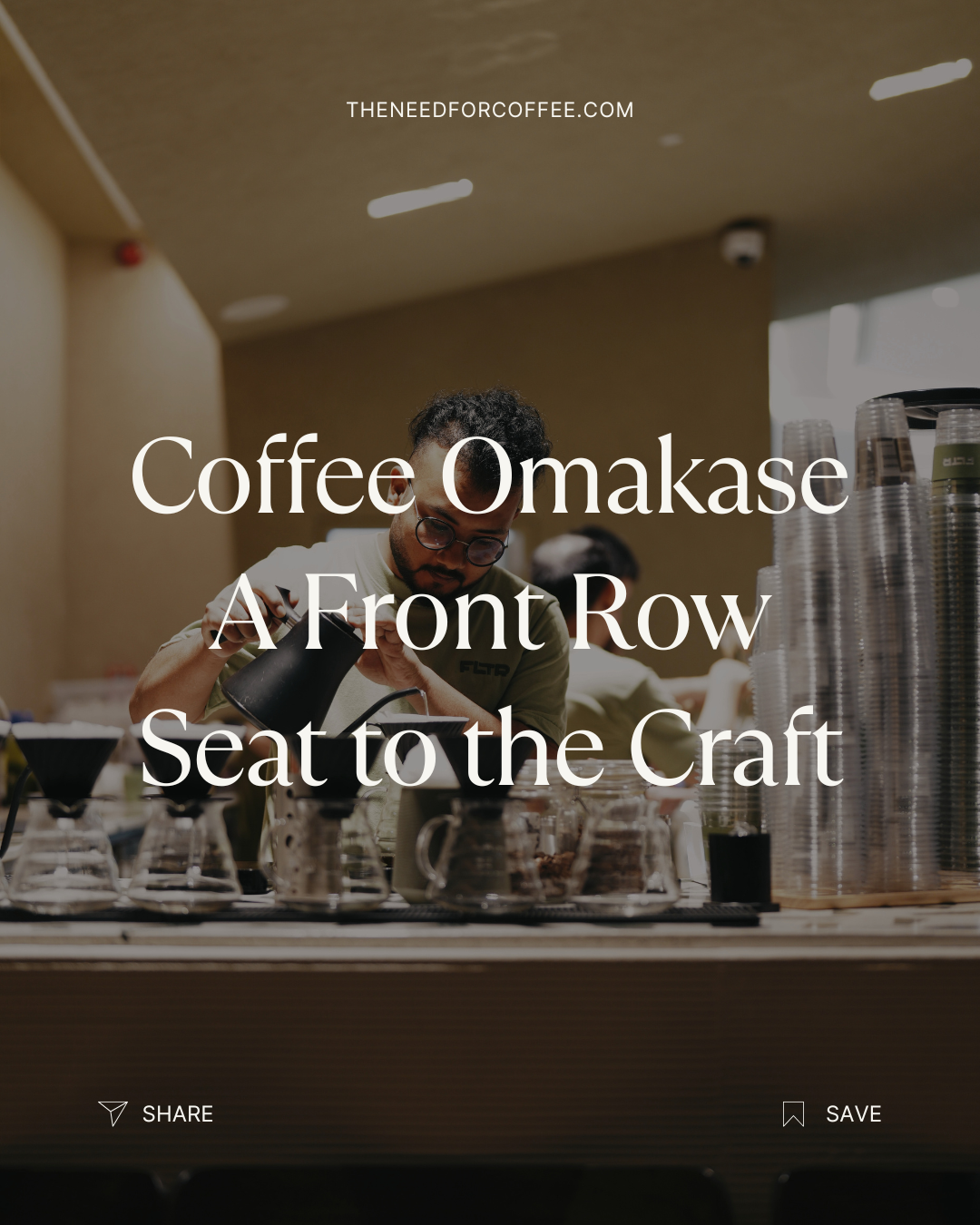
There is a moment during coffee competitions when the judges sit quietly at the table, watching every moment unfold in front of them.
They see the competitor weigh the coffee, grind it, explain the idea behind the recipe, and carefully prepare the drink. Every step reveals the thought, practice, and creativity behind the final cup.
When the coffee finally arrives, the judges are not just tasting a beverage. They are tasting months of work, experimentation, and personal expression.
Coffee omakase offers something surprisingly similar. A front-row seat to the craft of coffee.
What Is Omakase?
The word omakase comes from Japan. In Japanese restaurants, especially sushi bars, the phrase translates to “I leave it up to you.”
Instead of choosing dishes from a menu, guests trust the chef to select and prepare a sequence of courses for them. The chef carefully designs the experience, often observing how guests react to each dish and adjusting the flow of the meal. It is not just about the food. It is about trust, craftsmanship, and interaction between the chef and the guest.
Specialty coffee has begun adopting this same idea. In a coffee omakase, the guest leaves the decisions to the barista. Instead of ordering one drink, they are guided through a multi-course sensory journey where each coffee is selected and prepared as part of a curated experience.
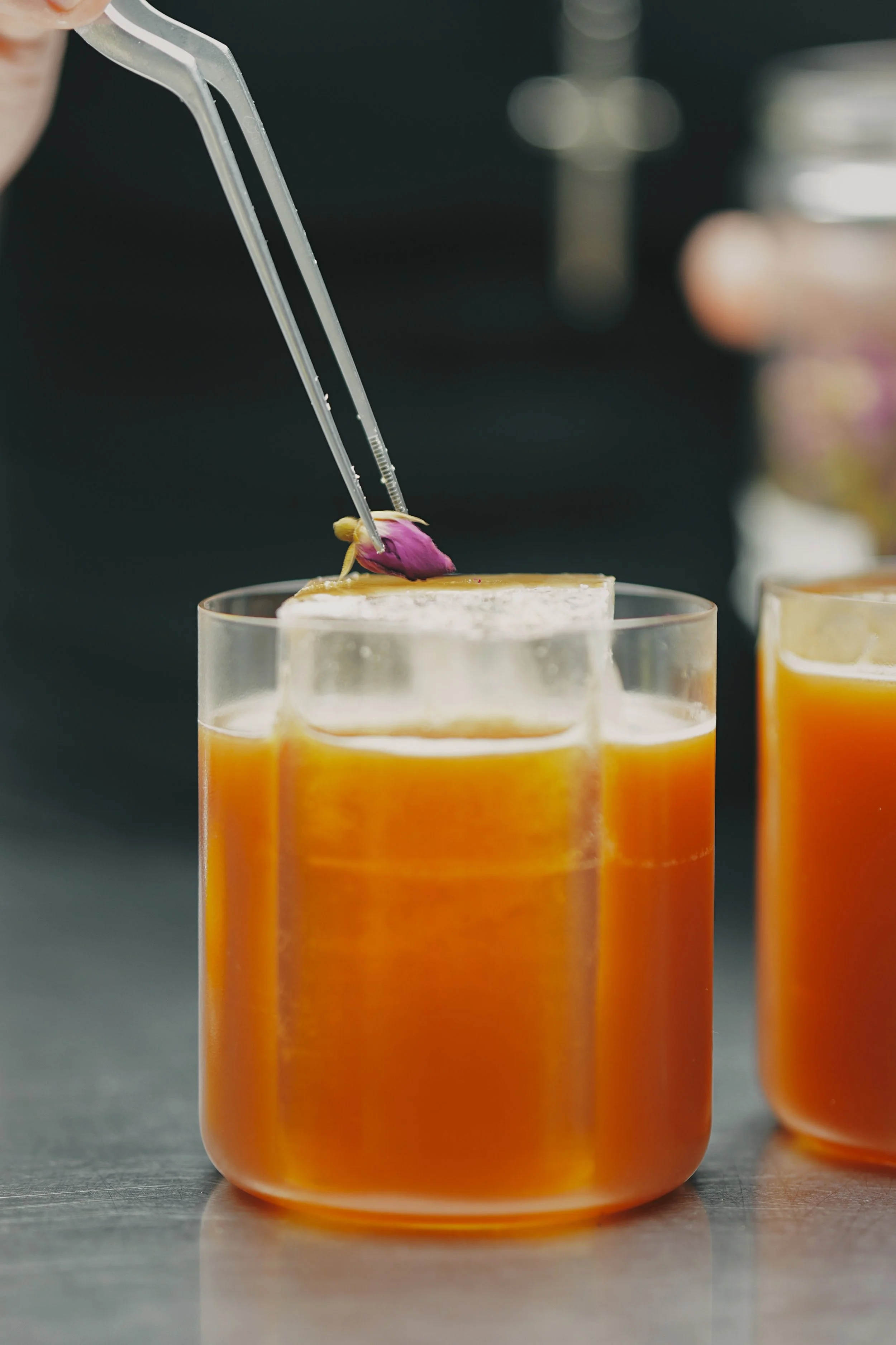
These sessions often feature different origins, brewing methods, and sometimes experimental drinks. The goal is not simply to drink coffee, but to explore the flavors, stories, and possibilities behind it.
The concept first gained popularity in Japan, where specialty coffee culture is highly refined. Some cafés in cities like Kyoto offer tasting menus with several courses, including expensive or even experimental coffees, coffee mocktails, and complimenting desserts paired with each drink.
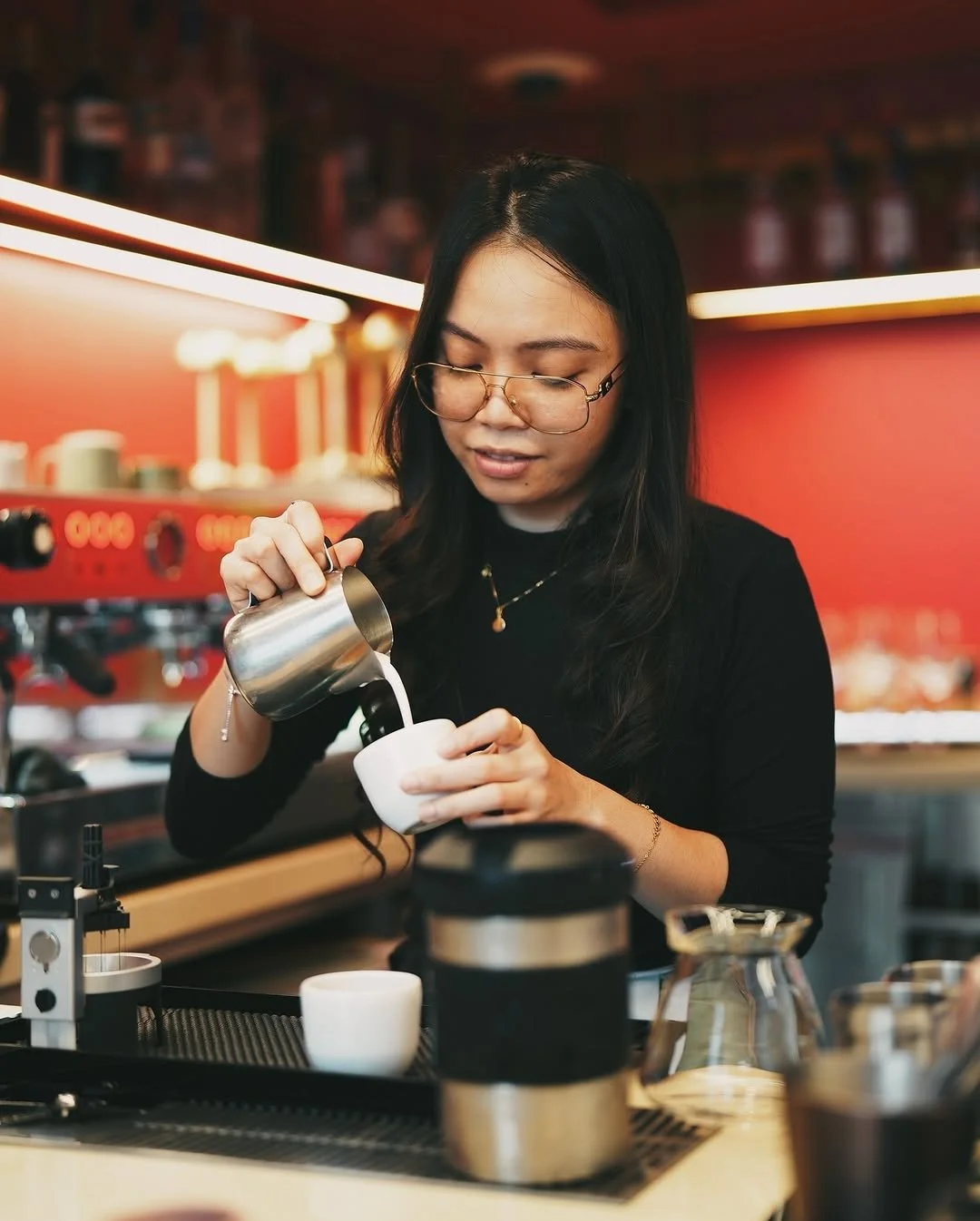
Just like a fine dining restaurant, the experience is guided by a dedicated barista who prepares each cup while sharing the story behind it. In many ways, omakase allows baristas to serve guests almost the way they would serve judges at a competition.
Why the Experience Feels Different
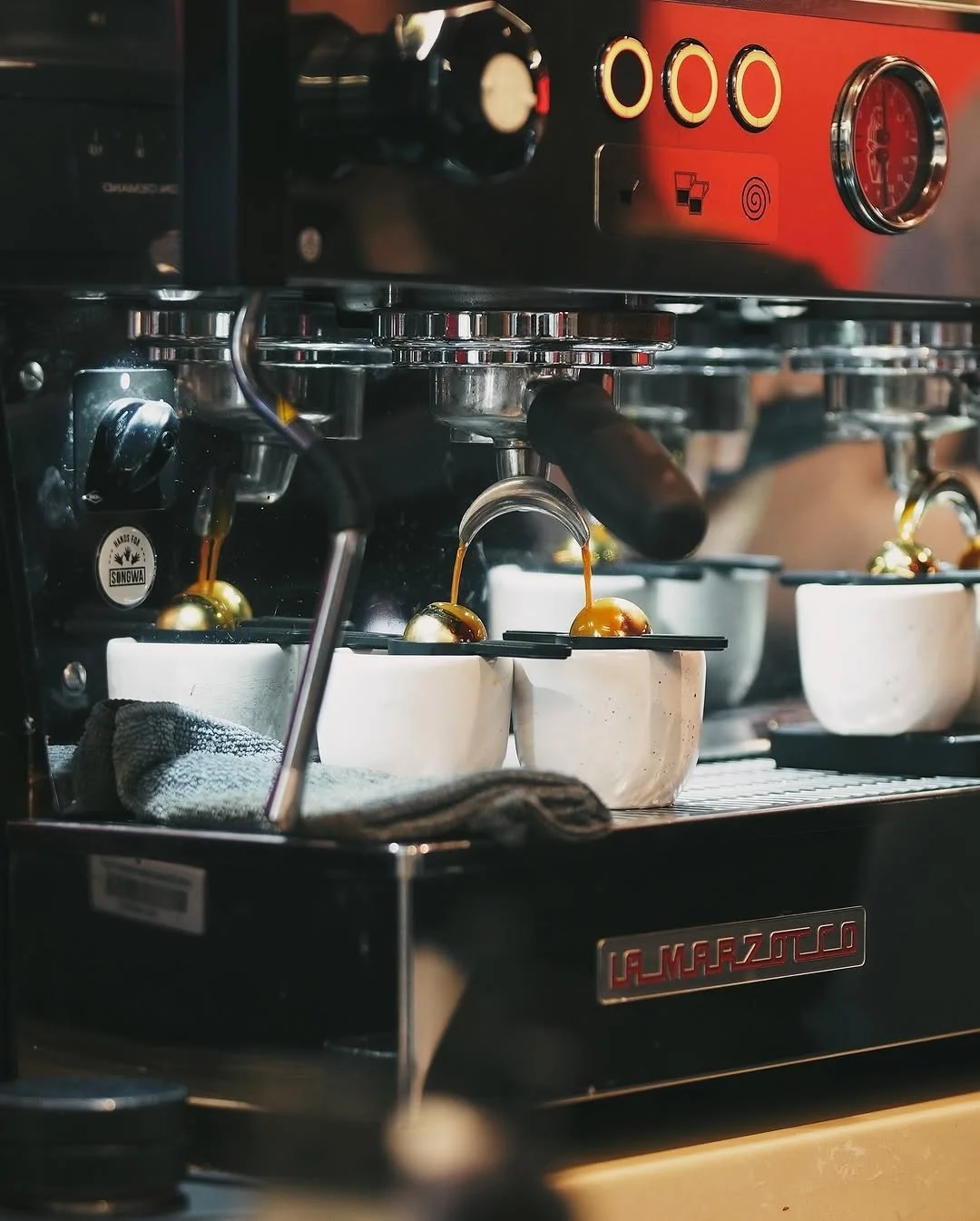
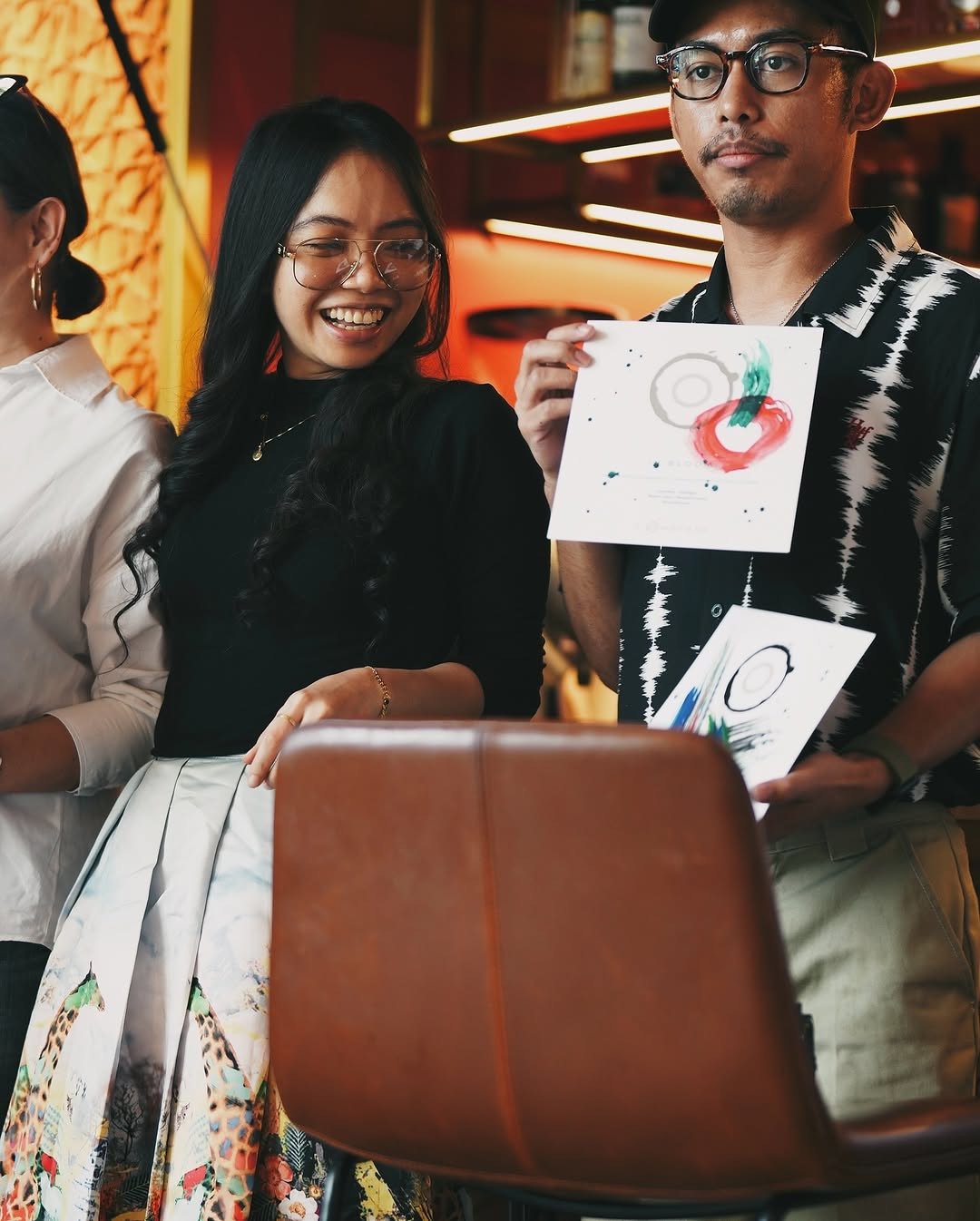
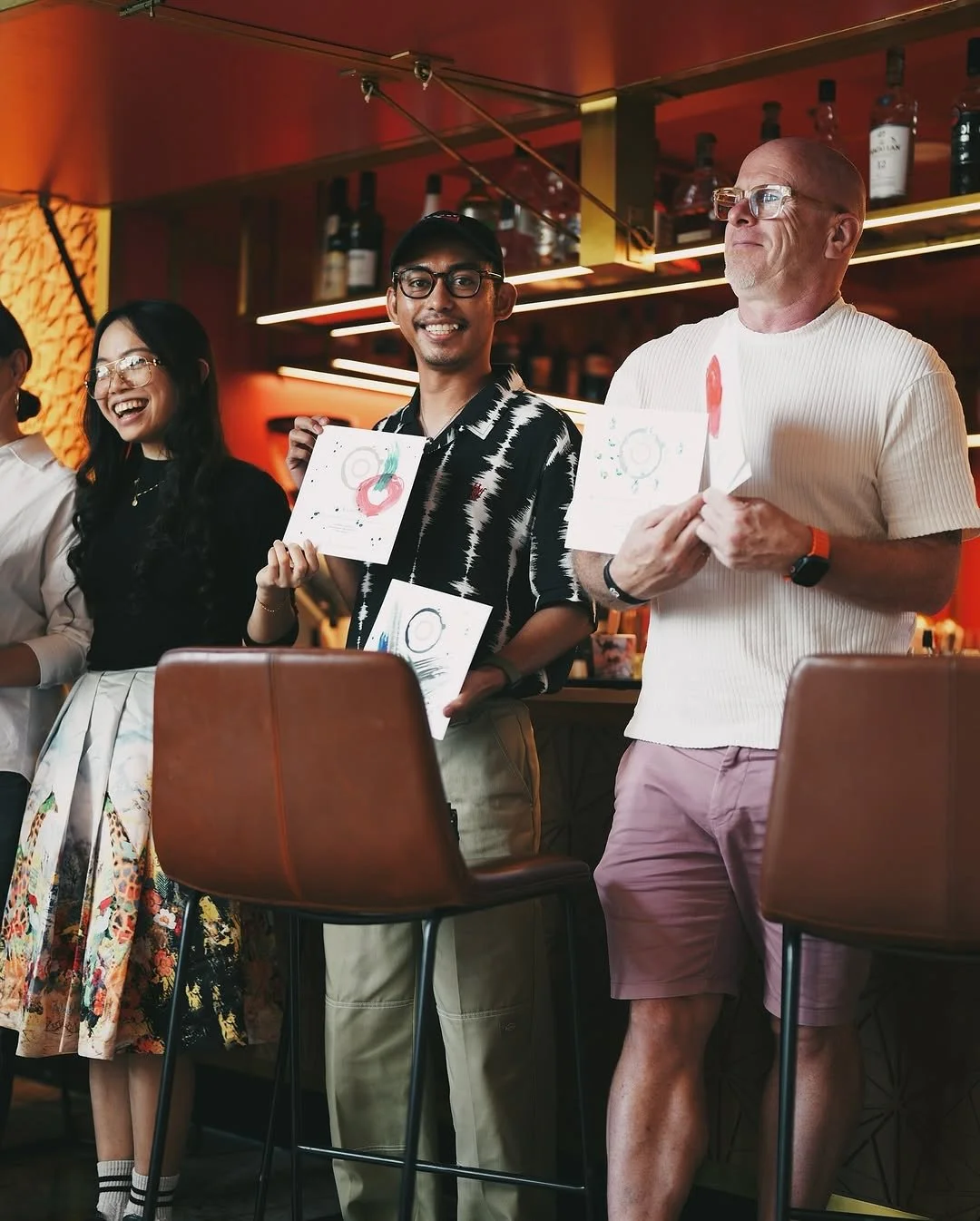
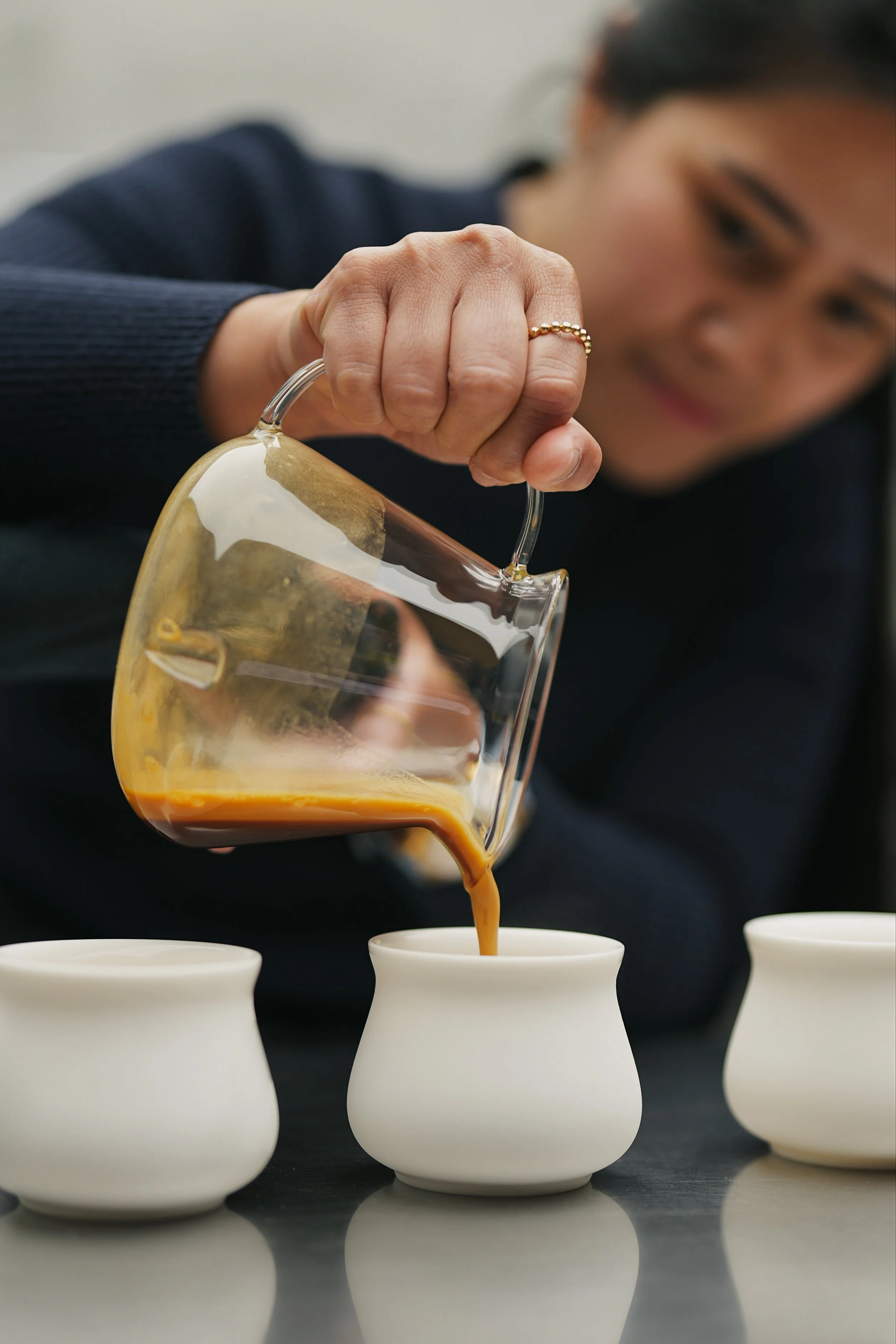
In an omakase setting, the guest becomes the center of the experience. Most sessions are designed with only a few seats allowing the barista to focus their attention on each person. Guests can watch the preparation up close, ask questions, and engage directly with the barista.
Because the barista chooses the drinks, the experience also requires trust. Often the coffees served are rare or not even listed on the menu. For cafés, offering omakase also requires time, training, and preparation. It is not something every coffee shop can do easily. But when it is done well, it creates a memorable experience that goes far beyond a normal café visit.
The First Experience
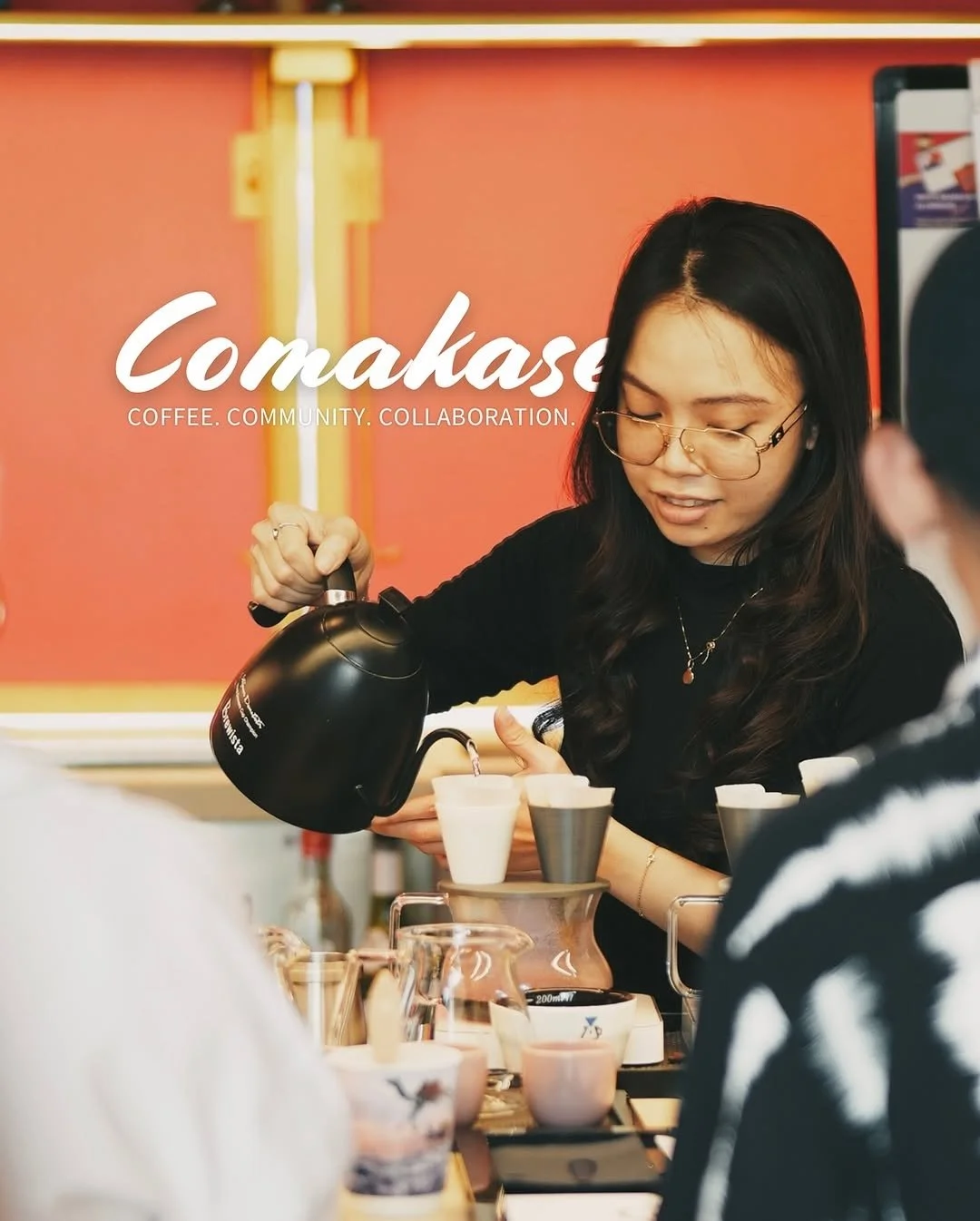
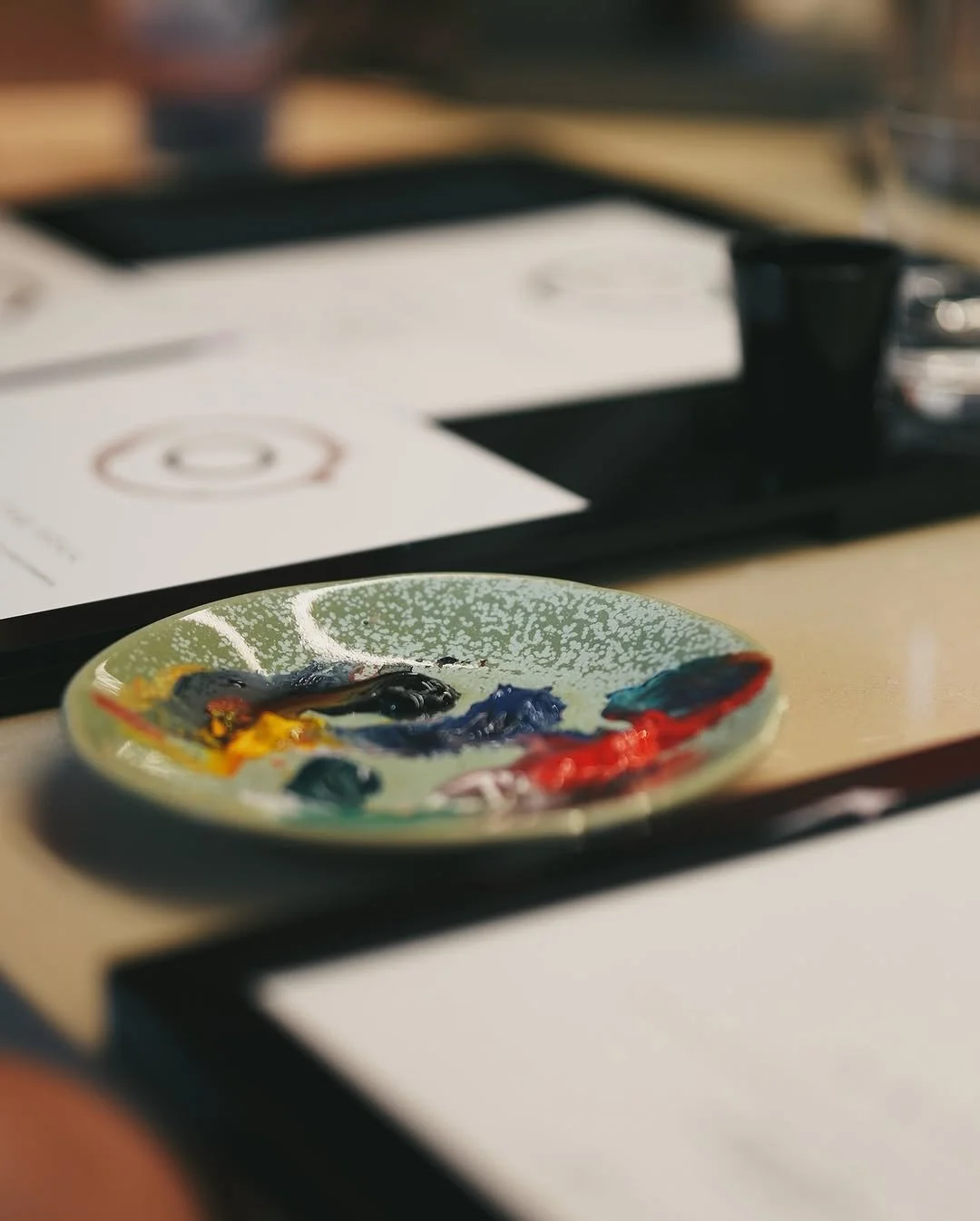
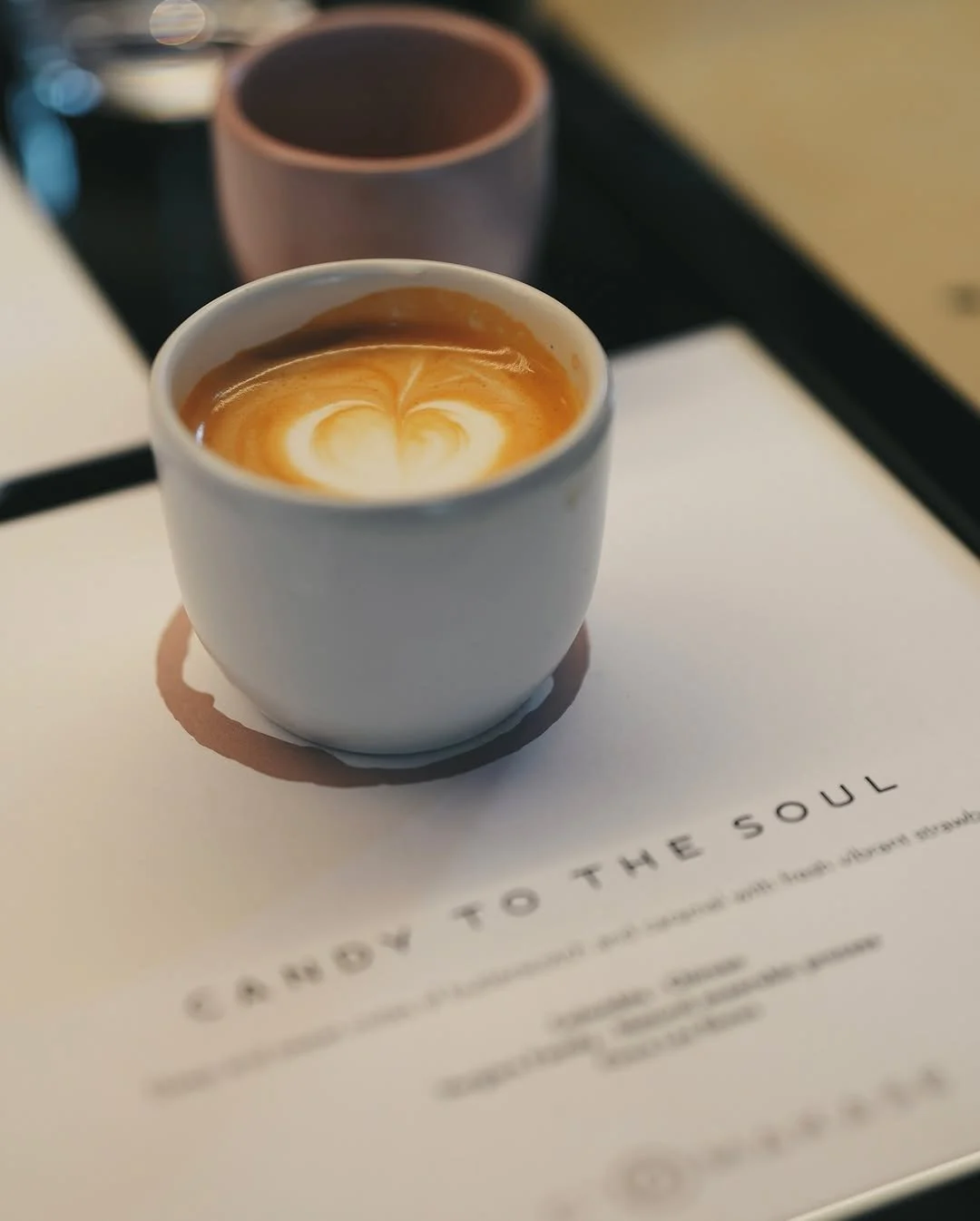
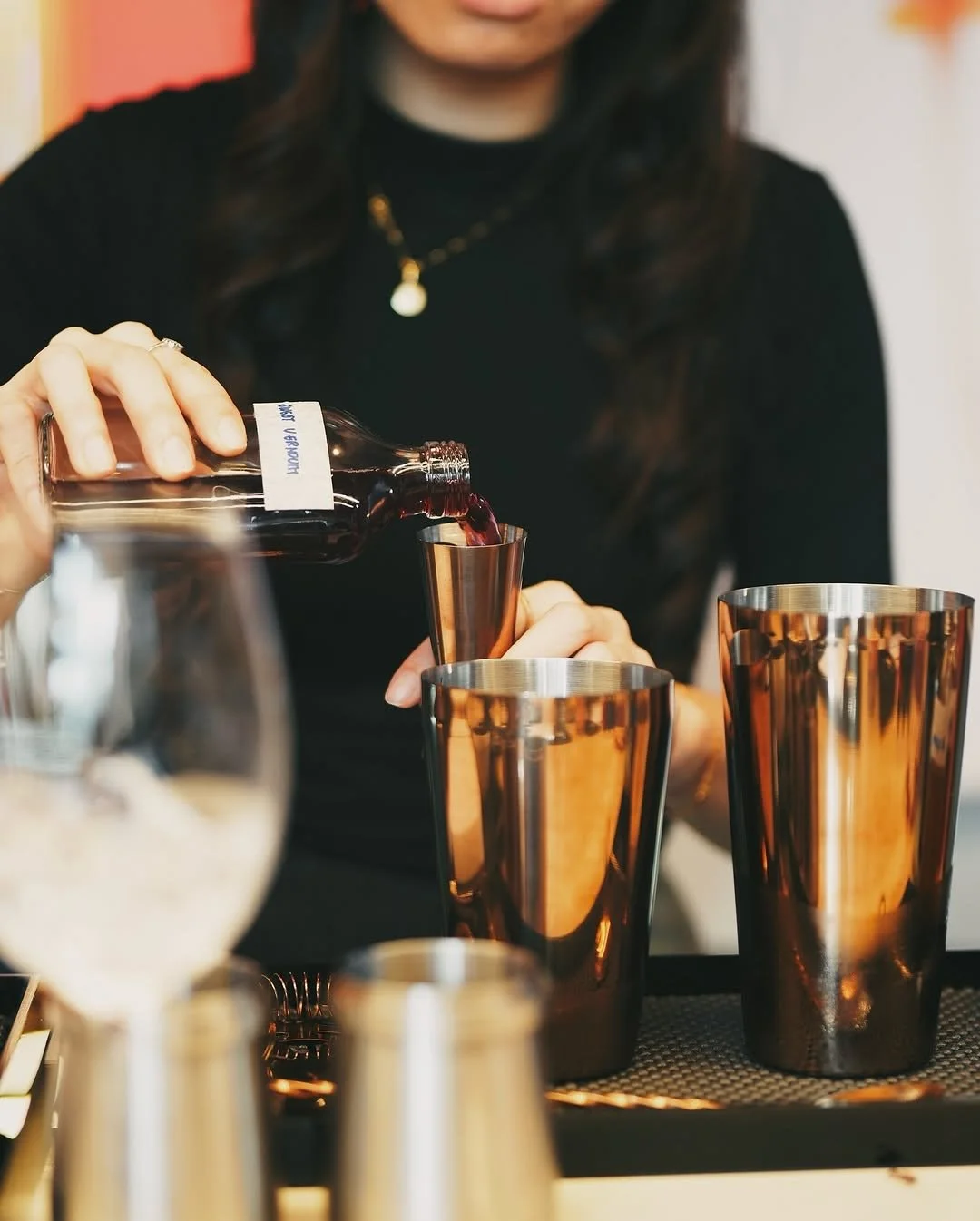
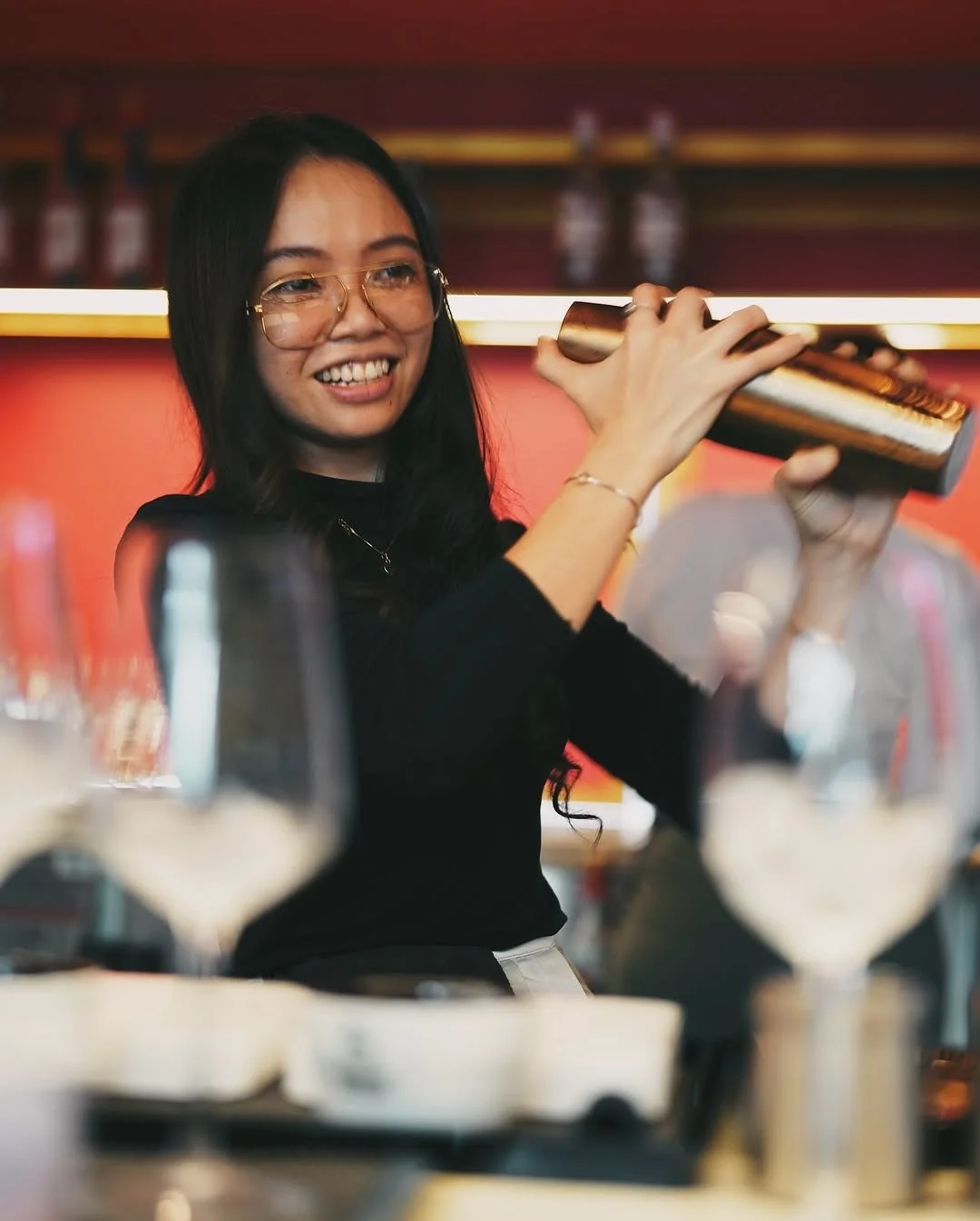
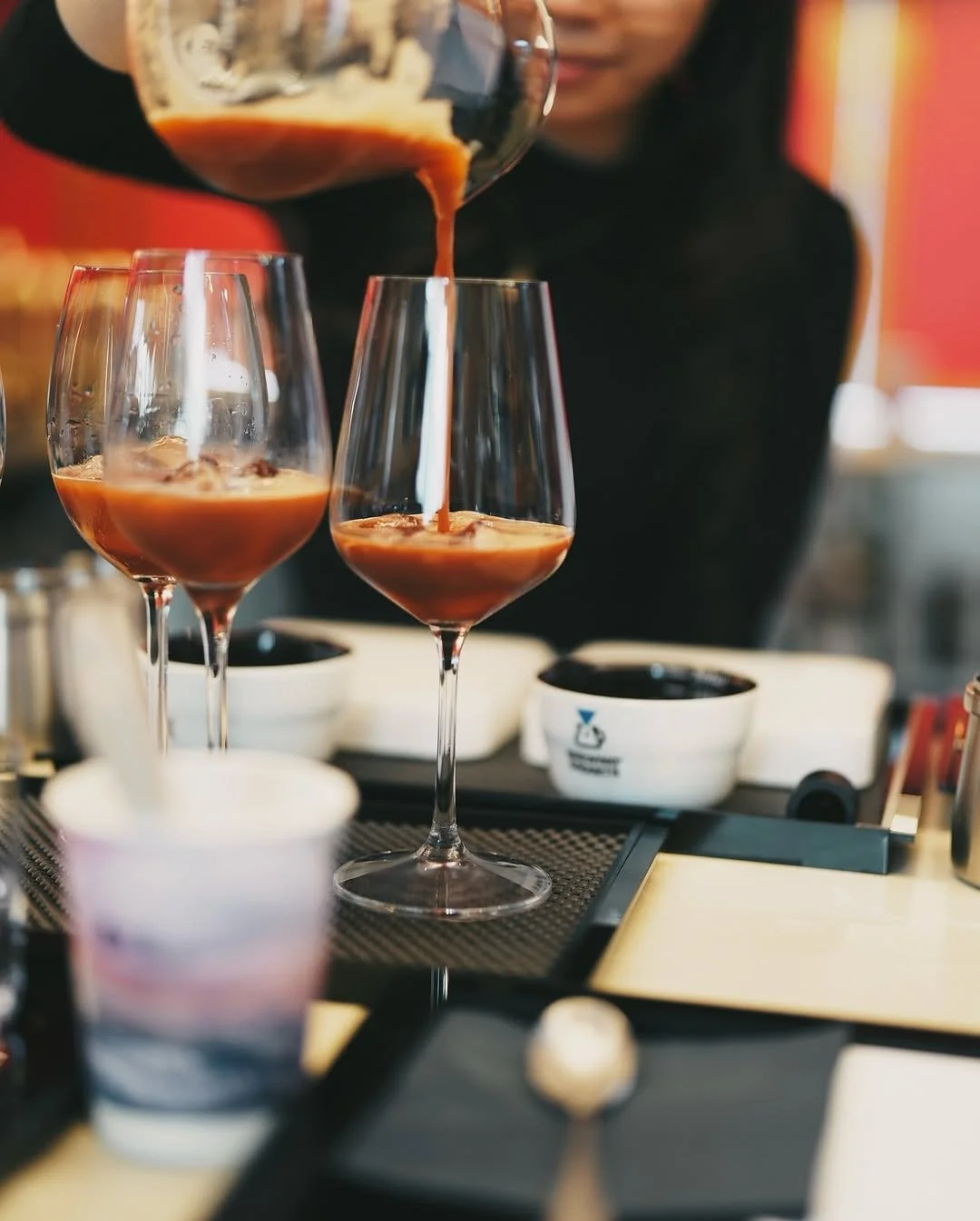
My first real introduction to coffee omakase happened in October 2024. The session was led by Mariam Erin in collaboration with Sandbox and they called it Comakase, a wordplay combining collaboration, community, and coffee.
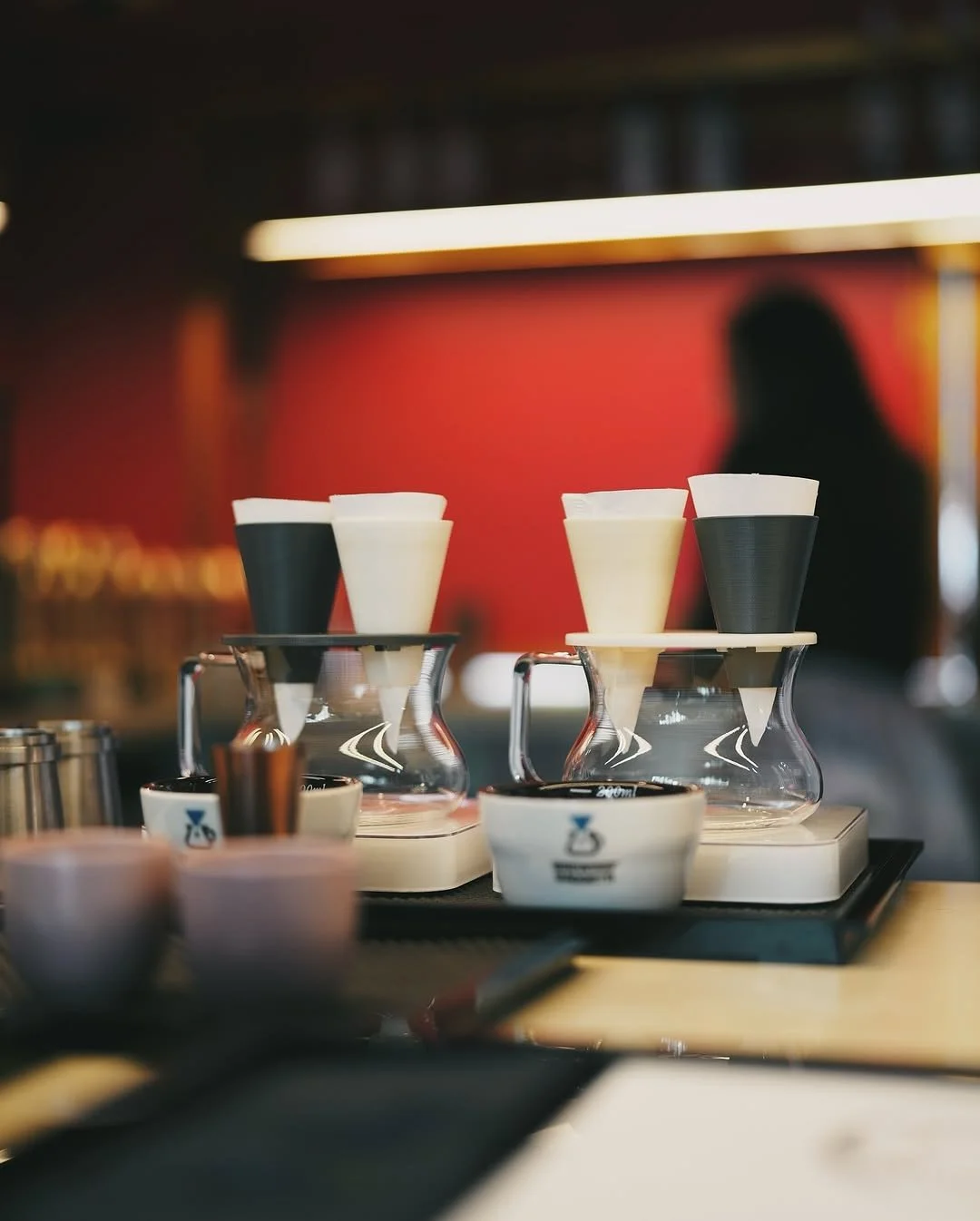
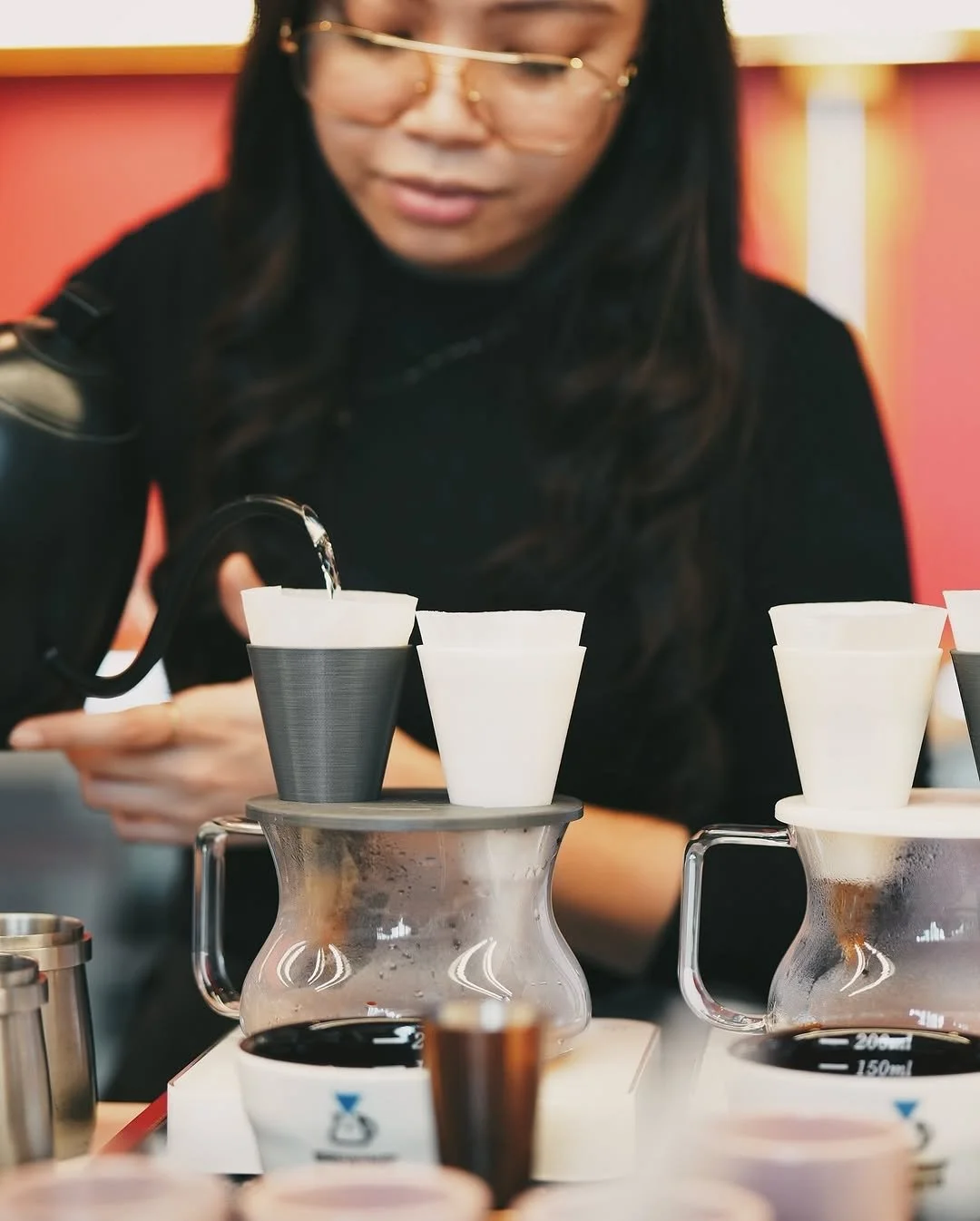
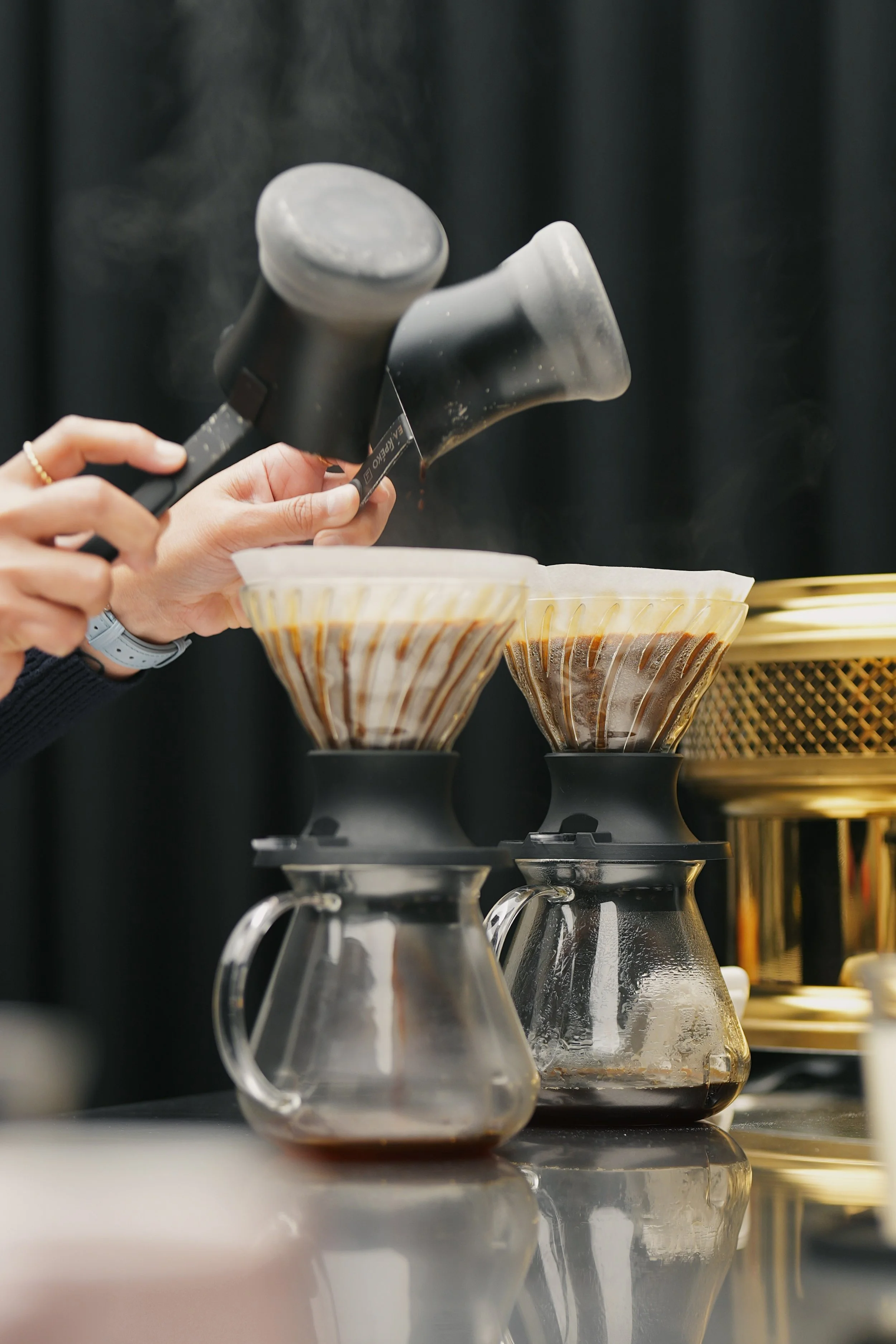
For the experience, Mariam used her Binocular Dripper to highlight two coffee varietals I had never heard of before. There were no Geishas involved, yet each brew revealed complex and layered flavors. One drink that stood out was a distilled milk beverage. It was creamy, naturally sweet, and full of flavor without tasting artificial. It was easily one of the most memorable milk drinks I have had.
The highlight of the evening was Mariam’s signature drink, “The Bittersweet Symphony.” The idea behind it was to make coffee more approachable while still offering depth and complexity. With every sip, the drink revealed new layers. It was the first time I realized how coffee could be presented like a curated tasting experience rather than a single beverage.
Coffee Meets Pastry
Soon after that, I attended another omakase session hosted by Grandmother Coffee Roastery in collaboration with Bageri Form. This experience combined coffee with pastries in a five-course tasting format.
The session began with a tasting of Grandmother’s best-selling single-origin coffees. It served as an introduction to the flavors before the omakase officially began. The featured coffee was Sudan Rume from their Exclusive Series. Each course paired coffee with a pastry designed to complement or enhance the flavors. The lineup included cold brew, V60, espresso, and milk-based drinks.
My personal favorite was a cold brew infused with Earl Grey and mango tea, paired with brie and hot honey on sourdough. The combination worked beautifully. The pastry enhanced the coffee, and the coffee brought out new flavors in the food. It was a reminder that coffee, much like wine, can become even more expressive when paired thoughtfully with food.
The Benchmark Experience
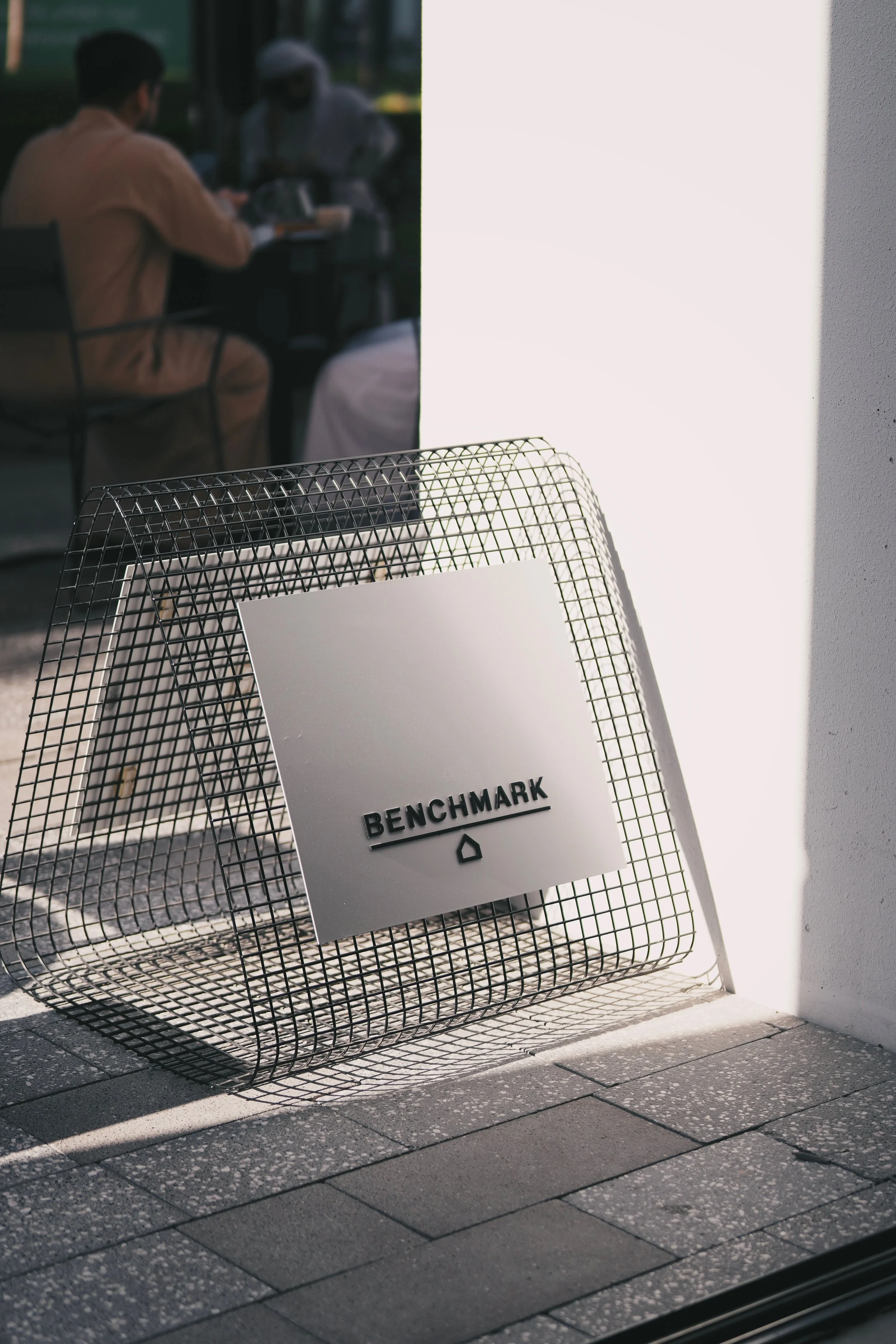
By 2026, the omakase concept was about to take a new turn in the UAE. This time, it was at Benchmark Coffee, a café that has developed a reputation for pushing the boundaries of specialty coffee.
Before visiting, there was already a buzz in the community. Many said the concept developed by the team behind Archers was unlike anything seen in the UAE before. After experiencing it myself, I understood why. What unfolded in a single evening reshaped my understanding of what a coffee experience could be. Benchmark does not simply serve coffee. It builds moments around it.
From the first drink to the last, every element felt intentional: the pacing, the storytelling, and the way each beverage revealed something new about flavor and craft.
A Sensory Journey with Hydrosols
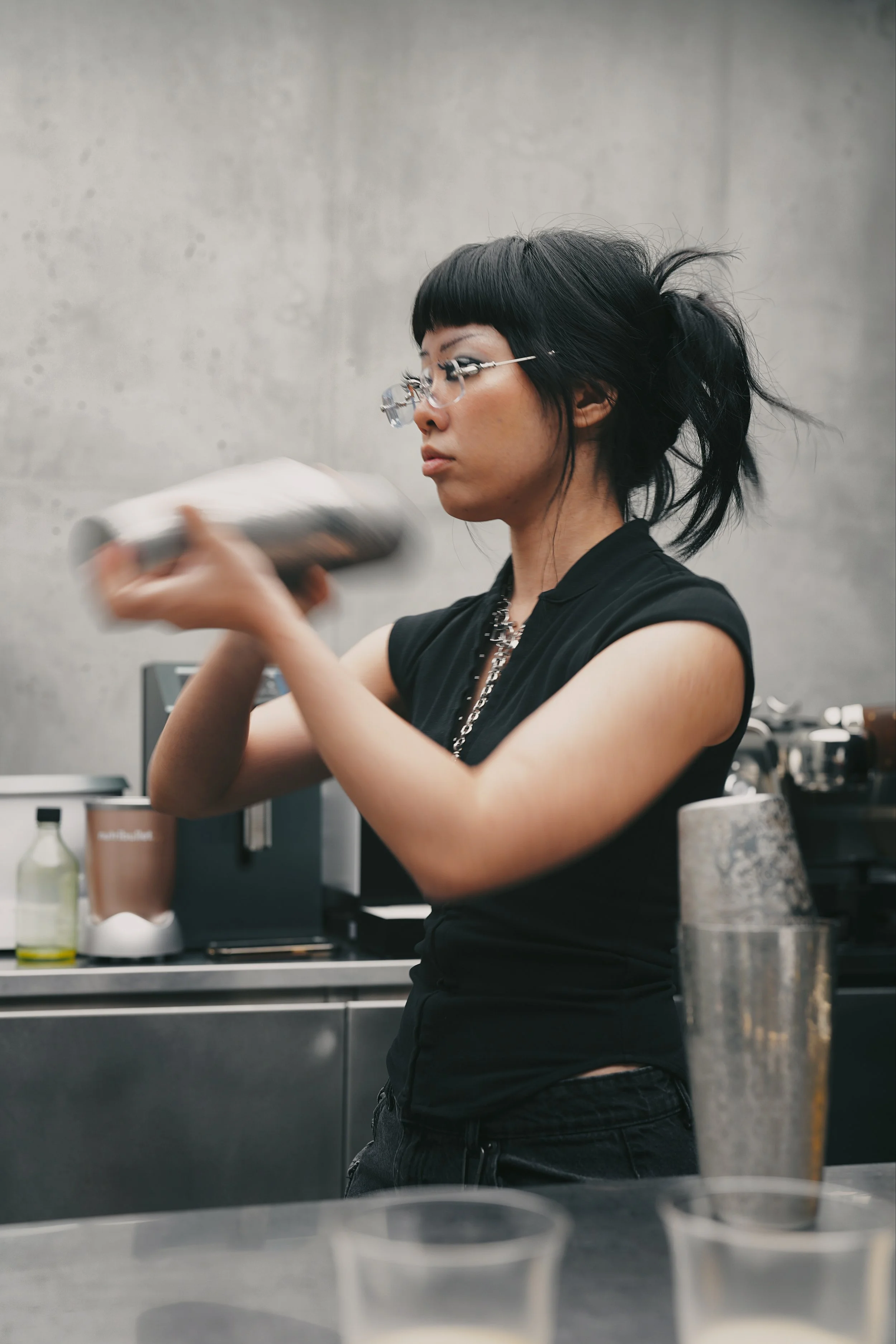
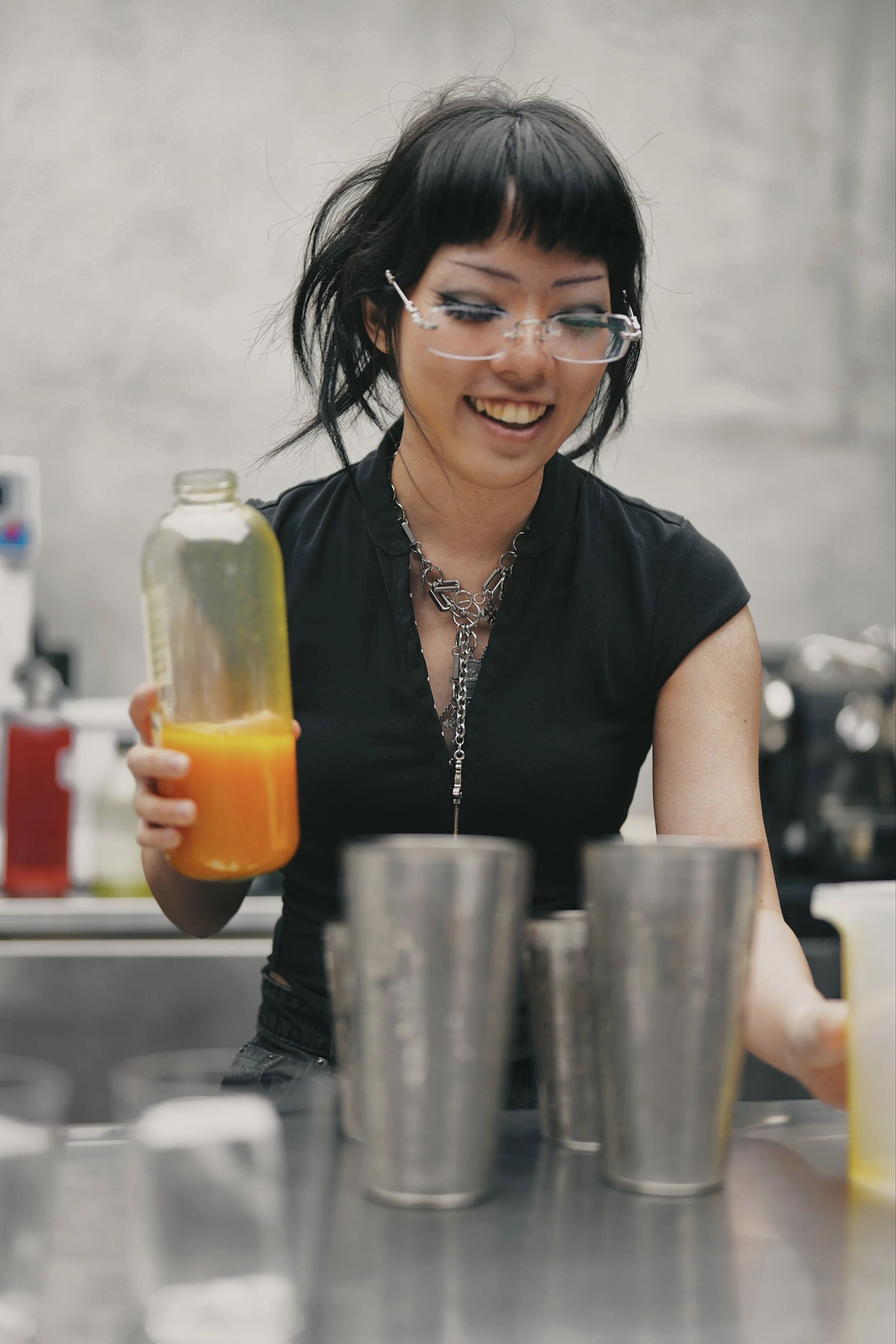
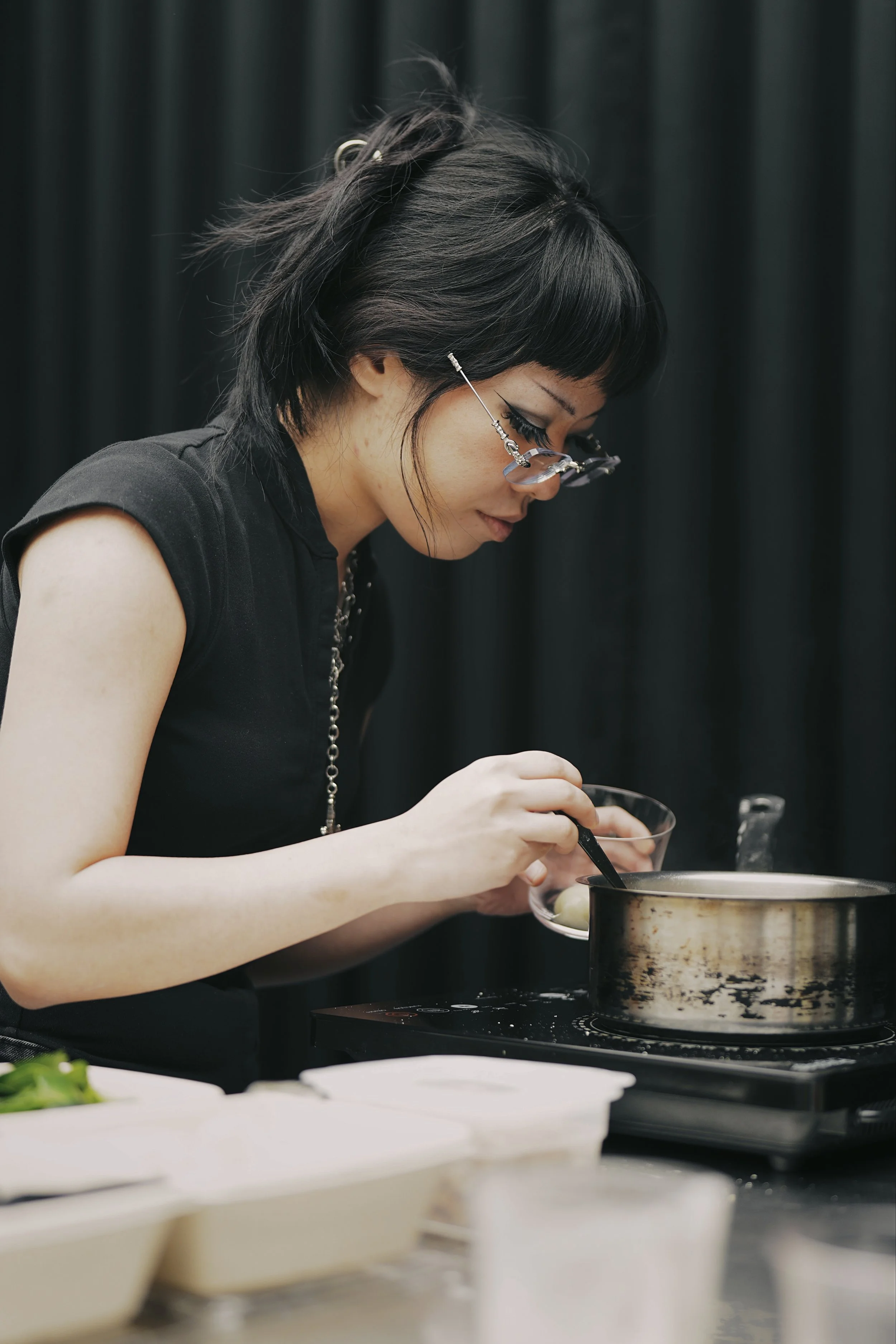
During my second visit to the omakase room at Benchmark, just before World of Coffee Dubai, the session was presented by Tracia.
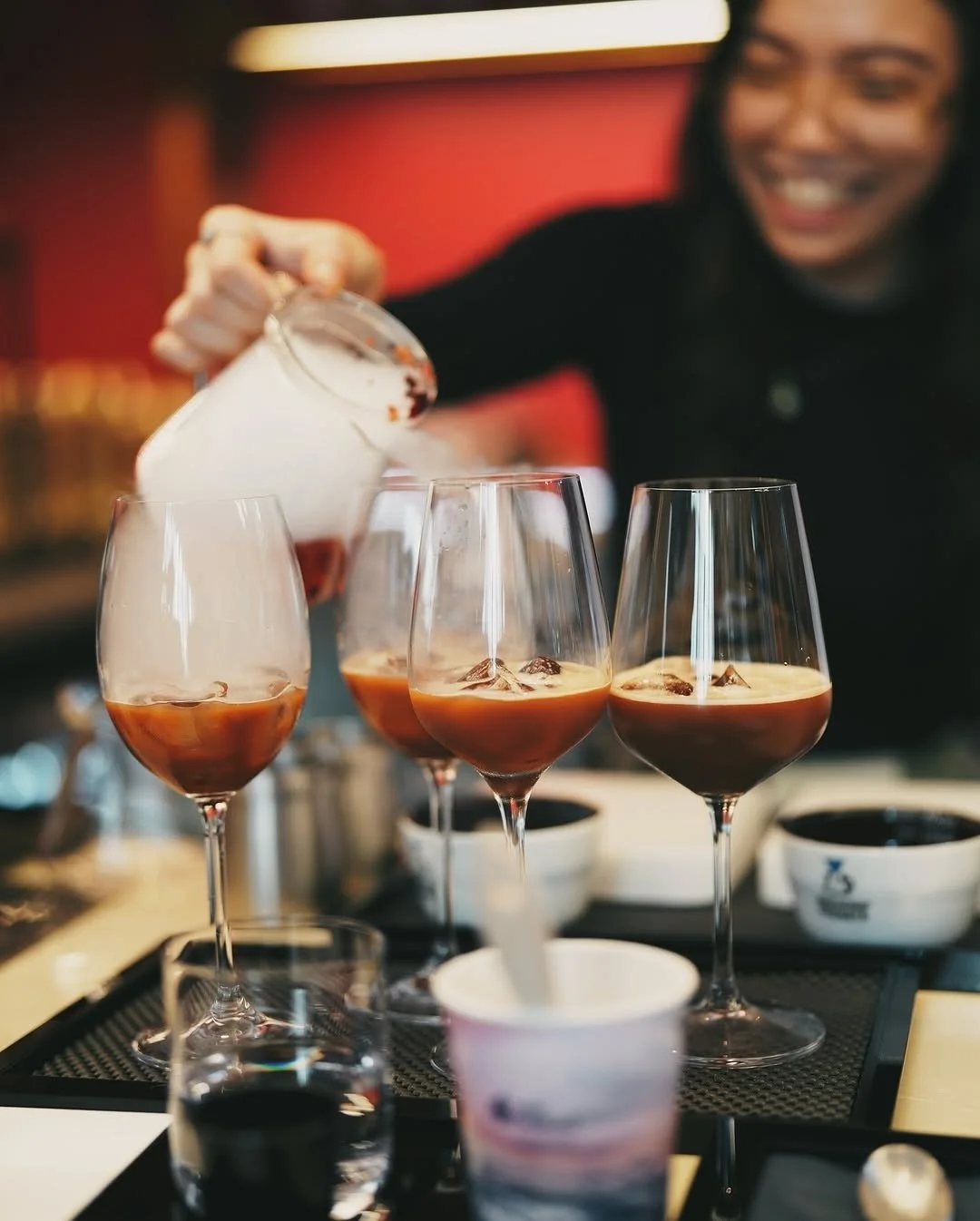
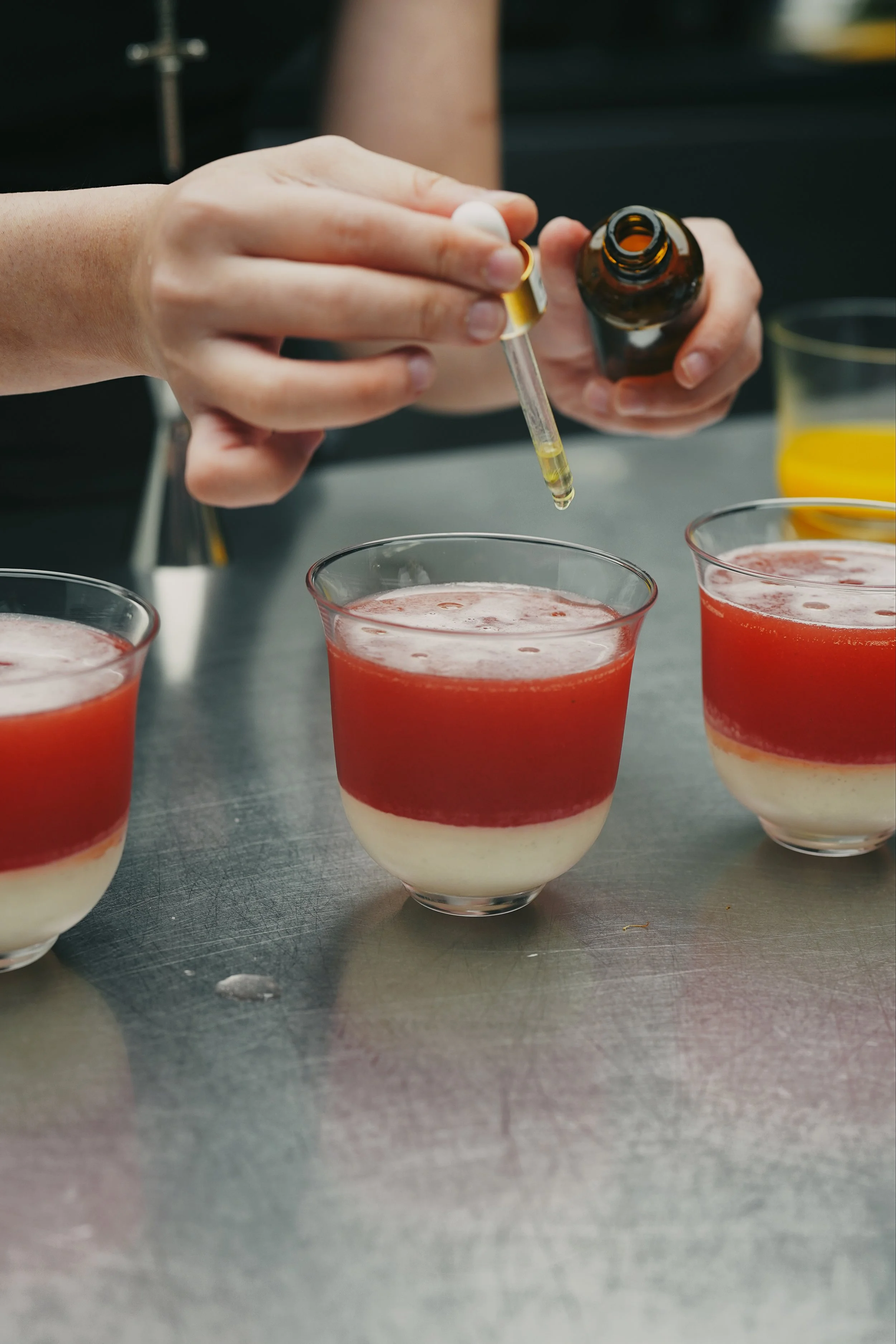
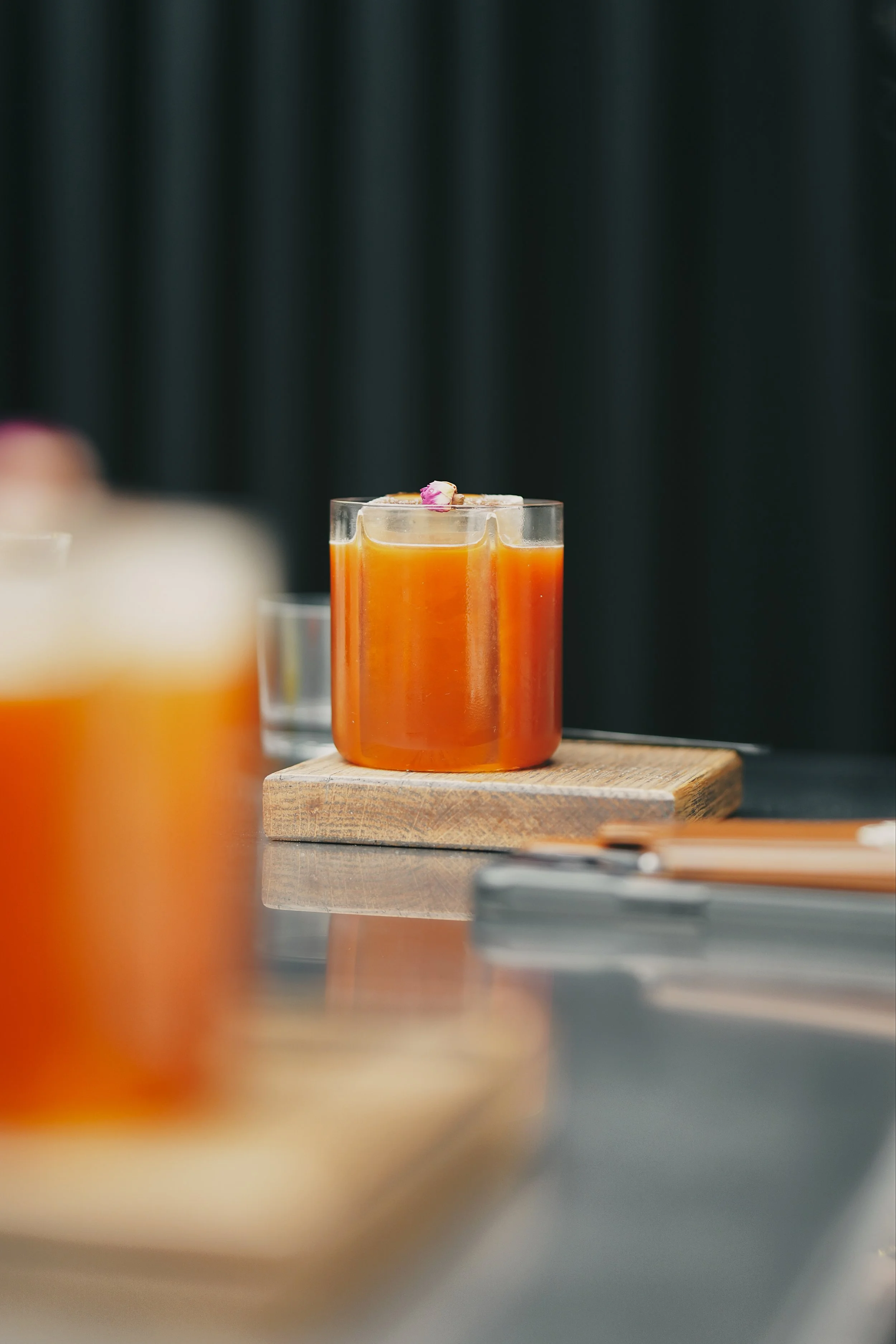
Her drinks revolve around an ingredient many people including me have never heard of: hydrosols. The idea is simple. Water is gently heated with aromatic plants such as roses, lavender, or mint. The steam is captured and condensed back into liquid, carrying the delicate aroma and essence of the plant.
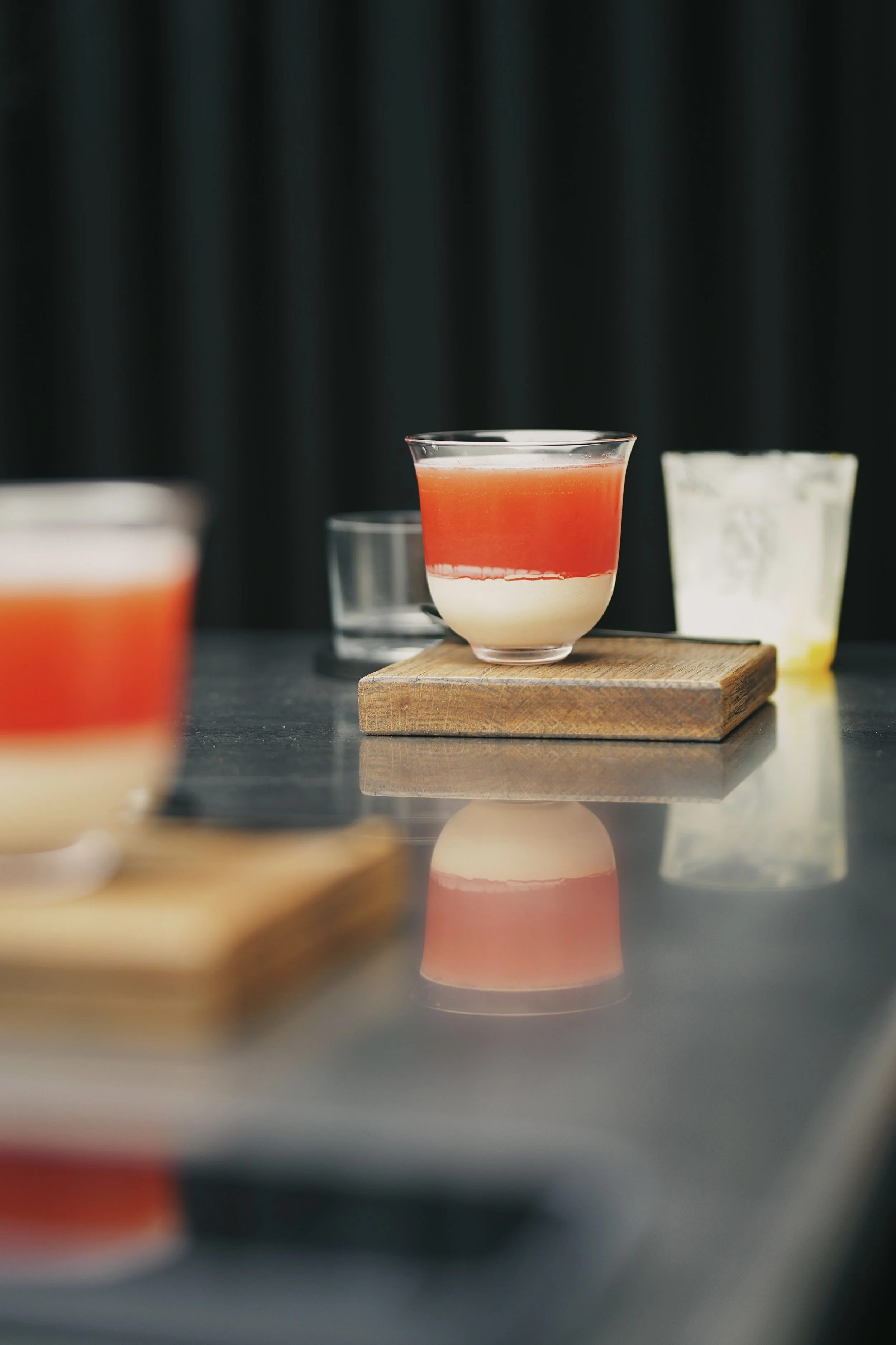
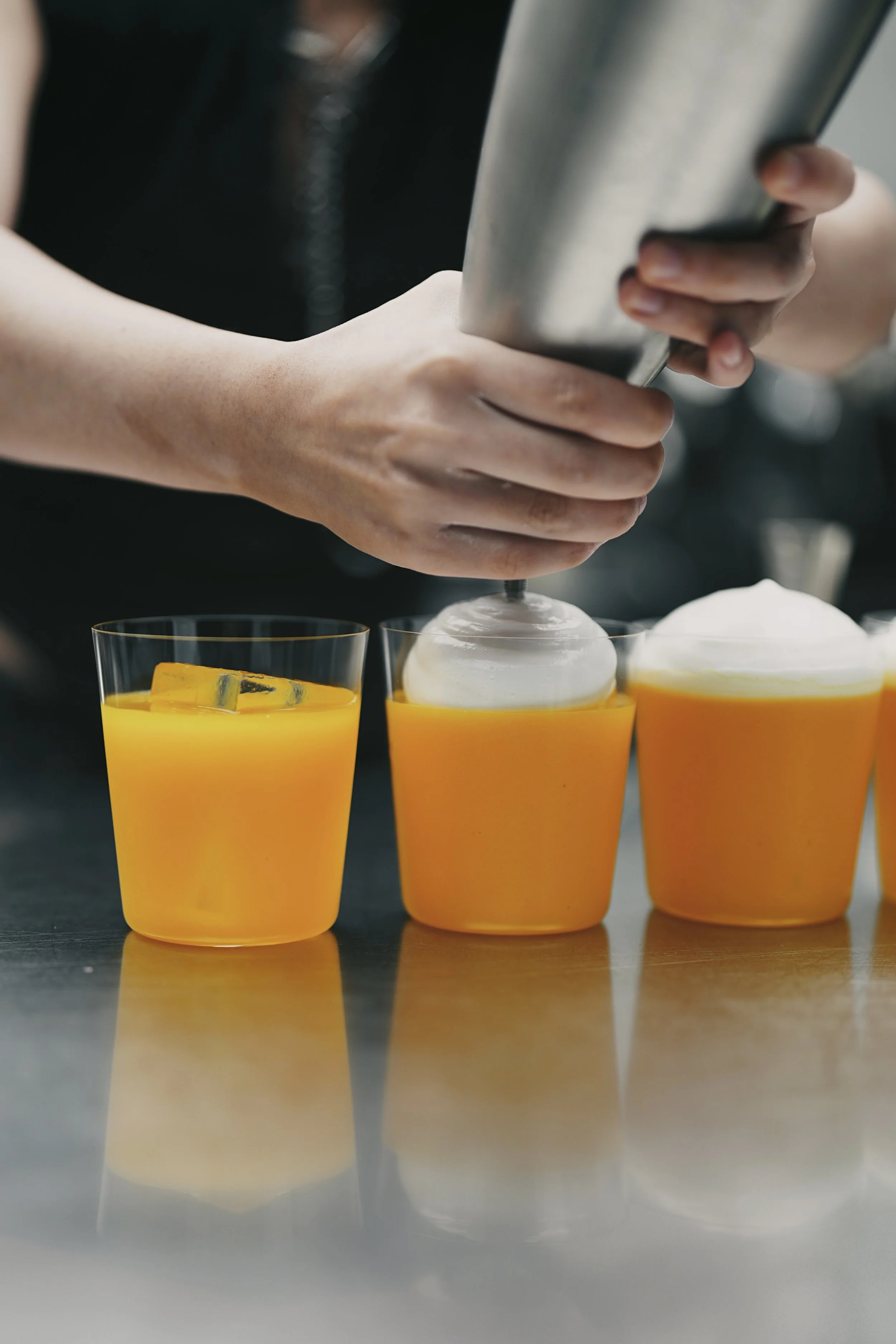
The result is a fragrant liquid that becomes the base of a drink and the technique Tracia uses to build her beverages. Each drink approached flavor from a different angle. Her inspiration came from seasonal ingredients and elements from her culinary background.
There was always a sense of familiarity in the flavors, even when the ingredients were new. The finale of the session felt deeply personal, a dessert inspired by something her mother used to make while she was growing up. Moments like this reveal the beauty of craft.
You begin to imagine how many experiments, ideas, and combinations it might have taken to arrive at that final cup. And that is what Benchmark does best. It brings the craft right in front of you and leaves you curious for more.
A Front Row Seat to Coffee
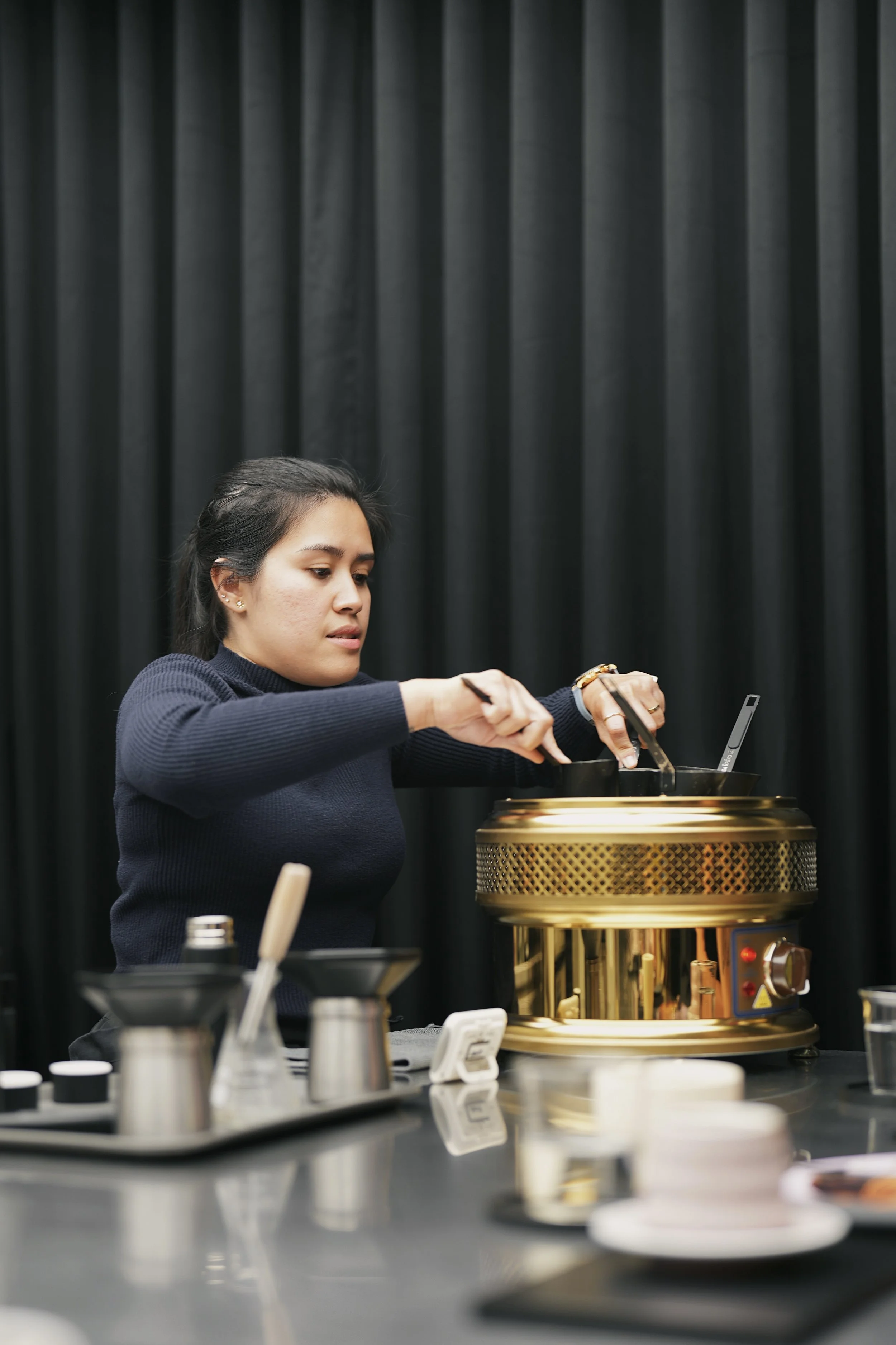
I’ve always wondered what it must feel like to sit at the judges’ table during a coffee competition. From that seat, you see every movement, every explanation, and every carefully practiced step. But what you are really witnessing is not just a performance. It is the result of months of work: ideas developed late at night, countless practice runs, and small failures that slowly turn into refinements. And when the drink is finally served, you do not just watch the effort. You taste it.
Many might feel differently but I think every competitor who has stepped on that stage has already won. Reaching that point means they’ve taken something deeply personal and decided to share it with the world. Their coffee, their technique, their recipe, their philosophy, and ultimately, themselves.
Yet competitions inevitably ask for one name to be called at the end. One person who managed to push through the pressure, refine their idea further, and deliver their vision just a little more clearly than the rest.
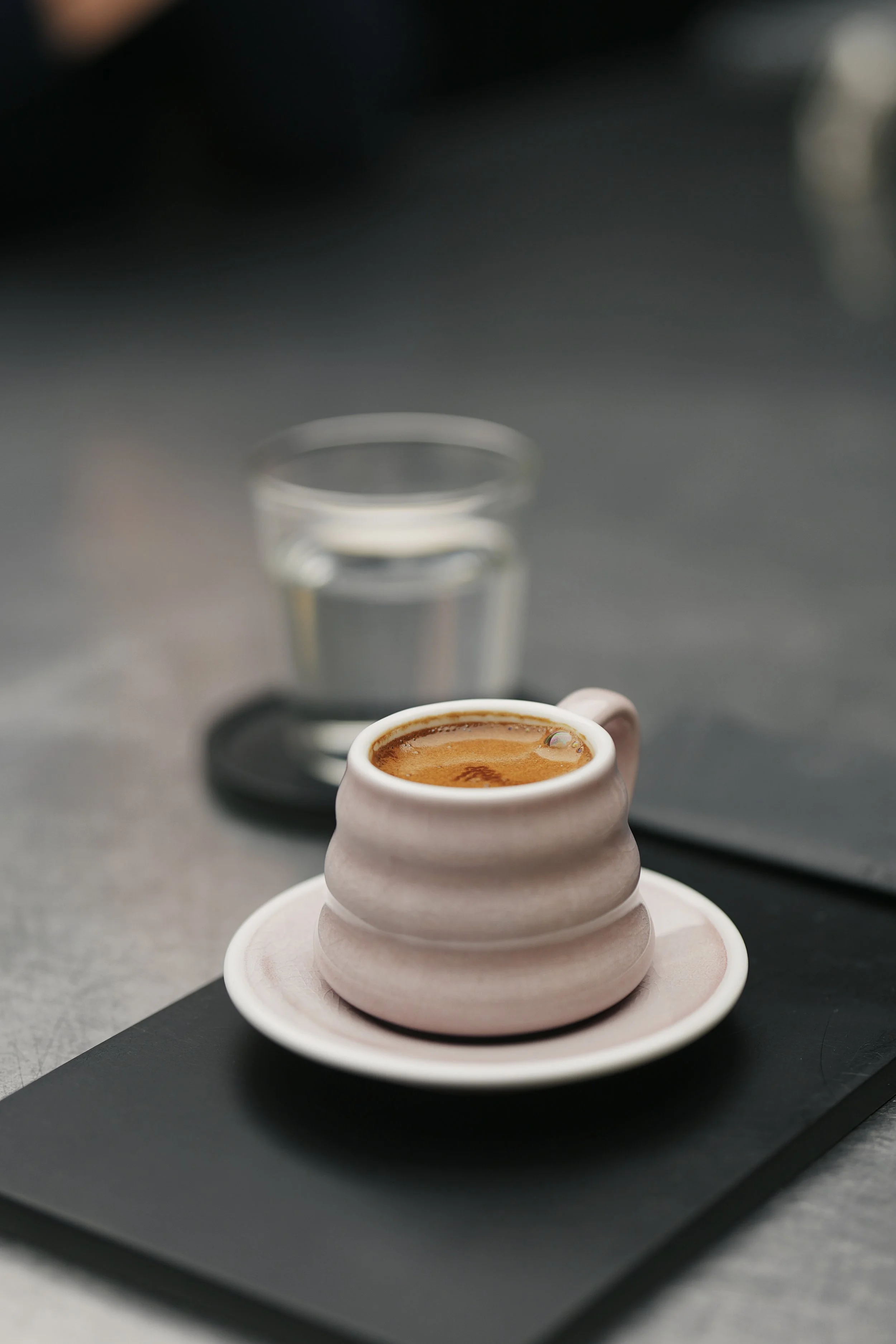
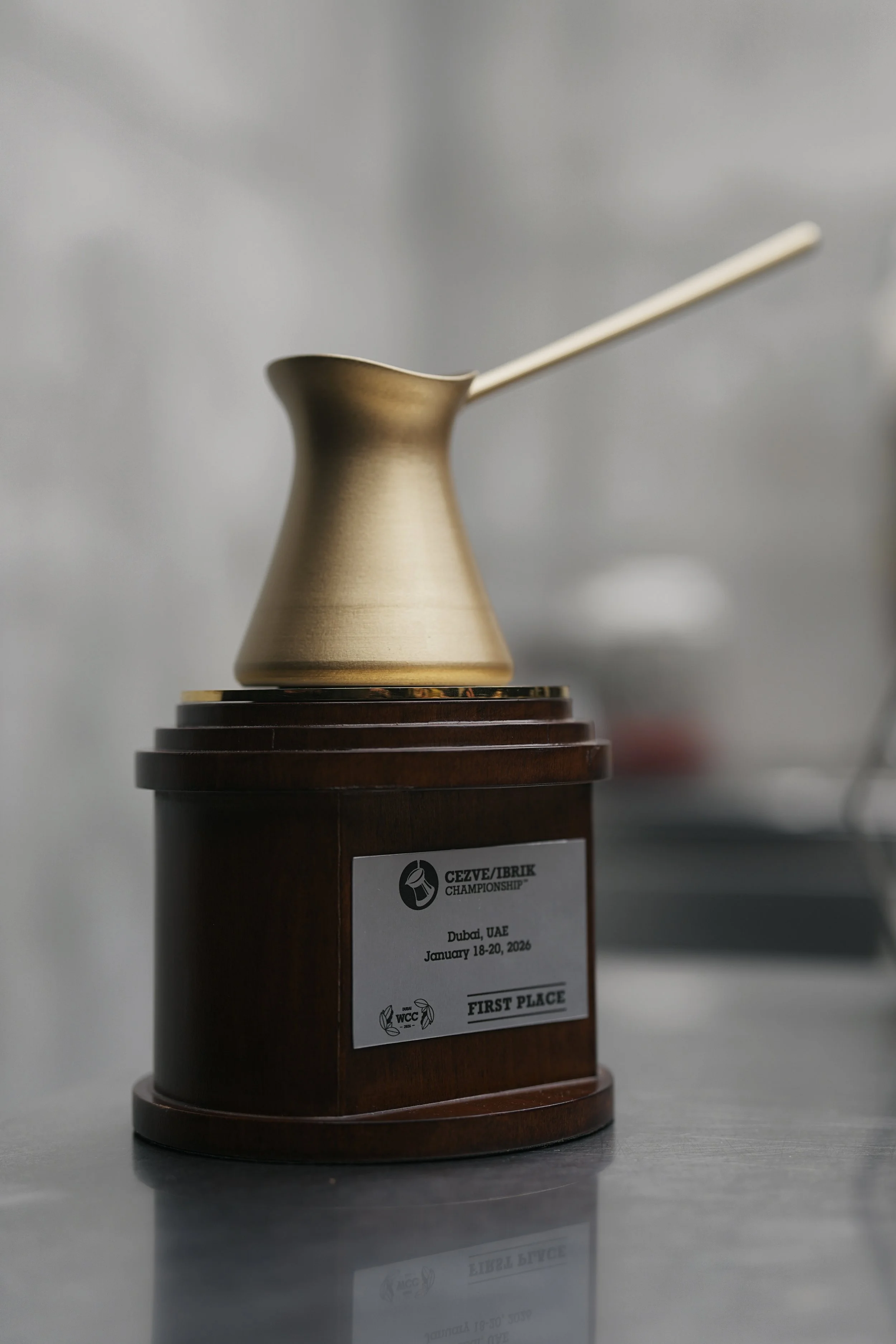
Jane Espante admits that it wasn’t easy and was also quick to point out that it was never a solo effort. Winning the 2026 World Cezve/Ibrik Championship would not have been possible without the people behind her, her team, her coach, and the reason she keeps pursuing this craft in the first place.
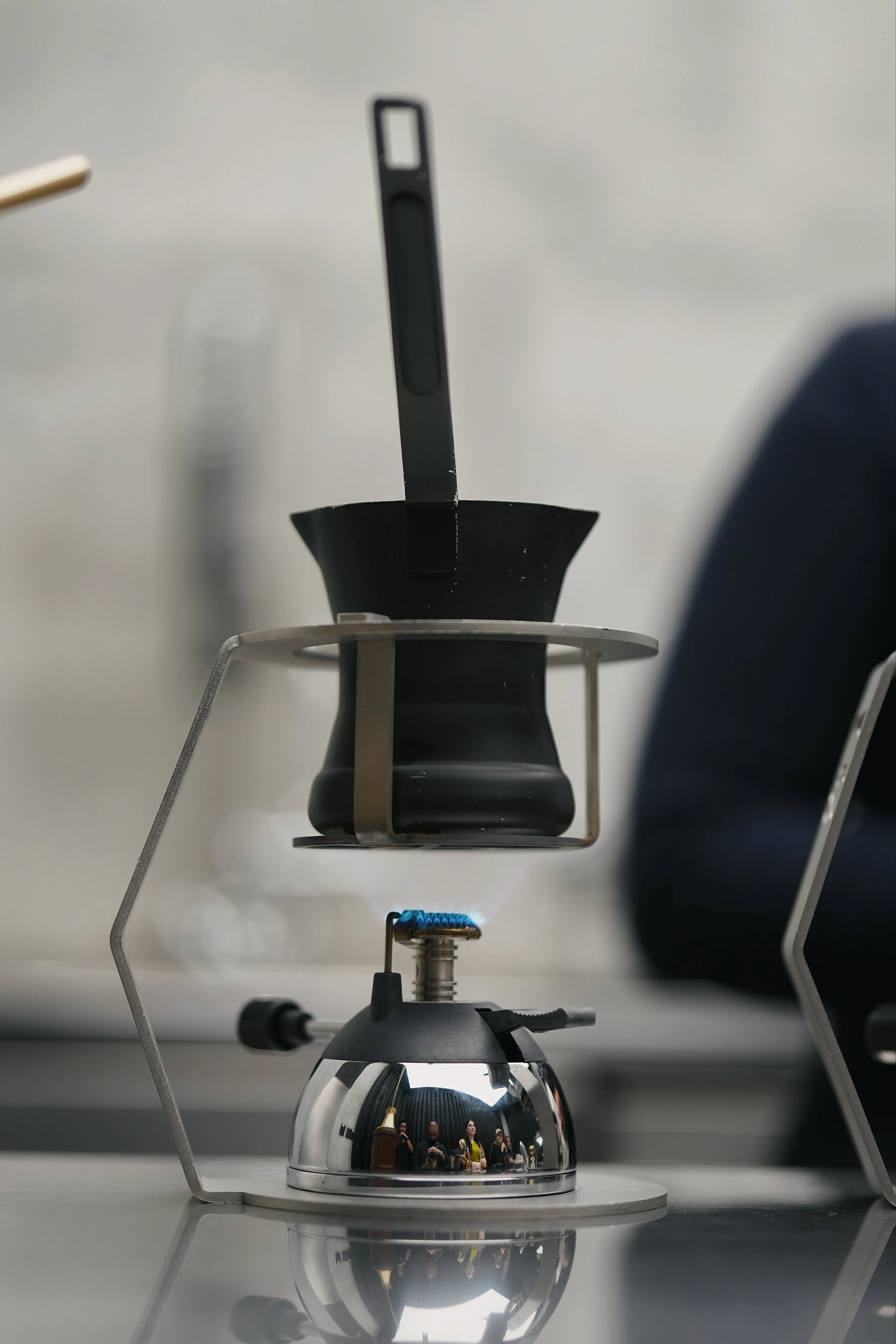
What stands out most about her journey is not just the technicality or the creativity in the cup, but the sincerity behind it. The genuine pursuit of doing something better, something more expressive. Her routine began with the art of cezve preparation, built around a blend of carbonic macerated Colombian Geisha from Mikava Coffee and naturally processed Panama Geisha from Lerida Coffee Estate.
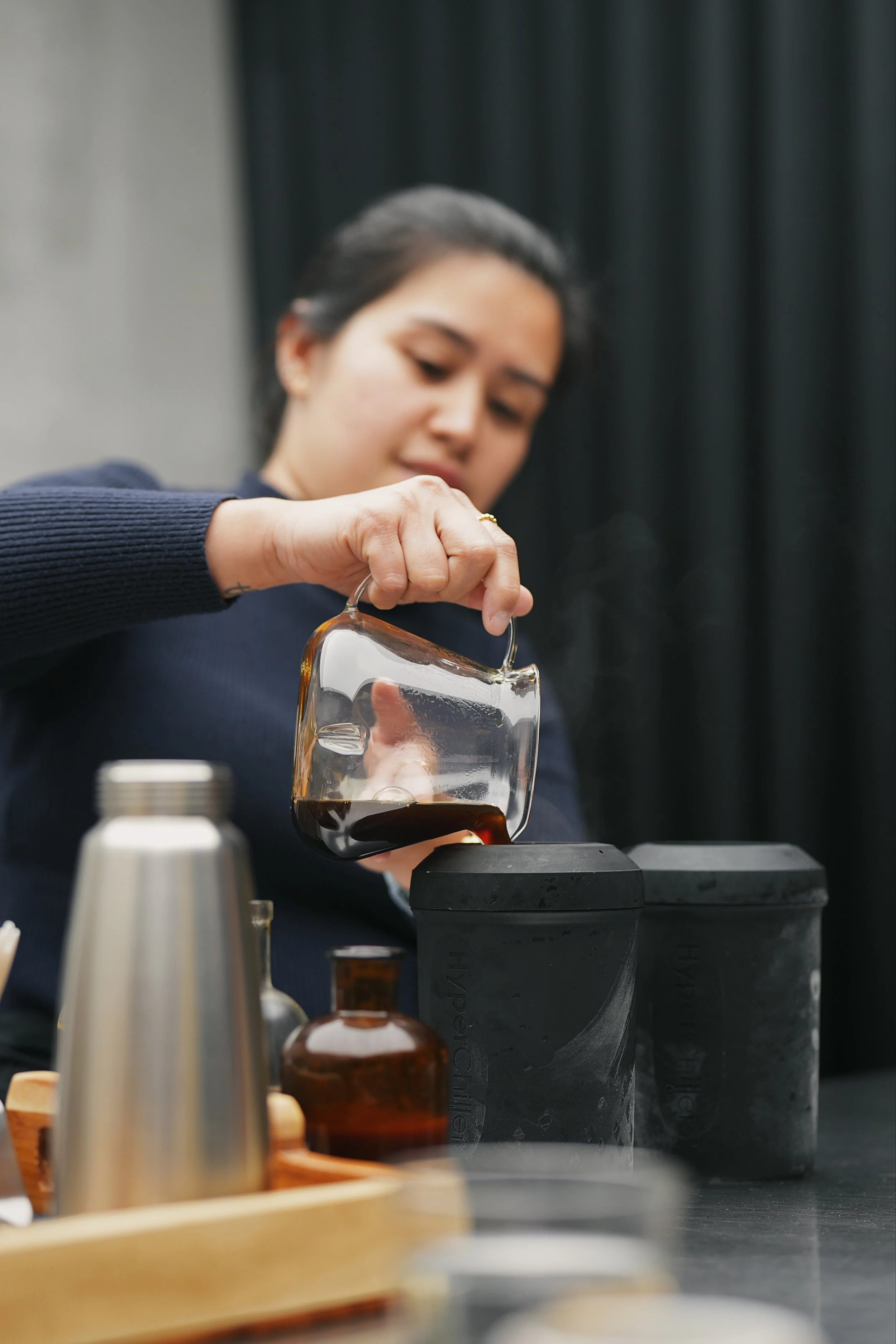
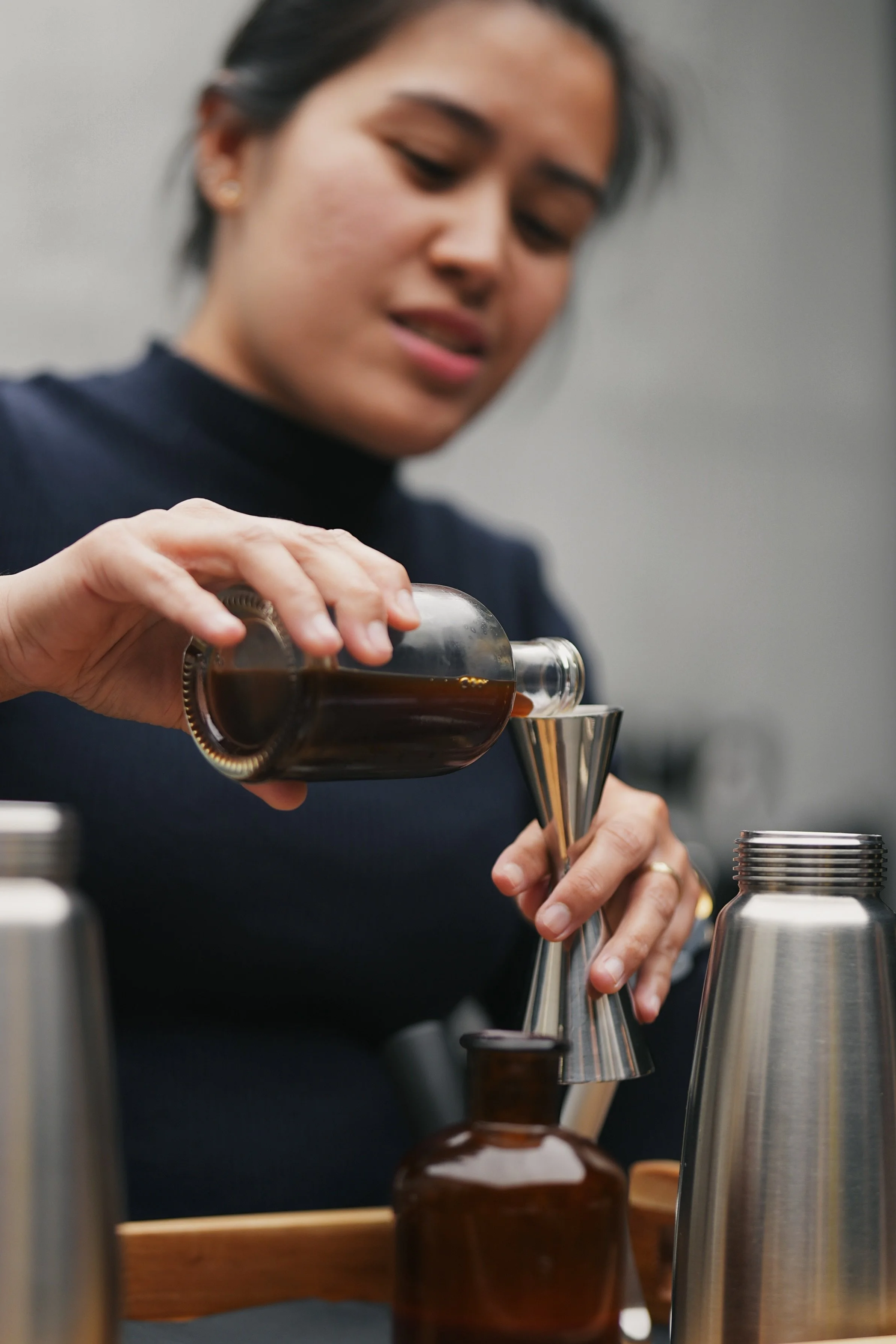
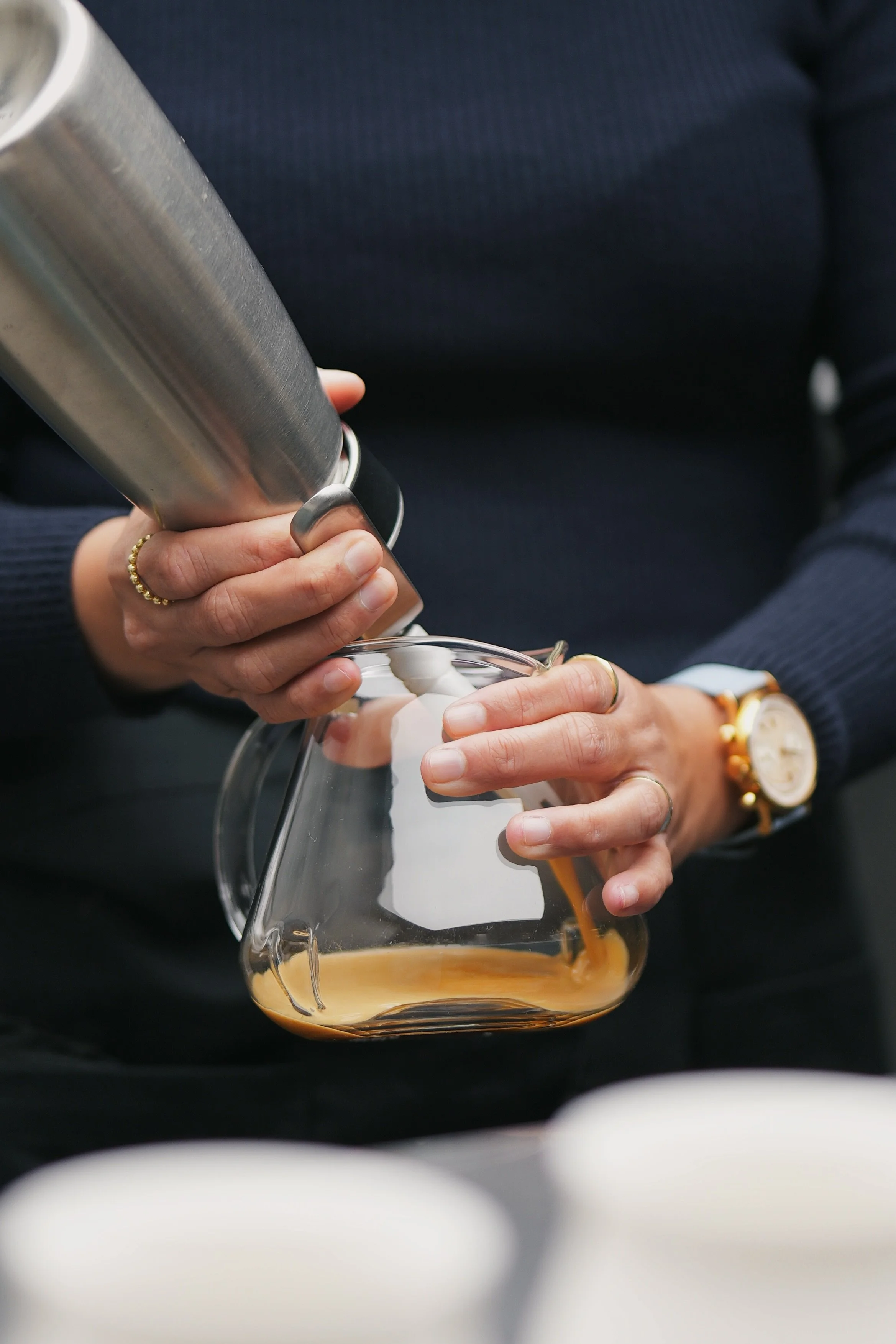
But she didn’t stop there. The experience was elevated further through the use of coffee cryoconcentrate and cryo-fermented strawberries; techniques that amplified the sweetness, texture, and complexity of the drink while remaining true to the spirit of the brew.
It was this very drink, this very idea, that eventually earned her gold at World of Coffee Dubai. A reminder that behind every winning cup is not just innovation or skill, but persistence and the courage to bring something truly personal to the stage.
The Future of Coffee Omakase
Coffee omakase will probably never replace the traditional café experience. Many people still prefer the freedom to choose their own drink.
But for those who are curious and open to exploration, it offers something unique. It allows baristas to express their creativity. It allows customers to experience coffee in a deeper way. And it transforms a simple cup of coffee into a journey.
In many ways, coffee omakase feels exactly like sitting at the judges’ table; watching the craft unfold right in front of you. Except this time, you are not just observing the performance. You are part of it.