
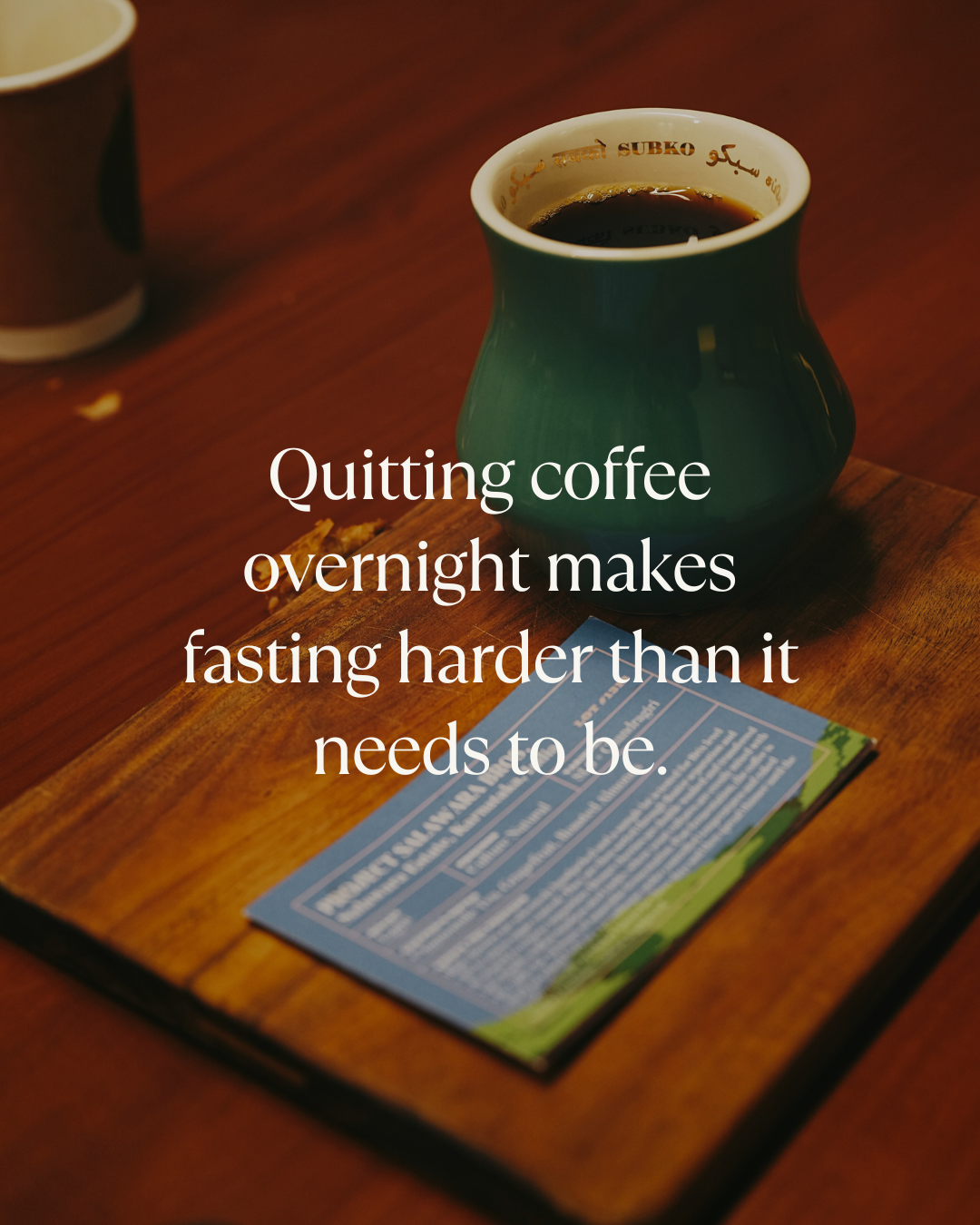
Coffee becomes a serious topic every Ramadan. I see many people decide to give it up completely during this holy month and if you are one of them, you might be worried about the first few days. Stopping coffee suddenly can make fasting harder than it needs to be.
It’s not because of hunger or thirst. It’s the headache.
That strong, pounding headache that comes from skipping your usual morning cup. But this does not mean you must quit coffee overnight. You simply need a plan. With small adjustments before Ramadan begins, you can make the transition easier. In fact, coffee has historically helped with focus and worship. In 15th-century Yemen, Sufi communities drank coffee to stay alert during long night prayers. It was not about habit. It was about staying awake for devotion.
Coffee also offers benefits that can be useful during Ramadan. It can improve concentration, provide energy after a long fast, and even support digestion. The key is knowing when to drink it and how to enjoy it without affecting your hydration or sleep.
The Significance of Coffee During Ramadan
Before talking about reducing caffeine, it is important to understand the cultural role of coffee in many Muslim-majority countries.
Ramadan is a sacred month of fasting, prayer, reflection, and self-discipline. While fasting from dawn to sunset is central, Suhoor (the pre-dawn meal before the fasting starts) and Iftar (the meal to break the fast) are equally important for maintaining energy. In many homes, coffee is part of both.
Ramadan is also about community. From hosting guests at Iftar to gathering after the night prayers, coffee is often served as a gesture of warmth and hospitality. In many cultures, offering coffee shows respect and generosity. During Ramadan, this tradition becomes even more meaningful.
Having coffee during Ramadan is safe and common. It simply requires moderation. Personally, I find that one small cup at Suhoor helps with alertness and a cup about an hour after Iftar works really well to avoid sleep problems.
Timing makes a big difference.

Coffee at Suhoor
For those who depend on coffee to start the day, Suhoor is usually the best time to have it.
A lower dosage than usual can reduce fatigue and prevent withdrawal headaches during fasting hours. However, caffeine has a mild diuretic effect, which means hydration becomes important.
Pair your coffee with water-rich foods such as fruits and vegetables. Drink enough water. Include slow digesting foods like oats, eggs, yogurt, or beans to maintain steady energy.
Many people wake up just minutes before the appointed fasting time and rush through their meal with coffee. It is better to wake up at least an hour earlier, eat and drink well followed by a cup of coffee. This timing helps prevent energy crashes later in the morning which I’ll explain later in the article why it is not a good idea to have coffee as soon as you wake up.
Coffee After Iftar
After fasting all day, it is best to break your fast gently with water and dates. Once your body adjusts to food and drink, you can enjoy coffee later in the evening.
Coffee after Iftar is often part of family time. It brings people together and adds to the social atmosphere of Ramadan. However, drinking coffee immediately after breaking your fast may cause heartburn or discomfort, especially on an empty stomach.
Waiting about an hour is usually better. Also, be mindful that late caffeine can affect your sleep, and good sleep is very important during Ramadan.

What to Expect from Caffeine Withdrawal
If you reduce caffeine, withdrawal symptoms usually peak within the first three days. For some people, it may last up to a week.
You may experience:
Headaches, especially in the afternoon
Fatigue or low energy
Irritability
Difficulty concentrating
This happens because your body is used to daily caffeine. The good news is that these symptoms are temporary. If you start reducing your intake at least two weeks before Ramadan, your body will adjust in time.
How to Prepare Before Ramadan Starts
Begin reducing caffeine at least two weeks before Ramadan. Stopping on the first day of fasting can be very difficult. Your body needs time to adapt. Listed below are some ways that has helped me even after Ramadan has started.
The “One Cup Less” Rule
Start by removing your last cup of coffee for the day.
If you drink three cups, reduce to two.
After three or four days, reduce again if needed.
Gradual reduction allows your body to adjust naturally.
The 50/50 Method
The idea here is to split your regular dose.
If you normally use 20–30 grams of coffee in one serving, divide it into two smaller servings for the day.
You can also mix decaf beans with regular beans. This allows you to enjoy the taste while reducing caffeine by almost half. Decaf still contains some caffeine, but usually not enough to create strong dependency.
Shift Your Timing
If you drink coffee immediately after waking up, you may be increasing your cortisol levels (your natural stress hormone). Your body already produces cortisol in the morning to wake you up. Adding caffeine at that time can increase jitters and anxiety.
Over time, this may reduce your body’s natural alertness and cause energy crashes later in the day. It is generally recommended to wait 60 to 90 minutes after waking before drinking your first cup. Gradually delaying your coffee trains your body to stay alert without depending heavily on caffeine.
The 2-for-1 Rule
Hydration is key if you want to ace your fasting.
You cannot go wrong with this rule.
For every cup of coffee, drink two cups of water.
This is the one I take most seriously.

The Best Schedule for Coffee While Fasting
Here’s a small breakdown that will help you take the right call when to have coffee.
At Suhoor
Pros: Helps alertness and reduces withdrawal headaches.
Cons: May increase thirst if you do not drink enough water.
At Iftar
Pros: Relieves headache and provides energy.
Cons: May cause acidity or disturb sleep.
After Night Prayer
Pros: Less likely to affect digestion.
Cons: May be too late and disrupt sleep.
For most people, coffee at Suhoor works better than at Iftar, or vice versa. Listen to your body and adjust accordingly.

Can Coffee Make You Thirsty?
Yes, coffee can increase thirst during Ramadan, especially if hydration is low.
Reasons include:
Caffeine increases fluid loss which can lead to dehydration and thirst during the day. Drink plenty of water after coffee. Apply the 2-for-1 rule here.
Drinking coffee right before sleep or immediately after suhoor may increase the increase toilet breaks reducing the amount of fluid in the body and increasing thirst during fasting.
Black coffee in moderation is usually fine. Sugary coffee drinks or desserts can increase thirst due to high sugar content in your diet.
How to Avoid Thirst?
Focus on water-rich foods at Suhoor: cucumber, watermelon, yogurt, leafy greens, bananas which maintain hydration and electrolytes.
Include slow-digesting foods like oats, eggs, and beans in both Suhoor and Iftar meals.
Avoid salty snacks, processed meats, and sugary desserts which cause extreme thirst and lead to energy crashes.
Drink enough water between Iftar and Suhoor and follow the 2-for-1 water rule, even after breaking your fast.

Tips for Enjoying Coffee During Ramadan
Keep it moderate. Limit yourself to one or two cups per day.
Hydrate properly. Always balance coffee with water.
Choose wisely. Smaller doses at Suhoor and decaf in the evening can help.
Pair with healthy foods. Nuts, dates, yogurt, fruits, and whole grains are better options than fried or sugary foods.
Respect the spirit of Ramadan. Enjoy coffee as part of connection and reflection, not as a dependency.
Coffee during Ramadan is not a problem. It is about balance.
Whether you drink it at Suhoor for focus or after Iftar with family, coffee can still be part of your Ramadan routine. The key is mindfulness, moderation, and proper hydration.
As you enjoy your cup this Ramadan, remember its role in bringing people together and make sure it supports your body, not works against it.
What changes are you making to your coffee routine this Ramadan? Are you quitting coffee or managing it better? Share your approach in the comments section below.