What I’m Brewing — Apr & May
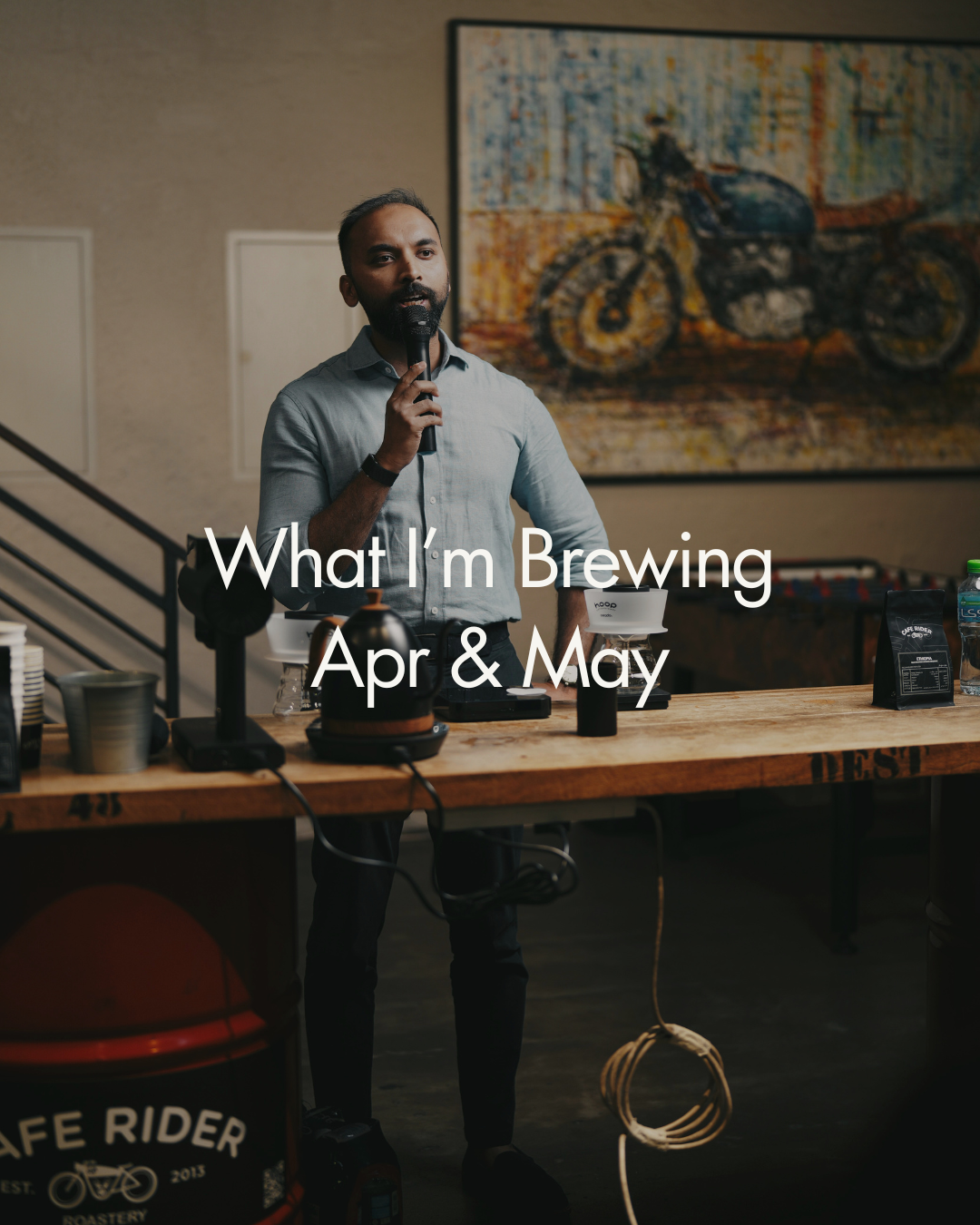
From one Eid to another, the last What I'm Brewing came out during Eid al Fitr, and today we are celebrating Eid al Adha. Publishing this while I finally have some time on my hands. The past two months I have been brewing some really good coffee and exploring really great coffee shops. If you are not following me, you can do so here. I am constantly sharing about community events and new coffee shop visits.
Archers
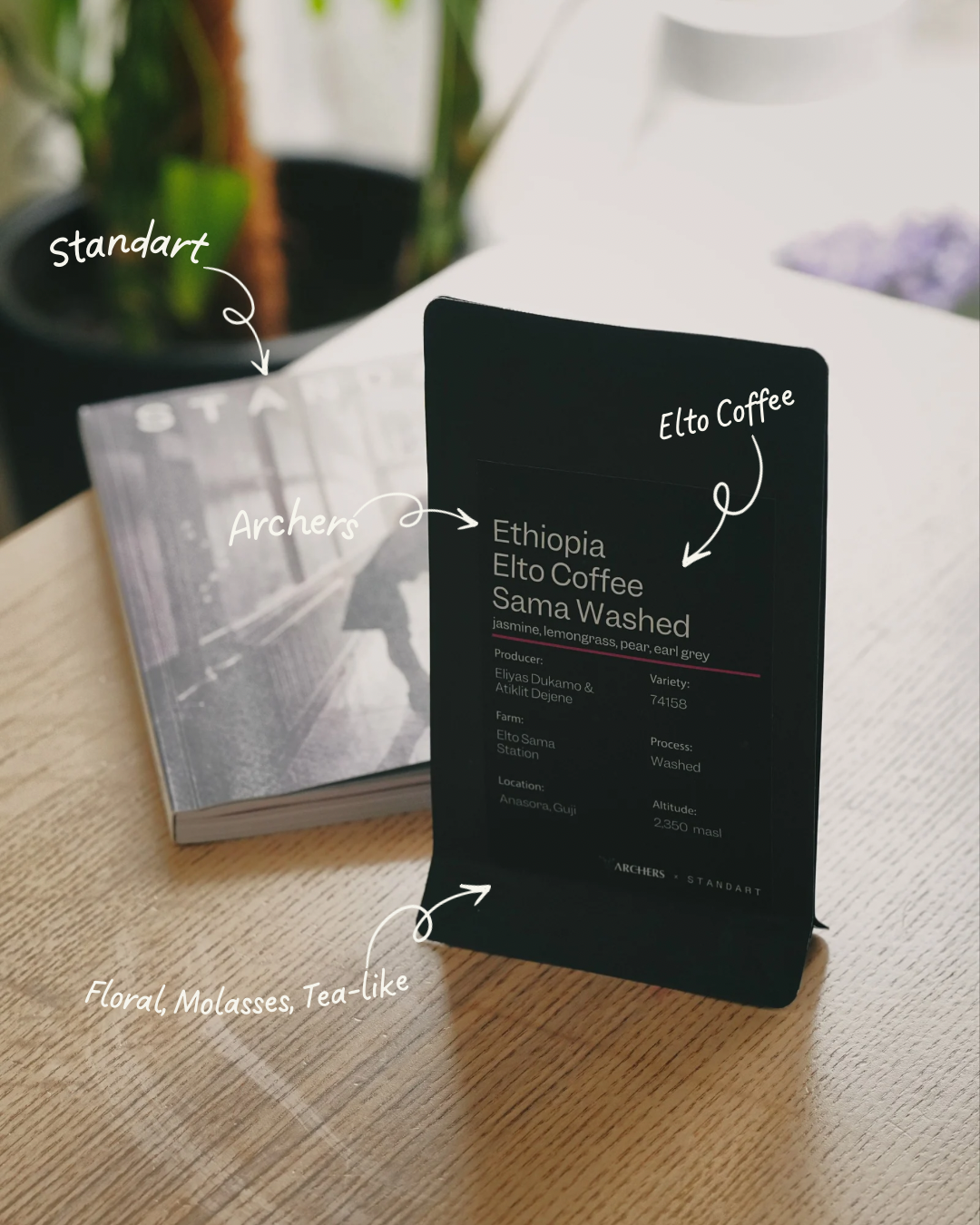
Every coffee I have bought from Archers has never disappointed. This Ethiopia Elto Coffee Sama Washed came along with a copy of the Standart Issue 42. Archers clearly sources extraordinary Ethiopian lots and this one finished too quickly.
Behind Elto are producers Eliyas Dukamo and Atiklit Dejene. They work closely with smallholder farmers to grow exceptional nano-lots. The best cherries are selected and processed carefully, respecting traditional methods while pushing them forward.
Expect beautiful hints of jasmine, lemongrass, pear, and Earl Grey. Just writing about this coffee is not enough and as I write this, I am checking the website if they have any bags available so I can enjoy some more, and luckily they still have it in stock.
Neeb Roastery
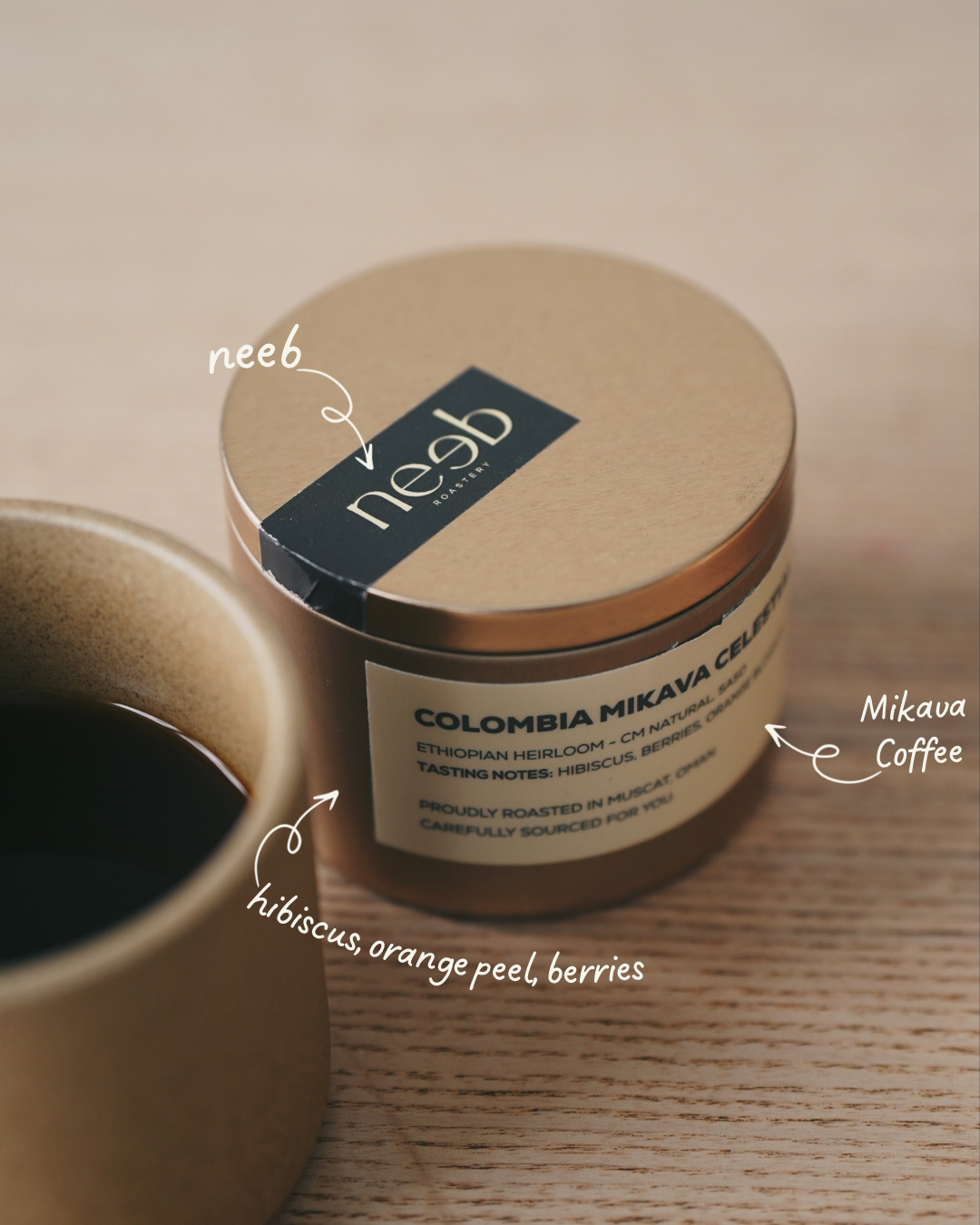
I got this Colombia Mikava Celestial Lot 166 as a gift from the one and only Eduard Inocencio, Qatar National Brewers Cup Champion 2025, during World of Coffee Dubai earlier this year. Looks like he was also brewing this coffee for a bar takeover at Rough and Round Coffee Room after World of Coffee Bangkok.
Mikava Coffee started when father and son, Paul and Kevin Doyle, fell in love with Colombia on a trip and ended up buying a farm, inspired to grow coffee that's full of character and flavor. The farm sits just outside the town of Marsella, Risaralda, in the Colombian Andes. They grow Bourbon, Typica, Gesha, and Sudan Rume trees, carefully picking the best cherries to make truly standout coffee.
For this particular lot, it is the Ethiopian Heirloom that has undergone a CM natural process, giving a sweet-forward cup of largely berries, hibiscus, and orange with a lot of floral aromatics.
Subko
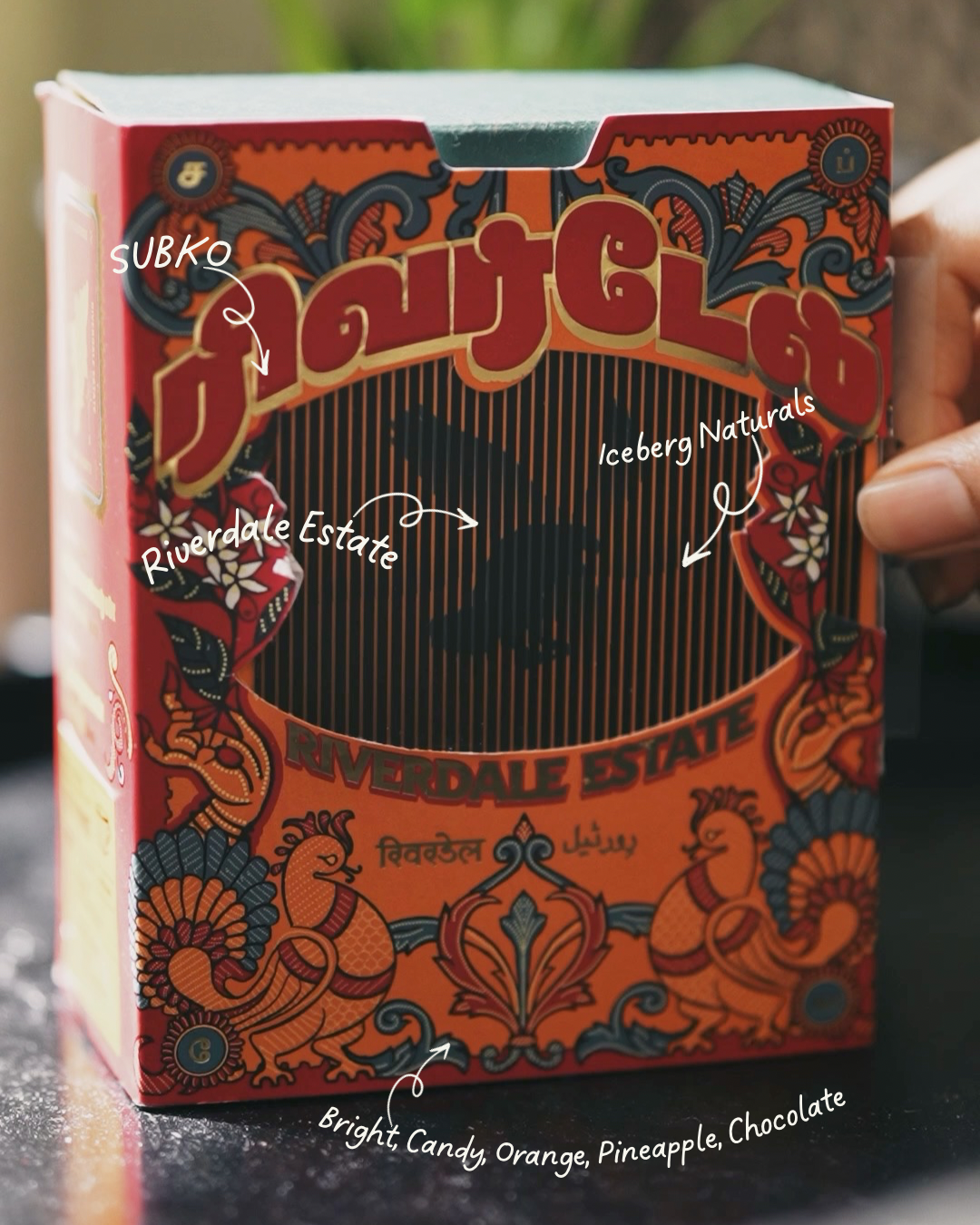
Subko’s collaboration with Riverdale Estate celebrates Tamil Nadu and its deep roots with coffee.
Tamil Nadu has had a coffee culture going back to the 1820s. Riverdale Estate has been part of that story since 1920. Today, under Prakashan and Mohan Balaraman, it is one of the more forward-thinking specialty producers in the country.
The Iceberg Natural process here is what makes this interesting. The cherries are harvested at high altitudes, washed with spring-water, density-sorted, and fermented with rose petals before being slow-dried on raised beds. The cup is clean and vibrant, with bright fruit and delicate florals aromatics, and lastly that sweet finish that makes you want one more cup.
Let’s not forget a round of applause for that packaging.
Kup
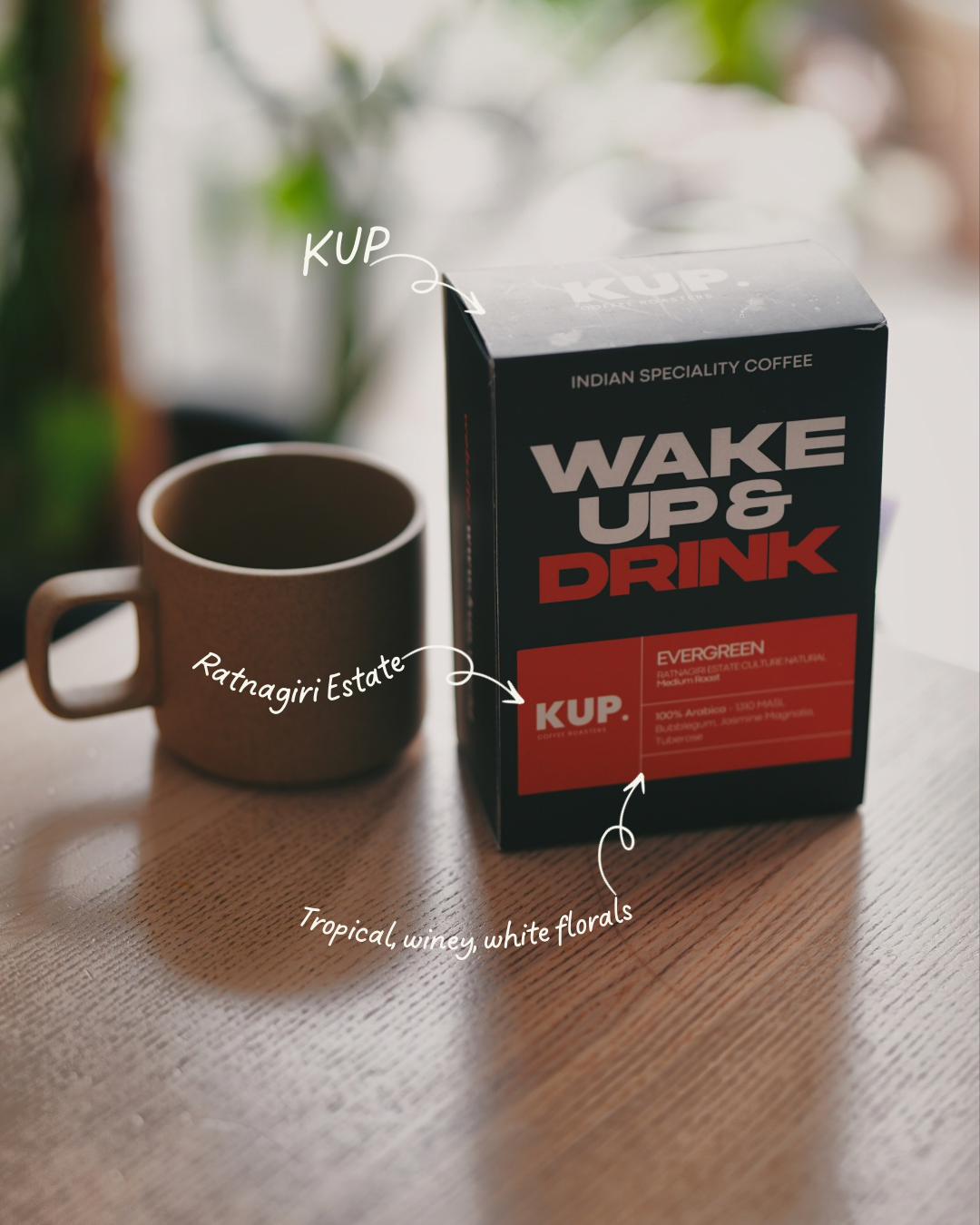
A new roastery straight out of India that I found out about during World of Coffee Dubai. Placed among hundreds of other roasters in the Roasters Village, Kup's branding stood out. Actually, shouts out.
Their coffee boxes literally tell you to either shut up and drink or wake up and drink their coffee. And that is what I did before talking to Jivesh Goenka, the founder of Kup, and his team, judging whether I'd be able to keep up with the loud statements, vivid branding, and vibrant flavor profiles.
This Evergreen from Ratnagiri Estate is just what the box tells you it is, a morning brew. The aromatics are floral but the brew is loud. Candy, funky, tropical. It'll not only wake you up but your senses as well.
I haven't tried the Forbidden yet, it's stashed away in my freezer. But here’s a really nice video on this coffee by @dat.coffee.guy.
Three Coffee
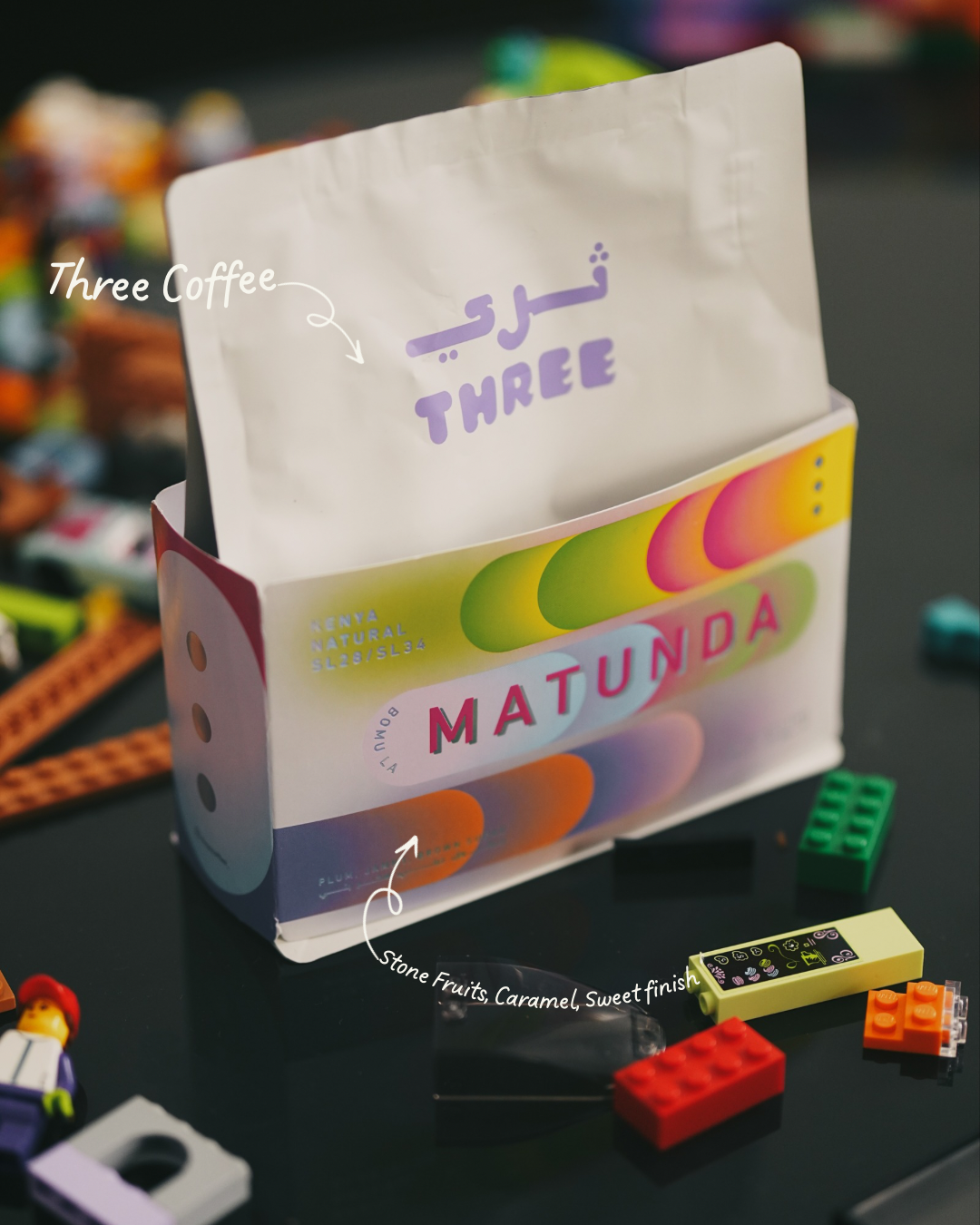
I have two Kenyans listed in this aarticle and they are both different to your regular washed processed from this origin.
The coffee is called Bomu La Matunda, which conveniently translates to fruit bomb. Grown at an altitude of 1400 to 1600 masl, the Pearless Estate also does washed lots, but true to Three's identity of introducing standout coffees, they have sourced something from this farm, a natural processed lot.
This is an interesting expression of the Kenya, still true to its identity but more playful. Expect purple fruits and a deep sweetness in the cup.
Grandmother Roastery
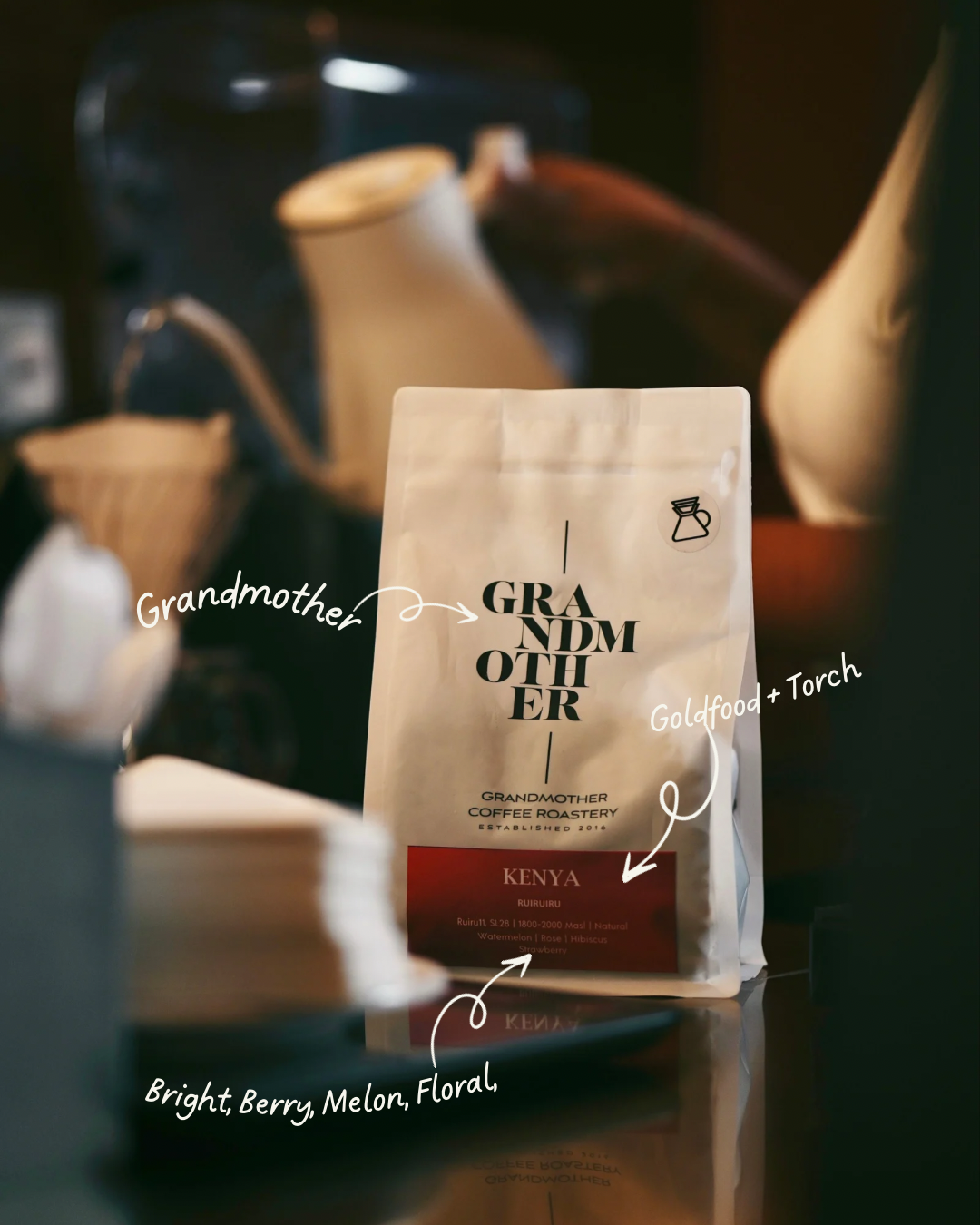
I have to explain first why this Kenya was such a big deal, especially after watching the community go gaga over the Torch Coffee Cupping at Goldfood during World of Coffee Dubai. That moment made it clear this was not your ordinary Kenya. Fast forward a few weeks, the first shipment arrived at Goldfood's warehouse, and within days, the cream was already sold out to some of the big names in the UAE. Grandmother Roastery was among them, and the word is, Freddiehas done justice to these beans. This is currently my favorite out of all the coffees listed here.
Kenya Ruiruiru is named after the factory where it was processed. A factory that had been abandoned for years, until a group of young farmers stepped in, rebuilt it, and brought the whole cooperative back to life.
Naturally processed and grown between 1800 and 2000 meters in Nyeri, this mix of Ruiru 11 and SL28 that produces something genuinely special. Fruity, floral, and layered in a way that earns every note.
ROR Coffee Solutions
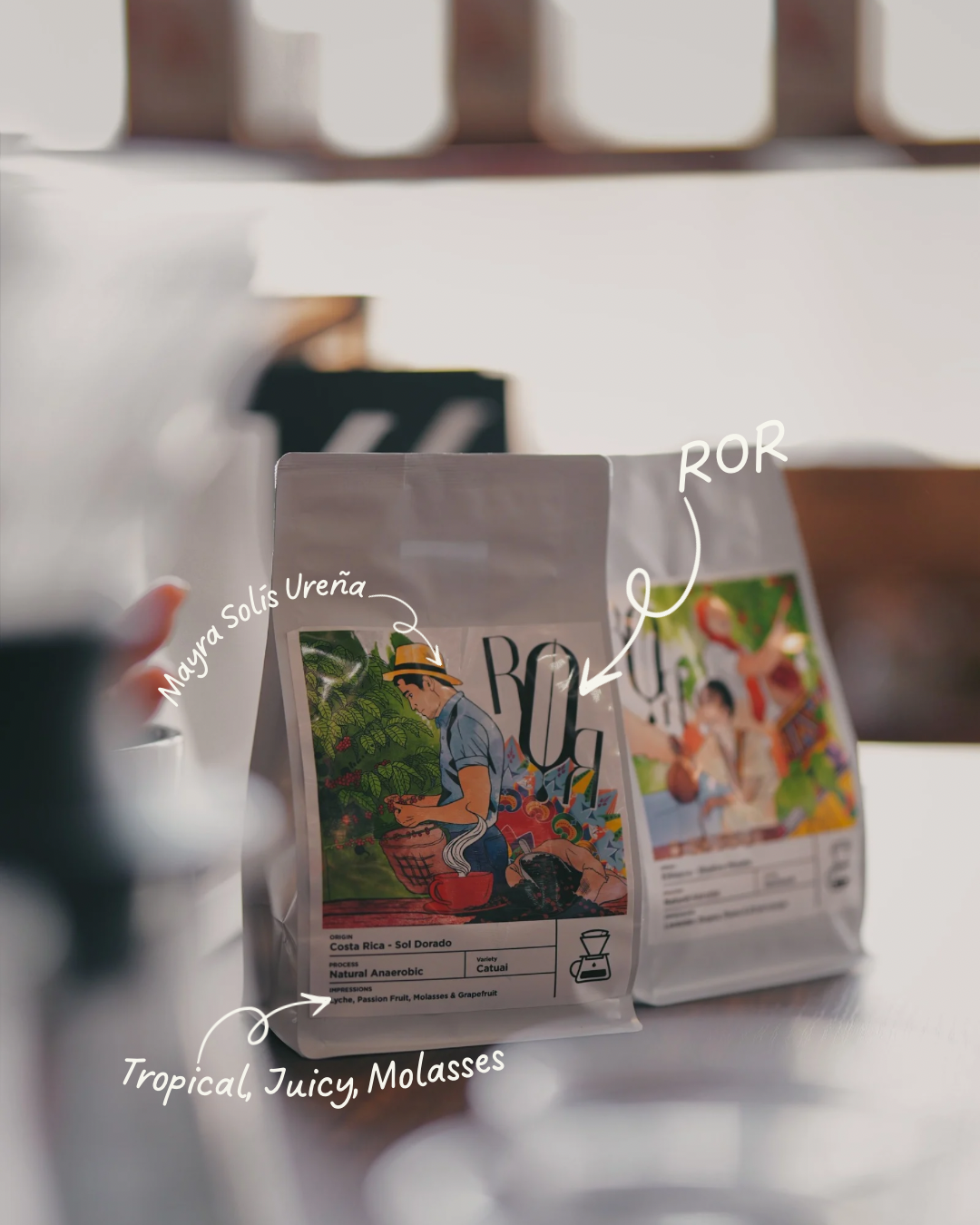
This Costa Rica Sol Dorado was part of a two-origin release alongside the Ethiopia Shakiso Mesele from ROR last week, but this one is my favorite of the two.
Grown in the renowned Santa María de Dota, Tarrazú region, at 1,900 meters above sea level. Produced by Mayra Solís Ureña and processed through an Anaerobic Natural method, this coffee is very sweet, complex and fruit-forward.
The funny thing is, although the event was meant to be a release, it quickly turned into a brewing class. Estella reminded us that changing the brew ratio alone can change the cup and bring out notes that weren't there before. We spend so much time dialing in, tweaking temperatures, and complicating the pour. This was a good reminder that the brew ratio deserves the same attention.
That's what's been on my bar this month.
What are you brewing at home right now? And more importantly, what should I try next?