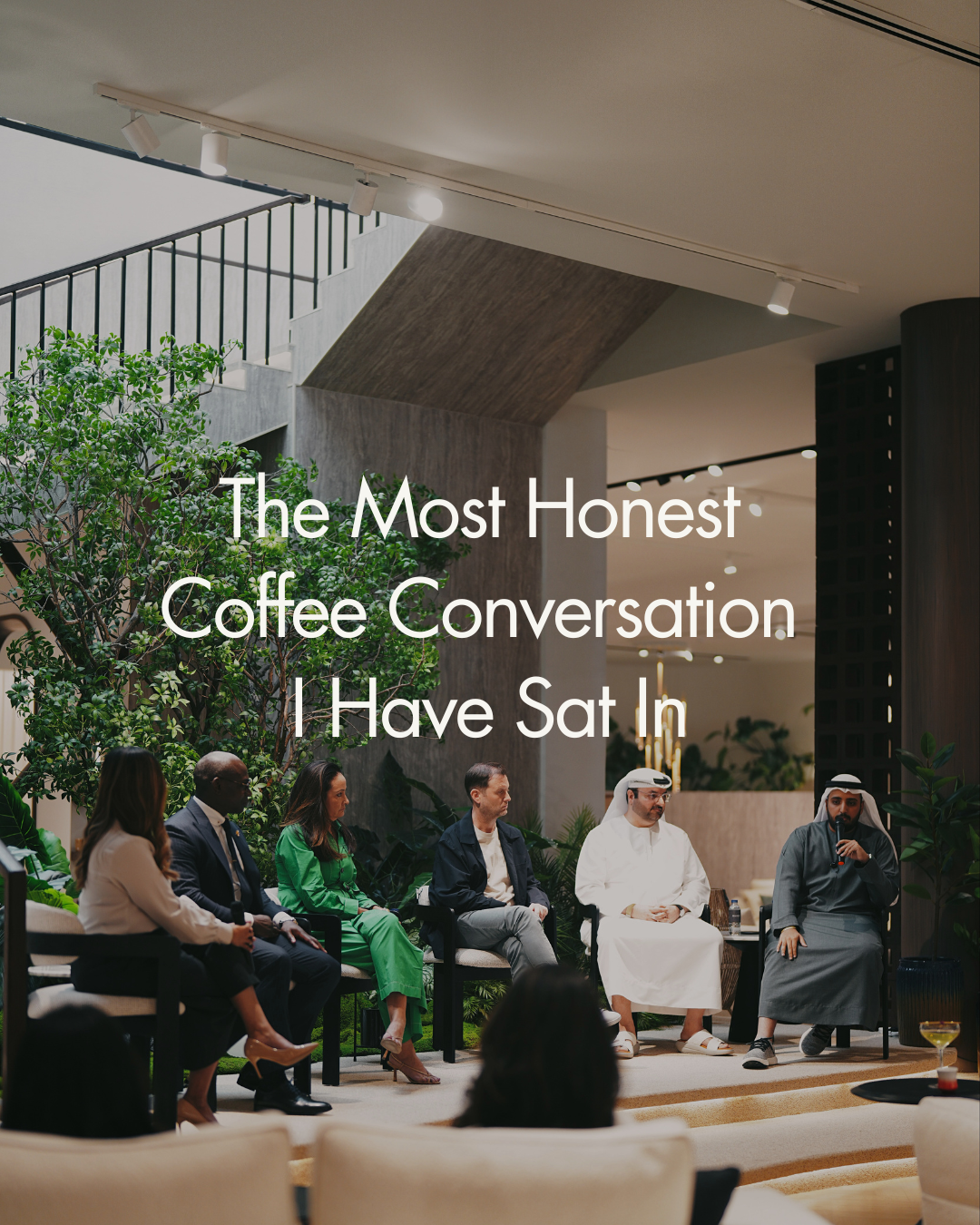
I have been to a lot of coffee events. Tastings, competitions, trade shows, industry meetups, different types of events. Most of them are good, very few are great. But Coffee Break Vol. 1 was different. It was honest. It reminded me of a panel discussion at Cafe Rider many years ago between specialty coffee and bean to bar cacao.
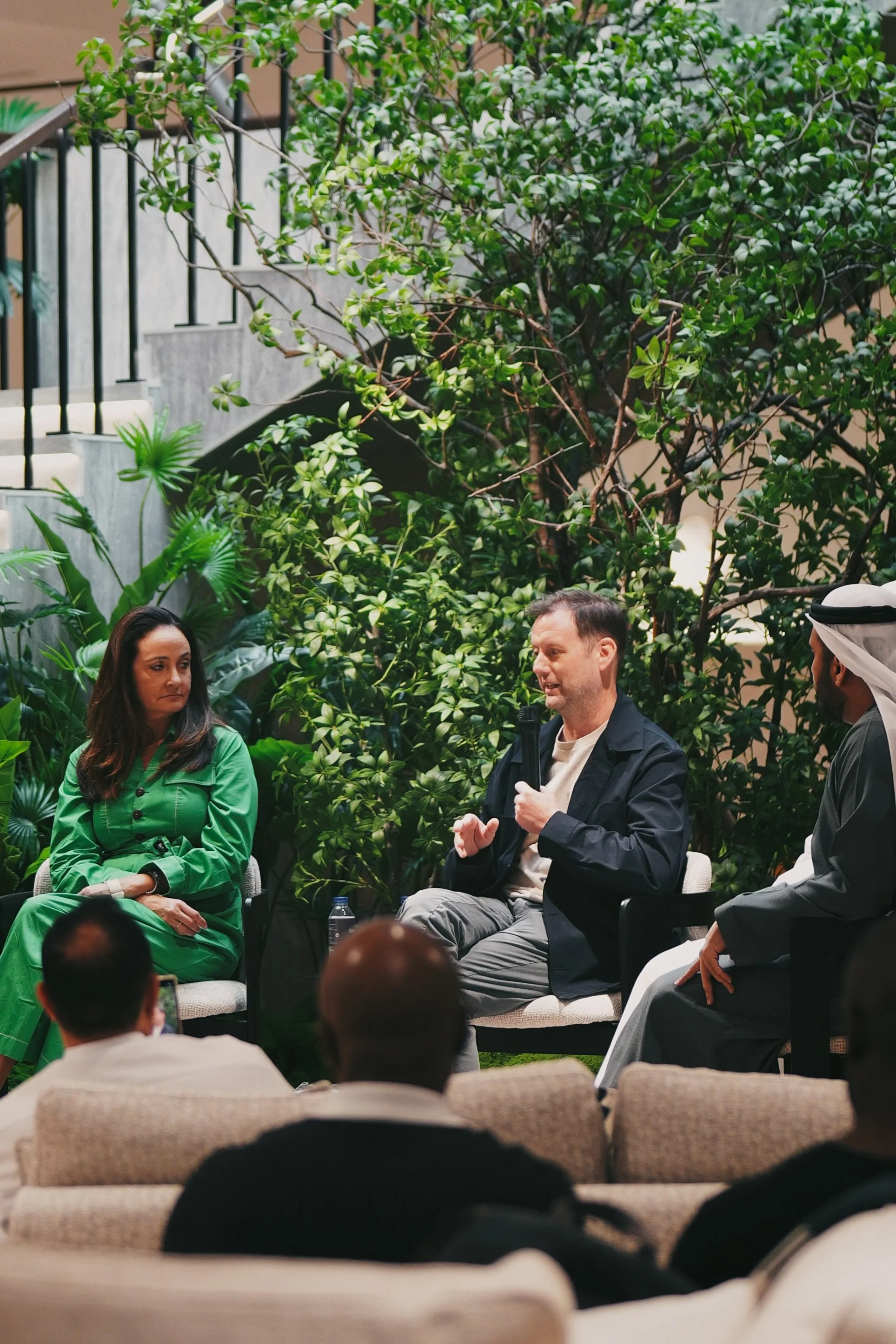
During the month of April, Mokha 1450 and Modora put together a panel of their own experts from a landlord, a logistics operator, someone who tracks hundreds of venues for a living, a former president of the Specialty Coffee Association and a moderator who is more of a journalist and has spent years interviewing the F&B industry. That wasn't it though, they sat in front of an audience and talked about what is actually happening. Not what should be happening, not what the press release says is happening, but what is actually happening.
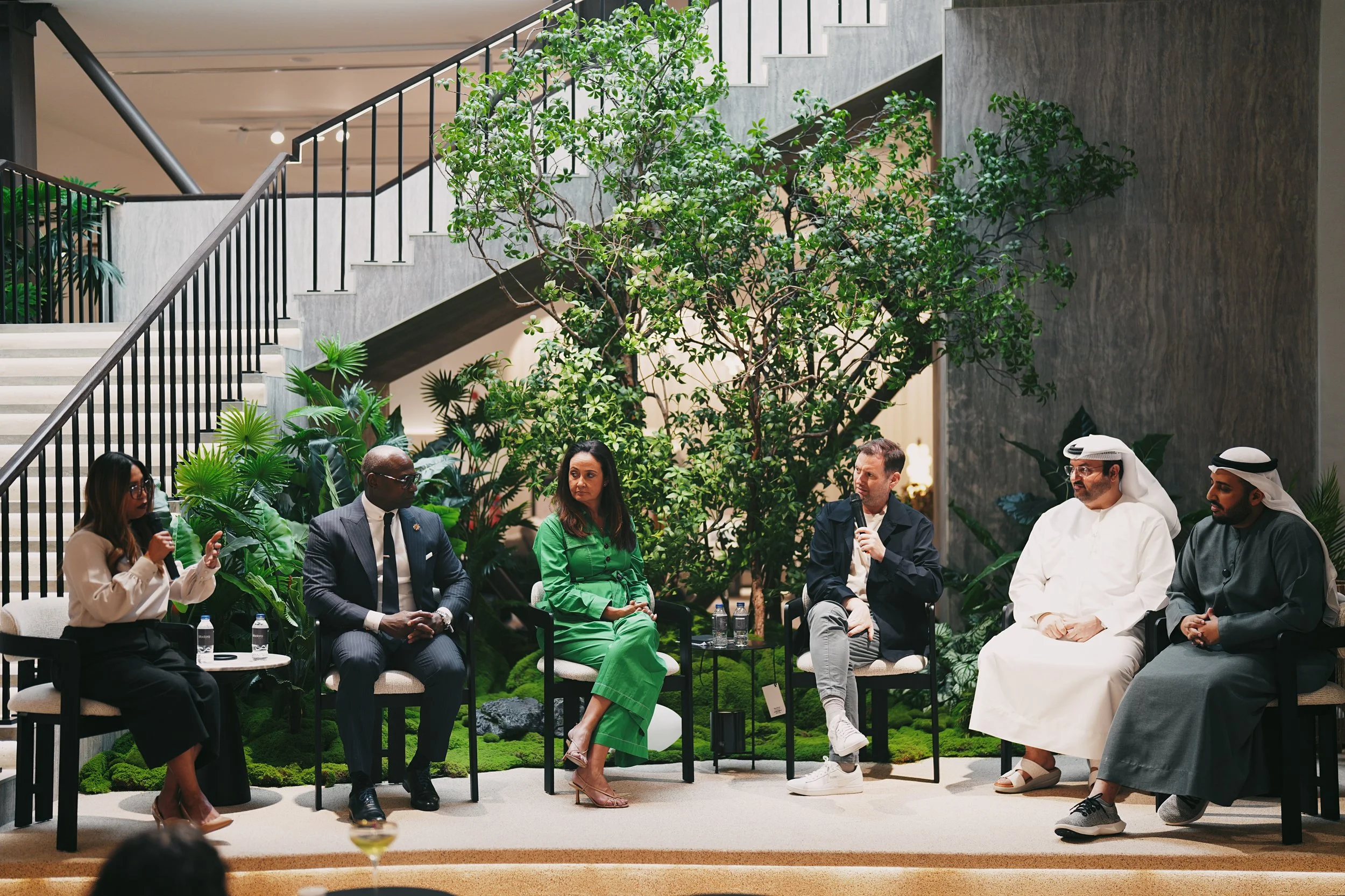
To recap, let's take a look at the panel:
Garfield Kerr, CEO of Mokha 1450 and Former President of the SCA, brings both the global picture and the ground-level reality of the industry.
Abdulla Al Shaibani, Group CEO of Axeed, speaks to what it means to lead through uncertainty.
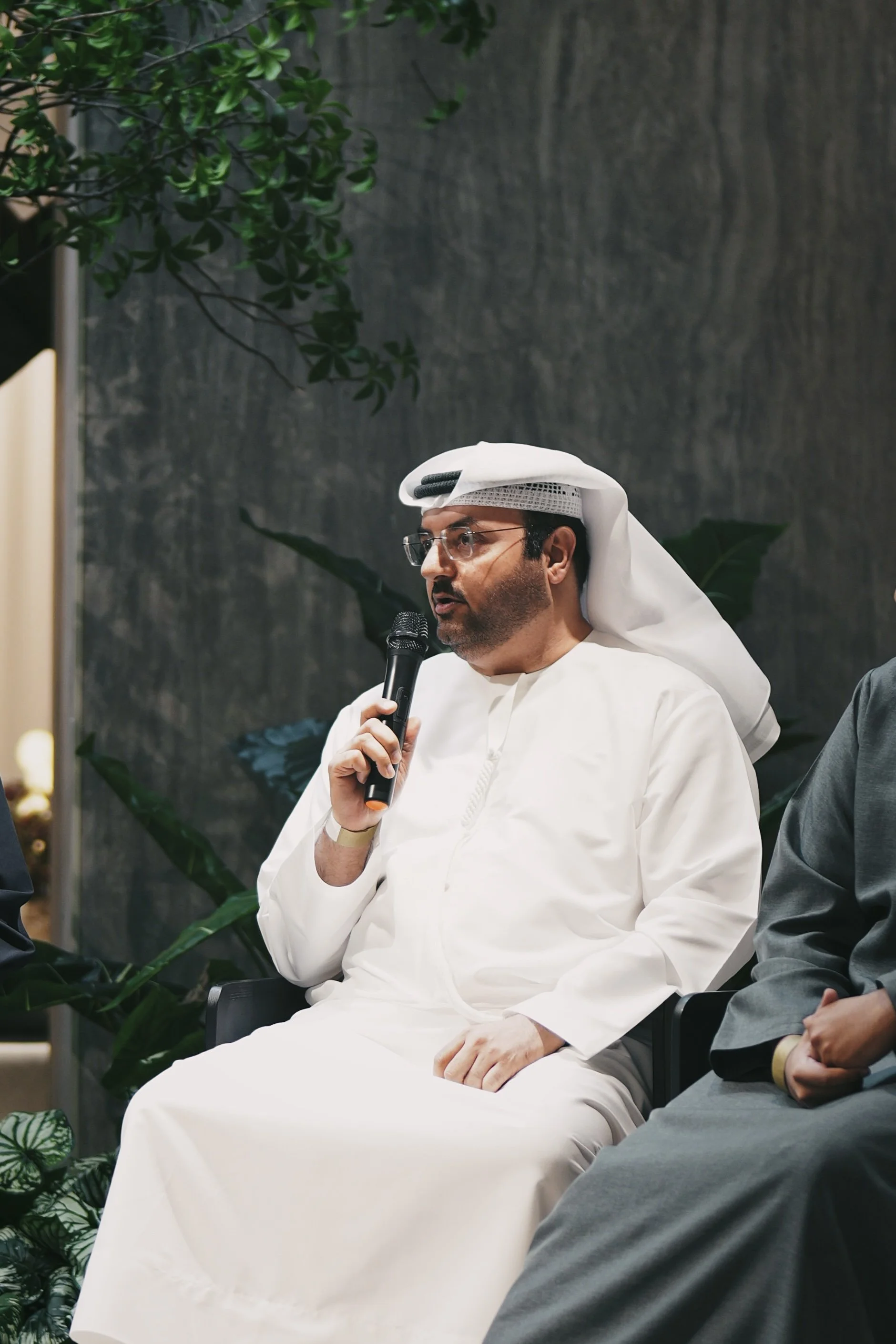
Khalid Al Mulla, CEO of the Dubai Coffee Museum, grounds the conversation in history and culture.
Jennifer Pettinger-Haines, Founder and CEO of The GRIF Collective, brings the entrepreneurial and community lens.
Paul Clifford, Editorial Leader and Industry Commentator, asks the questions others in the room haven't thought to ask yet.
Moderated by Zeena Zalamea, Broadcaster and Entrepreneur, who kept the conversation honest and moving.
Where We Are
Before you can understand what was said in that room, you need to understand the moment we are in.
Green coffee prices are at record highs, shipping costs are increasing and have not recovered to where they were, fine dining is contracting sharply, consumer behavior has shifted, and the businesses dealing with all of this are bracing for multiple challenges, not one at a time.
This is not a coffee-specific story. Every sector is feeling some version of this. But coffee is particularly exposed because of how global its supply chain is. The beans you drink in Dubai were grown in Ethiopia, Colombia, or Yemen. They pass through multiple ports, crossing multiple borders, and arrive here after a logistics chain that is currently under serious strain.
The cup costs what it costs for a reason and that reason starts a long way from the café, affecting everyone involved directly or indirectly, especially at origin.
The Picture Does Not Look Positive.
Coffee Break Vol. 1 left me with a lot to think about.
Supply chains, rising costs, uncertainty across markets. But the conversation in that room was not about panic. It was about building differently.
Focusing on building communities, smarter menus, resilient models and so much more. Dubai's stability shapes how people here see what comes next.
Dubai has managed to navigate global disruptions in ways most cities haven't. Can that same resilience mindset apply to how people in coffee think about what's coming?
The Line That Stayed With Me
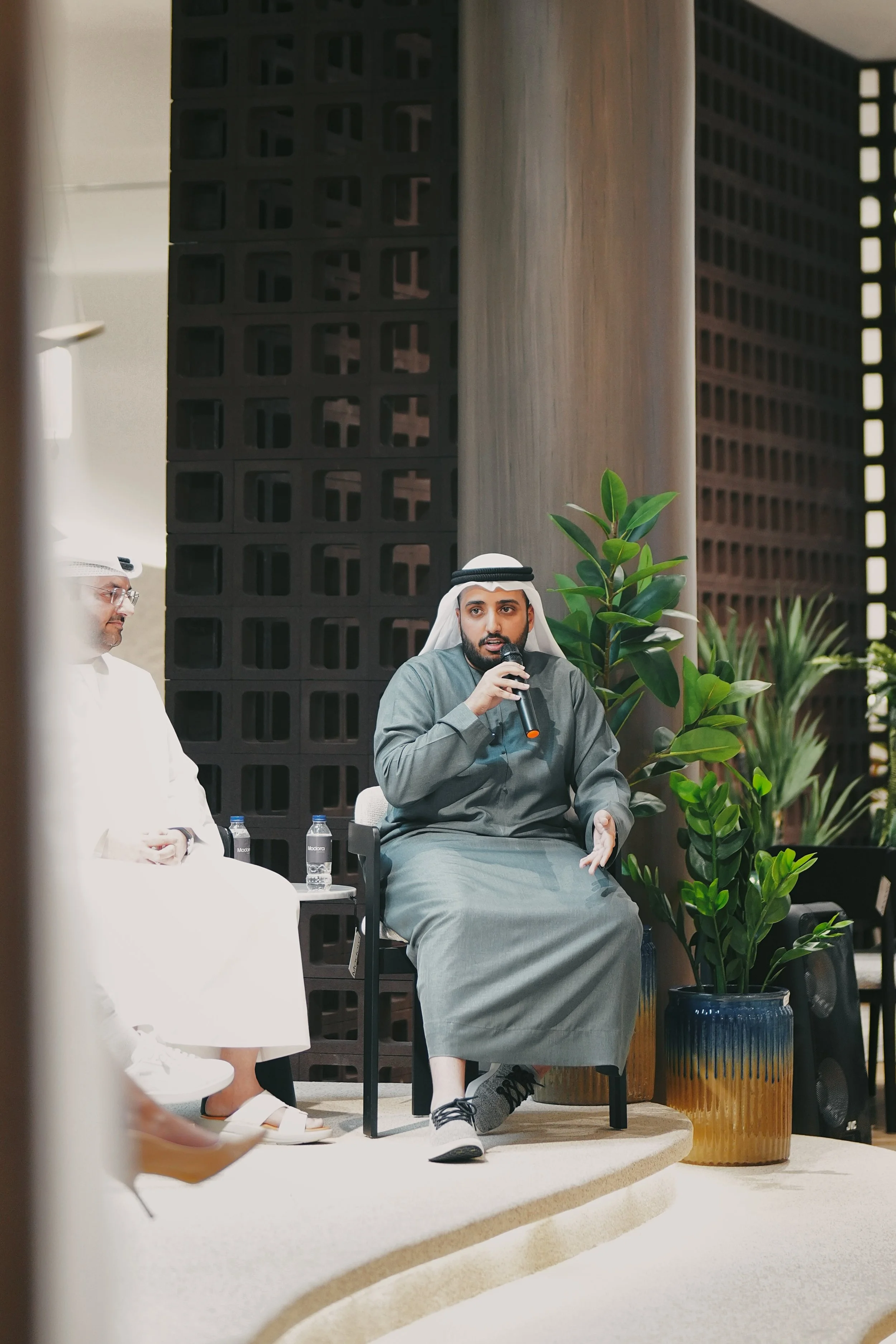
Abdulla said something early in the session that I kept coming back to.
To move a market, you need to show there is a market to move to.
He was talking about leadership in uncertain times but it applies to almost everything being discussed that day. The businesses that pull this industry forward are not the ones waiting to see what happens. They are the ones creating proof, showing it can be done and demonstrating through action that there is a direction worth moving in.
His broader point was that leadership right now is not about expansion. It is about resilience and maintaining continuity. Supporting your tenants, your partners, your smaller ecosystem rather than protecting only yourself. Think of it this way, a landlord whose tenants close does not have a thriving asset, they have an empty one.
If you are a café owner under rent pressure right now, that conversation with your landlord is worth having. It is a proposal that both parties can work towards to support each other.
The Number That Reframed Everything
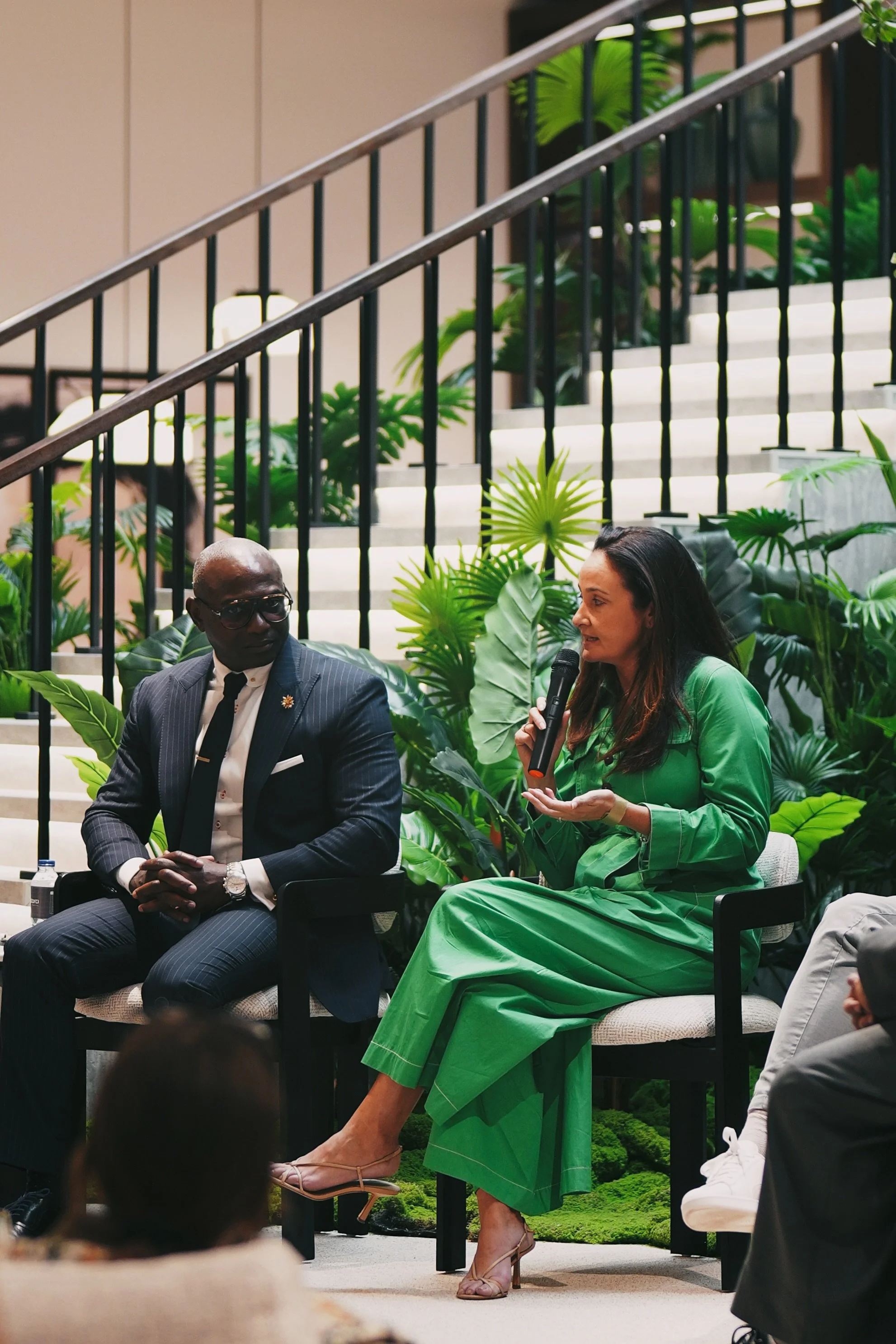
Jennifer tracks venue performance across Dubai for a living. She came with data covering around 400 venues and what she shared split the room in a particular way.
Community cafés and neighborhood spots are up. We are talking about 30 to 40 percent in some cases. It is the opposite for fine dining restaurants, they are not faring well, and the numbers are beyond 70 percent.
That is not a small divergence. That is two completely different industries wearing the same label. The reason is not complicated once you say it out loud. Community venues serve a consistent, daily need. The café down the road from where someone lives or works is embedded in their routine. Fine dining depends on occasion, on disposable income, on visitors. When those things are under pressure, fine dining is the first thing people cut.
What this tells you practically is that proximity matters more than prestige right now. The investment in knowing your regulars, building a neighborhood identity, making someone feel like your café is partly theirs, that is not a soft marketing idea. That is what is keeping businesses alive.
The Price of Discounting
Paul made a point that sounded uncomfortable but was completely right.
Do not discount your way through this.
His argument was simple. Once you train a customer to expect a deal, you cannot untrain them. Once your brand lives at a lower price point in their mind, moving it back up is a years-long project if it is possible at all. The short-term relief of a promotion can become a long-term brand problem that is much harder to solve than a quiet week.
The operators doing this well are not cutting prices. They are cutting complexity. Smaller menus. Tighter sourcing. Clearer identity. Finding collaborations with suppliers that create efficiency without compromising what the brand stands for. Restructuring rather than reducing.
It is harder. But it protects something that took years to build.
The Supply Chain Is Under Real Strain
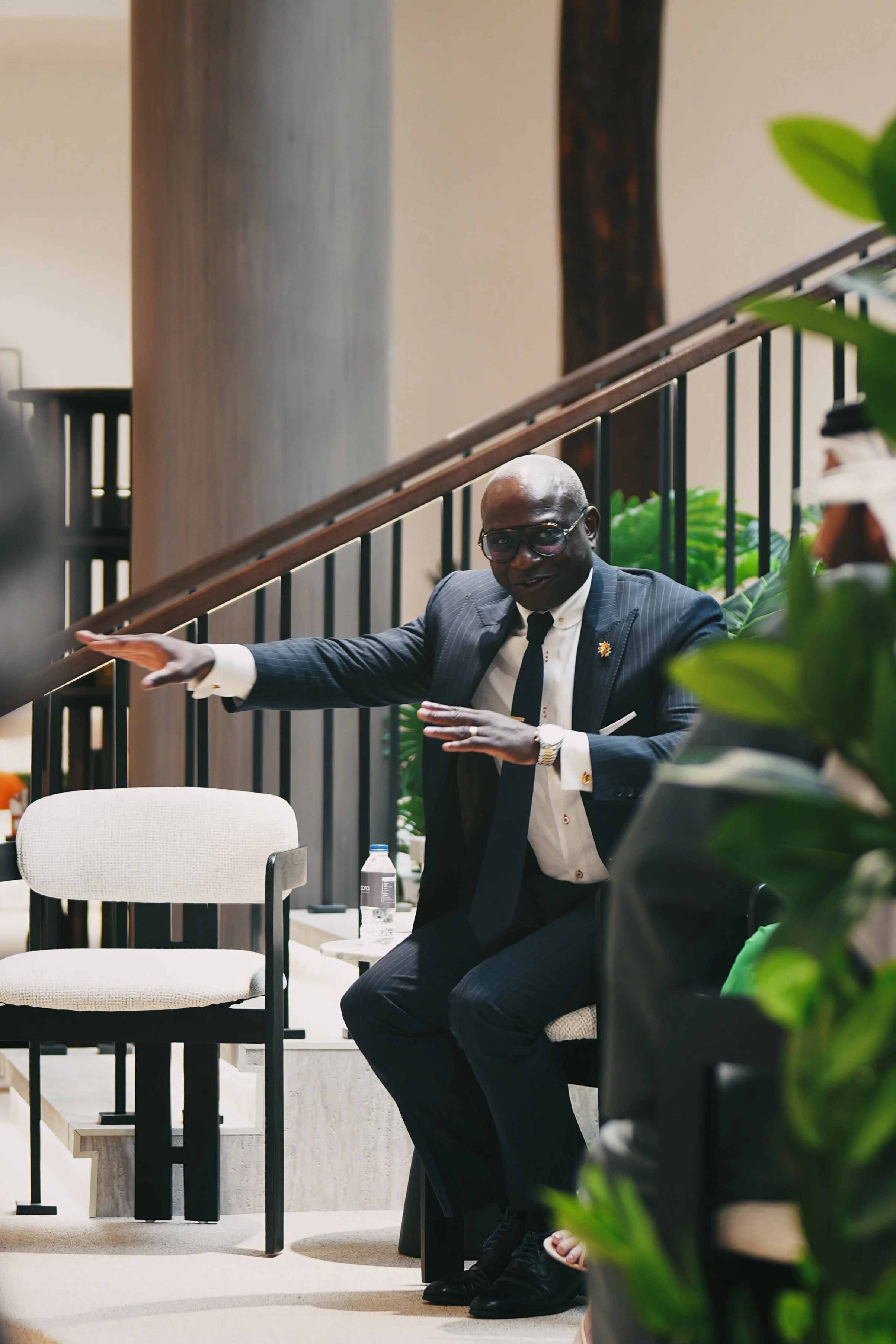
Garfield was not dramatic about this. He was just direct.
Shipping costs have jumped and air freight has been disrupted. Businesses are pausing shipments, delaying projects, holding inventory at origin because the economics of moving it have changed. And all of this is happening while green coffee prices continue to climb.
For a specialty roaster, every purchasing decision is harder than it was two years ago. For a café, the math of what goes into the cup has changed in ways that are not fully visible to the customer.
This is also not a temporary problem with a clean end date. The pressures at origin, farmers being squeezed on returns, their younger generations choosing not to go into agriculture, climate volatility in growing regions, those are structural issues that have been building for a long time. The logistics disruption made them visible faster.
Khalid added context that matters here. The UAE has been actively diversifying its logistics infrastructure. Alternative shipping routes, regional port redistribution, reducing dependency on single corridors. For an import-dependent industry in a city with no domestic production, that is directly relevant to how reliably coffee arrives and what it costs when it does.
Hotels Have an Opportunity They Are Sleeping On
One of the most practical threads of the day was about hotels.
The hospitality sector is sitting on physical assets that are underperforming. Empty meeting rooms, quiet lobbies, kitchens at partial capacity during off-peak hours, amenities that are already paid for and not generating revenue, and so much more.
The suggestion from the room was straightforward. Think differently about those spaces. A quiet meeting room can become a co-working day-rate. A lobby with great foot traffic can host a pop-up. A hotel kitchen can power a delivery concept. The infrastructure is there. The question is whether there is enough commercial imagination to use it.
The challenge, as someone said, is that hotels do not move fast. They are finance-driven organisations with approval chains and brand standards that were not designed for this kind of experimentation. The operators who figure it out first will have a real advantage here.
For a specialty coffee brand looking to grow without the full cost of a standalone lease, this is a conversation worth having. The right hotel partnership could work for both parties in ways that neither has fully explored yet.
The Younger Market Is Still Wide Open
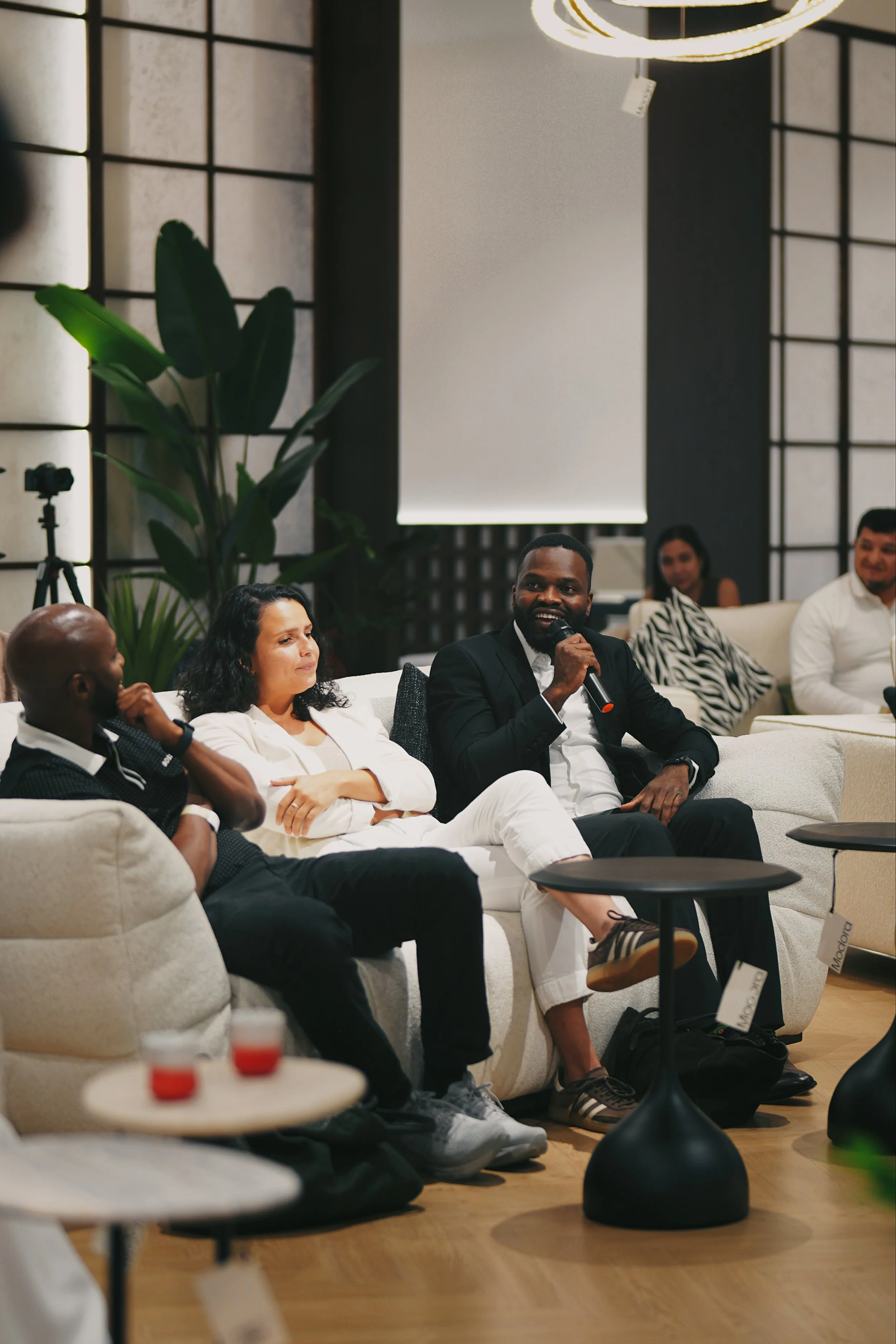
Multiple speakers circled back to the same gap: the under-25 consumer is largely underserved by specialty coffee marketing right now.
This is a demographic with disposable income, strong platform presence, and a willingness to spend on experiences that align with their identity. Specialty coffee, done right, fits exactly that brief. But most of the marketing in this space is still aimed at people who already know what a V60 is.
The opportunity is not about dumbing things down. It is about finding a way to bring someone in before they know the vocabulary. Making the experience feel accessible and interesting rather than exclusive and intimidating. The brands that crack this in the next two years will own that relationship for a long time.
What People Were Actually Feeling
What I noticed was that none of this was presented with panic.
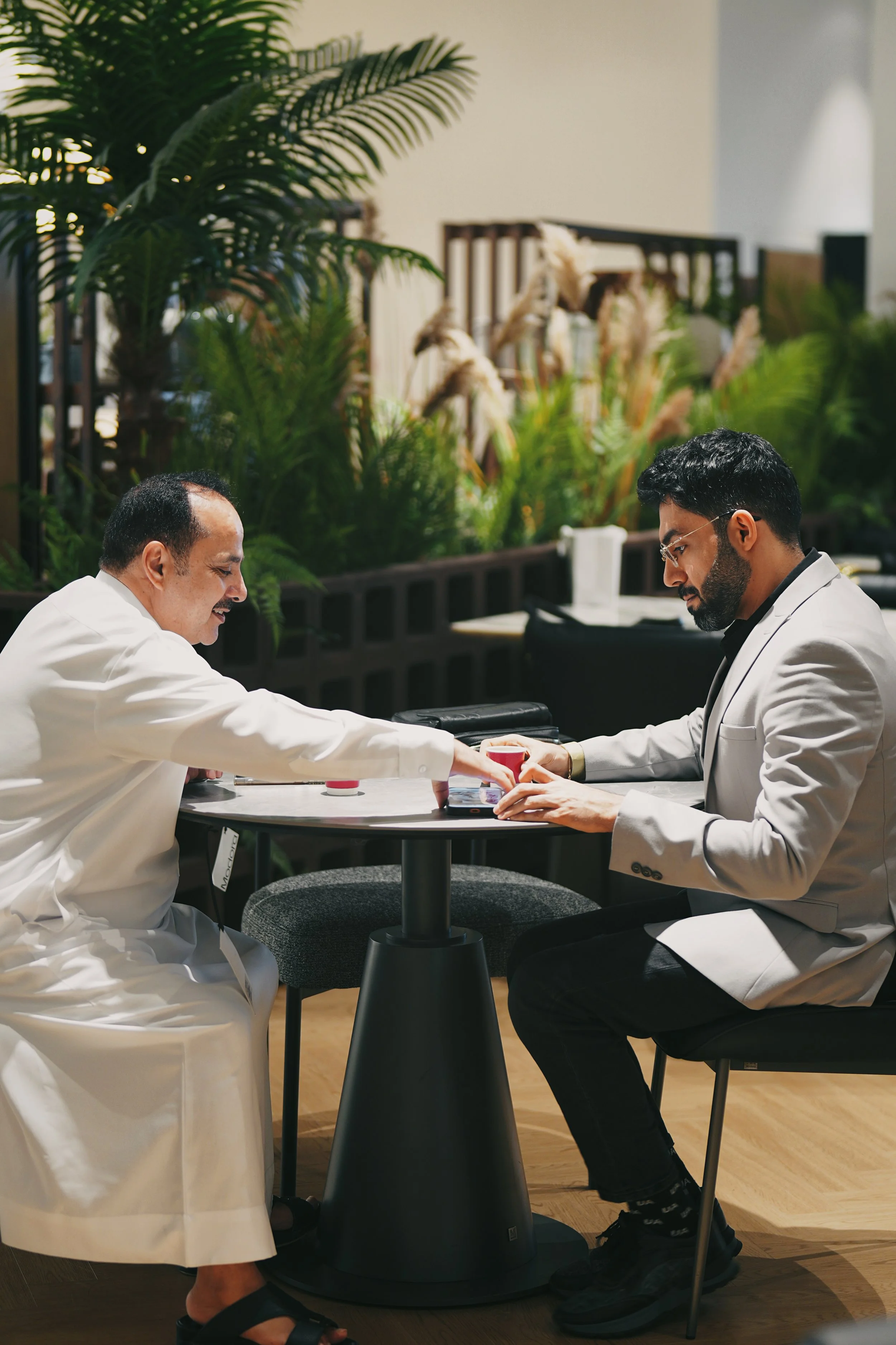
These are people who have been through difficult periods before. They understand what a genuine structural collapse looks like. They do not think we have come to that yet. The consensus was cautious optimism with a concrete basis. The numbers are still looking strong. World of Coffee Dubai already has strong forward bookings compared to last year, government infrastructure investment is continuing, new neighborhoods and metro expansions are creating new foot traffic opportunities.
The goal most people in that room have named for themselves is simple. Come out of this year steady and then walk into next year from a position of stability rather than recovery. Just like COVID, this challenge is a different shape. But the people who were in that room figured that one out too. The belief is that they will figure this one out as well.
One thing that came through clearly was the Emirati entrepreneurial conversations happening in private circles right now. Diversifying business models, exploring online channels, building community-driven concepts. These are not yet public conversations, but they are happening, and the regulatory environment is now more supportive of them than it has ever been. Full foreign ownership on the mainland, more flexibility in licensing, new structures for equity sharing. The conditions for building something new here are genuinely good.
Some Names Worth Knowing
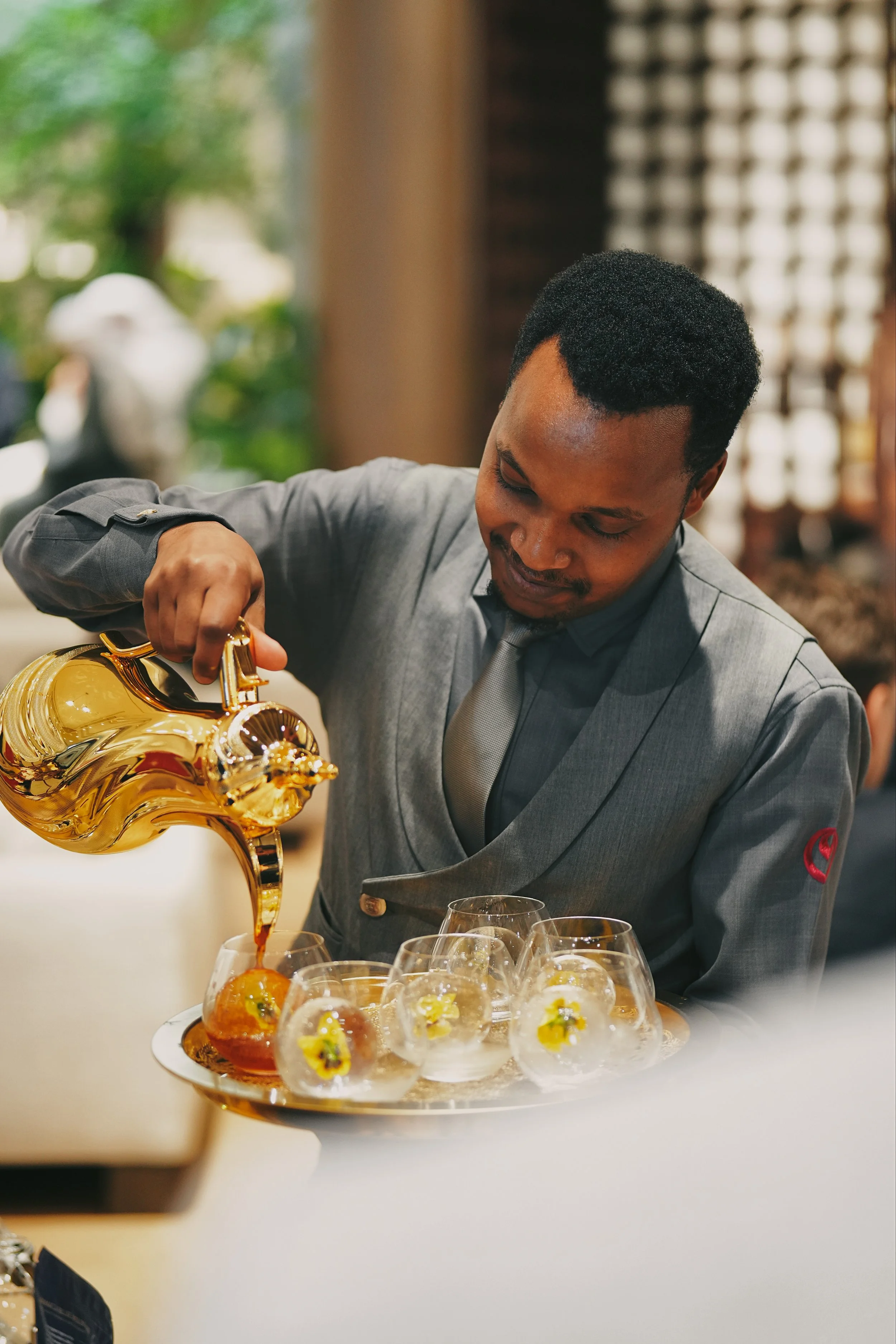
Each speaker was asked to name a local business that has inspired them or made a mark. The ones that came up: Dough Bai, 25hours Hotel, Elite Agro, Backyard, Fadie Cakes, Trio, The Mark Cafe.
If some of those are unfamiliar, worth looking them up. They represent the kind of embedded, community-driven businesses that the whole day was really about.
I want to say something about the event itself before I close this.
The specialty coffee market in the Middle East is growing fast. The region's branded coffee shop sector now has more than 11,160 outlets, and consumption is accelerating year on year. With that growth comes the temptation to only ever talk about the wins, the new openings, the beautiful roasts, the competition results.
Coffee Break chose not to do that. It chose to sit with the difficulty for a few hours and be honest about it. That's confidence right there, and I hope it becomes a regular thing. The industry needs it.