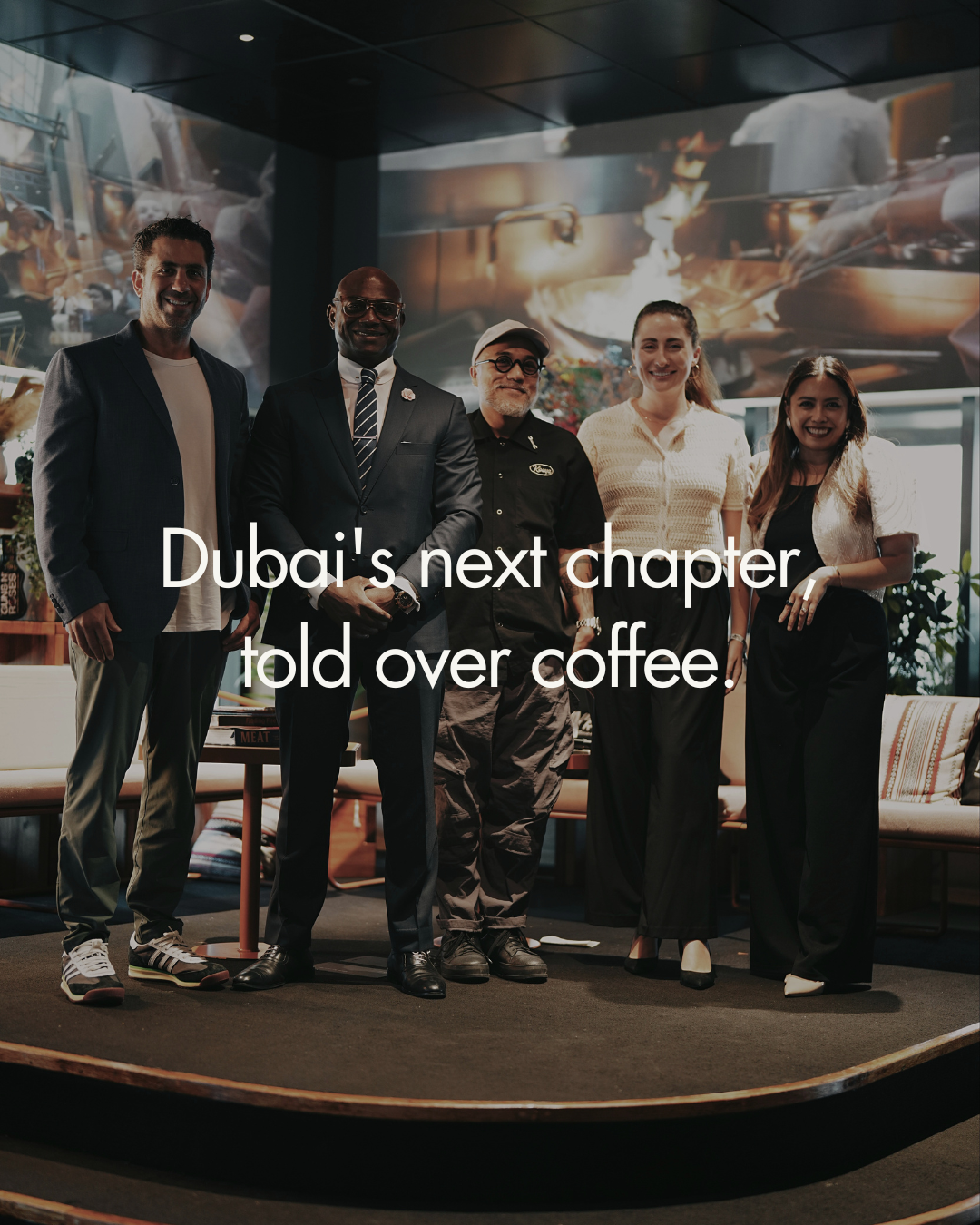
I have been covering the coffee scene in Dubai long enough to know when a room has the right energy. Coffee Break Vol. 2 had it from the first minute you walk into Time Out Market Dubai.
New event location, jointly hosted with Mokha 1450, and the panel Zeena assembled this time around brought a different mix of perspectives into the room.
Vol. 1 was about the industry. Supply chains, rising costs, green coffee prices, what operators were doing to survive. Vol. 2 was wider than that. It was about the city, about what Dubai is becoming, who is building it, and whether the version of it that is taking shape right now is one that will last.
Same format. Different conversation entirely.
Zeena put it well in her post, “the best business conversations are usually the ones that aren't rehearsed.“ There was no script. Just a room, a panel, and people speaking from experience.
The Panel:
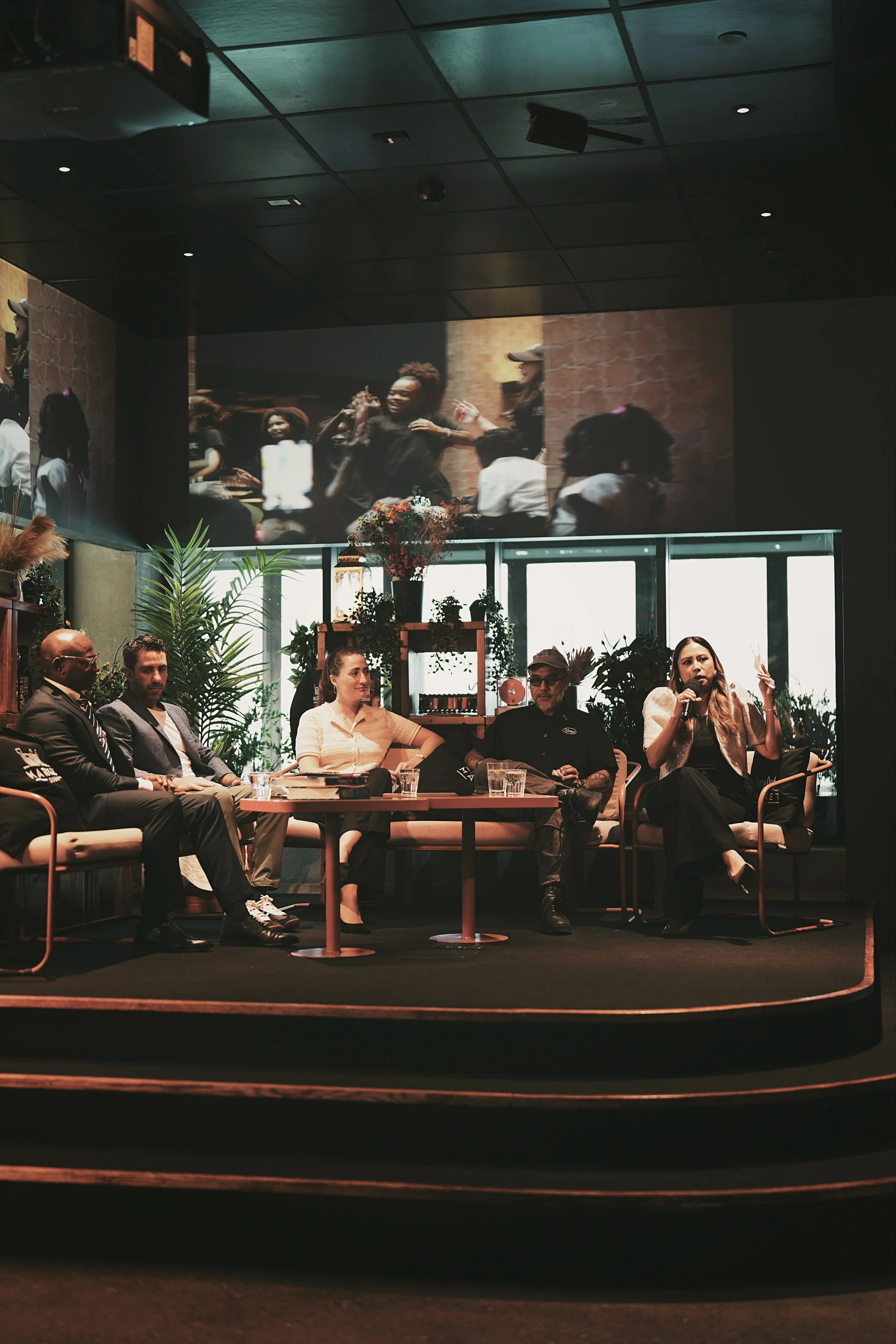
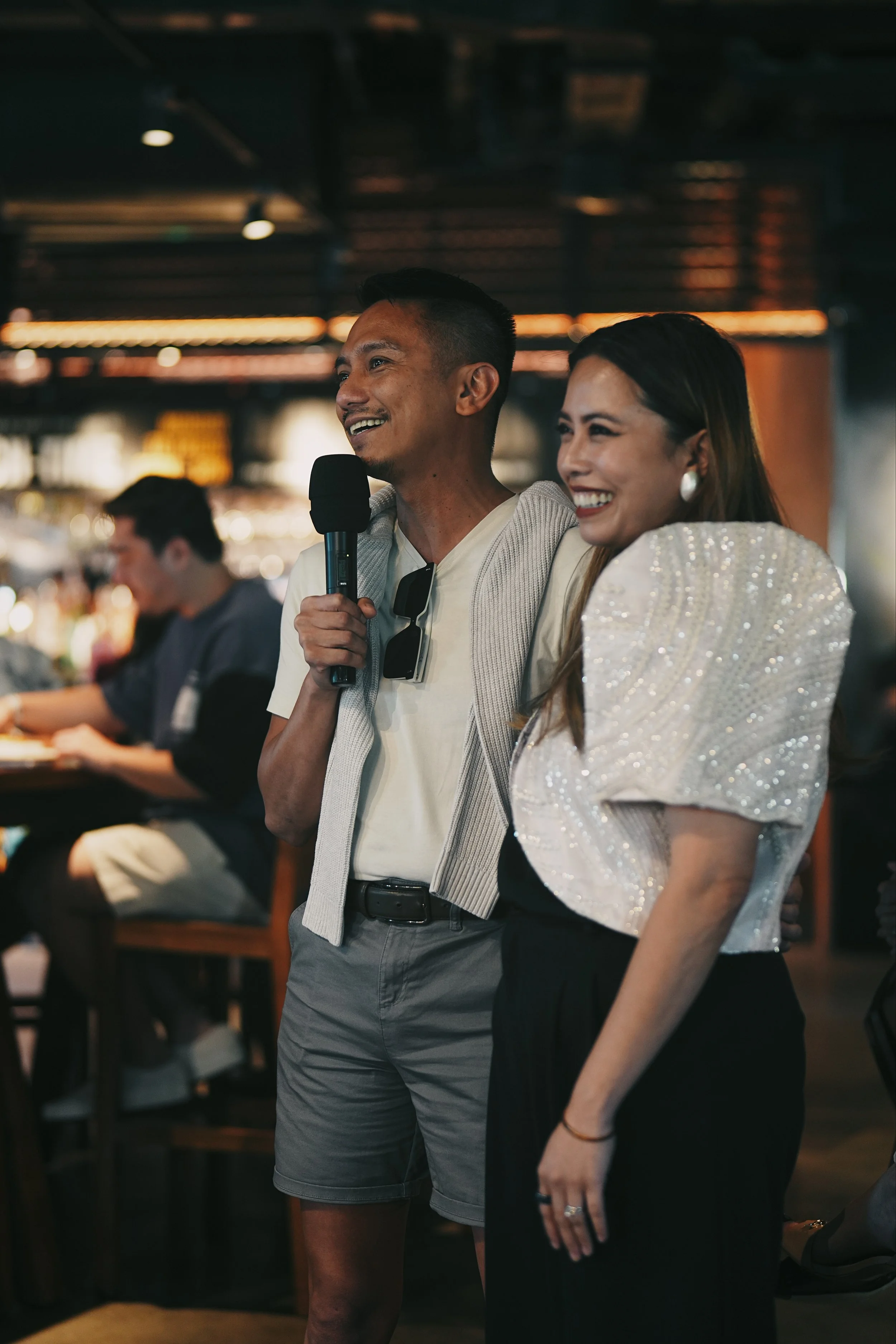
Zeena Zalamea, broadcaster, producer, and entrepreneur. The moderator who runs this format exactly as it should be run and asks the question everyone is thinking.
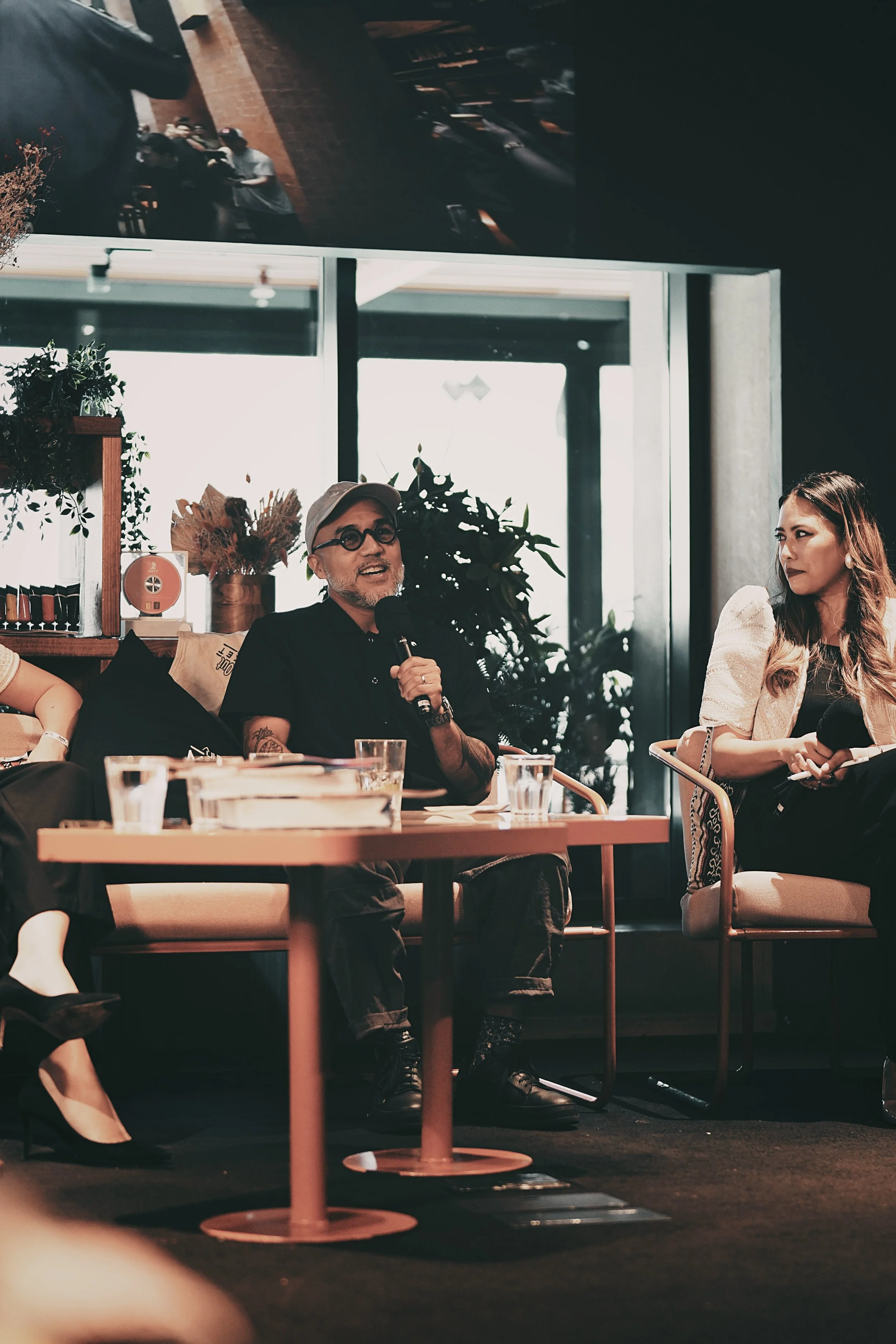
Garfield Kerr, CEO of Mokha 1450 and Former President of the Specialty Coffee Association. Back for Vol. 2, and still the most quotable person in the room.
Alexandra Venison, journalist and founder of Beautilist. The wellness lens in the room, and someone who thinks about storytelling as a form of care.
JP Anglo, founder of Kooya and Filipino food advocate. Proof that a single restaurant can carry a culture and a conversation at the same time.
Ziad Kamel, founder and CEO of Rosy Hospitality, CQ French Brasserie, Girl & the Goose, Butter by the Dozen. Operator's instinct, builder's patience, and someone who has been doing this longer than most people in Dubai have been here.
To understand the conversation, you need to understand the moment it was happening in.
Dubai had just come through an extended period of tension in the region. The kind where alarms go off and people do not know what to do with themselves, and the international media is publishing headlines that have almost no relationship to what is actually happening on the ground.
Even then, the city kept moving, restaurants stayed open, and in most cases, the community showed up.
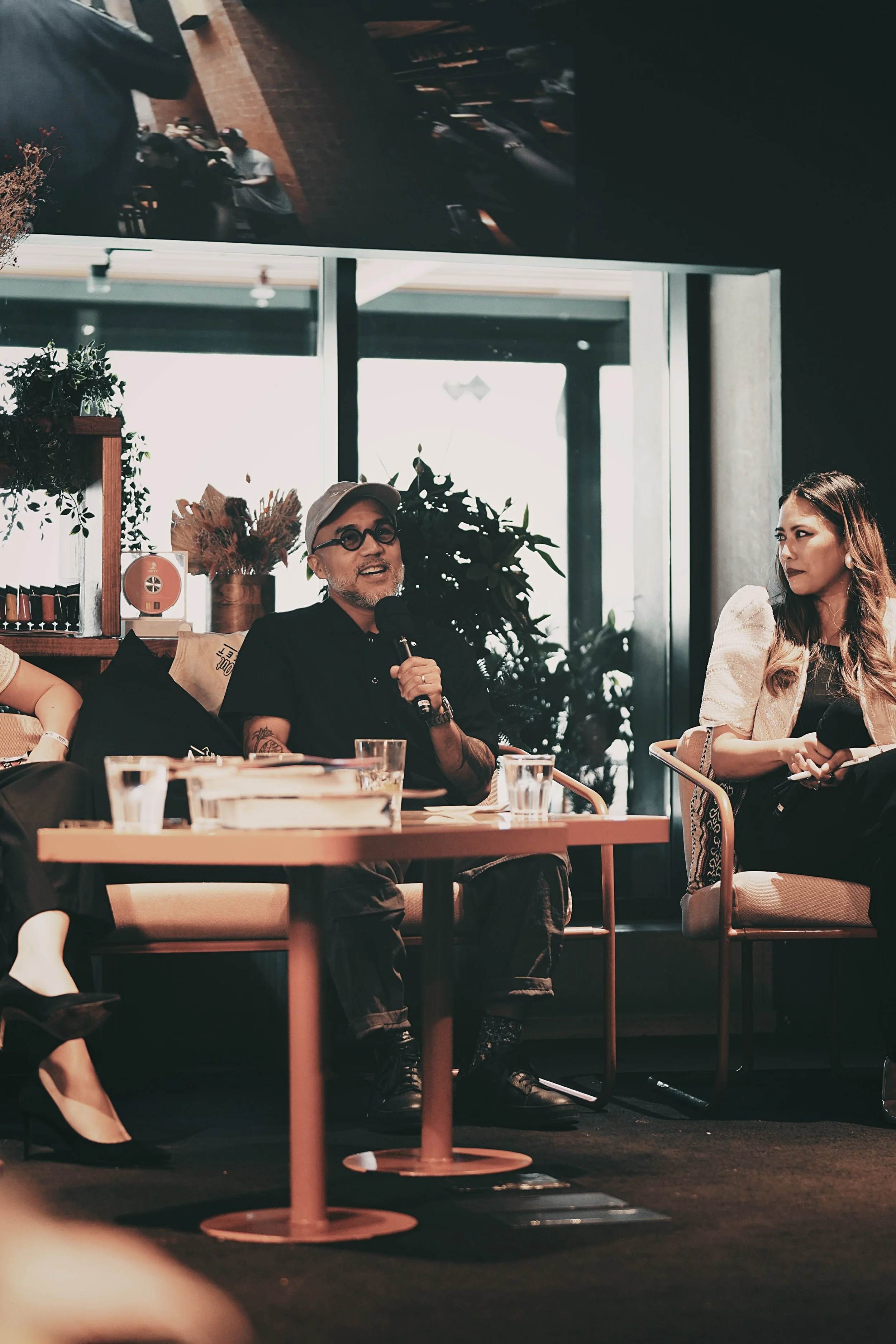
The Community Showed Up
This was the thread that ran through almost every exchange in the session.
Ziad said it most directly. When he moved to Dubai years ago, there was no community. Just a collection of people from different places who were here temporarily, trying to extract what they could before moving on. What the last few months had done was accelerate something that was already changing.
People feel like Dubai is home now, not just a posting or a career move.
You can see it in the restaurants that do not rely on tourists or corporate expense accounts, but the independent neighborhood spots. He said they never closed a single day, never delayed a single salary, and worked harder than usual to make sure their restaurants felt like places of escape. What he described, and what Jennifer's data showed in Vol. 1, lines up exactly: community-embedded businesses are holding.
The fine dining picture is a different story, and that pattern is continuing. But the places people feel attached to, the ones that are priced for residents, know their regulars, and built a local identity are doing better than anyone expected.
Adaptive Leadership
This is a concept Garfield introduced that I kept thinking about after the event.
He was referring to research that came out of global conversations post-COVID about what leadership style works when there is no playbook. The answer they landed on is that the leaders who thrive in genuine uncertainty are the ones who expect the unexpected without being rattled by it. They use creativity and innovation to keep moving, and they empower others to do the same.
He was careful to add that adaptive leadership without adequate financing is not enough. Cash is still king. But the mindset has to come first, because without it, no amount of cash keeps you from making the wrong decisions under pressure.
JP put a version of the same idea more simply. His dad told him: do your best and the money will follow. Right now, there might not be much. But you keep doing your best, you keep taking care of people, and when it rains, it pours.
That is not being naive. That is what discipline and belief are capable of, and JP is a live example of that.
The Line That Stayed With Me
Ziad was asked about big decisions. The ones that cost something real.
He talked about moving to Dubai in 2014, walking away from a business in Lebanon for nothing. Handing over post-dated cheques to secure the CQ location with no capital raise in place. Exiting a brand he had built for 17 years because that relationship had run its course.
He said something I wrote down immediately.
"The best decisions in life are always the hard ones. You have to take them and keep moving."
Then there was a Ratan Tata quote Zeena dropped in at that point: "I don't make the right decisions. I make decisions and make them right." It is the recognition that waiting for certainty is a decision in itself, and it almost never moves you forward.
Kindness as Strategy
JP talked about his contractor sending a message asking when he was going to be paid. His response was to acknowledge the situation honestly, remind them they were in the same position, and figure out a way through it together.
Garfield's framing was clean: "Cash is king to surviving as a business. Kindness is king to surviving as a human."
In a city being rebuilt by a community that has just been through something difficult together, those are not contradictory ideas. They are the same idea.
The Wellness Conversation
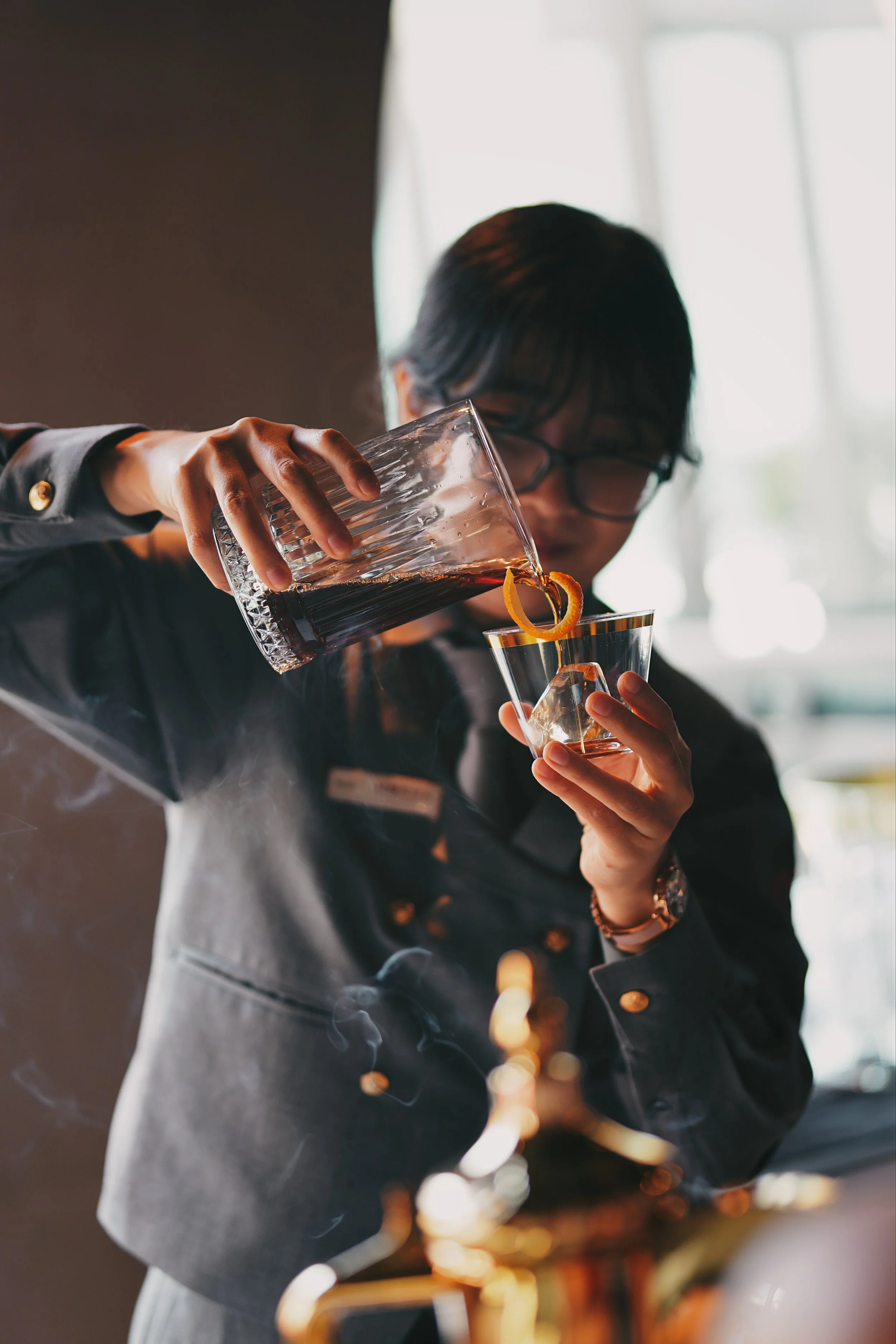
Alexandra brought something into the room that these kinds of events often skip past: how people are actually feeling.
Her platform, Beautilist, sits at the intersection of health, wellness, and community storytelling. She talked about how, when the conflict started, they stopped their editorial calendar and focused entirely on what their readers needed. Not because it was good strategy, but because it was the right thing to do.
She made a point about how different everyone's experience was depending on where in the city they were living. Someone in a high-rise managing through alarm alerts with children has a completely different experience from someone in a quieter part of the city. That gap matters for anyone trying to build community or content across a city this diverse.
Her note to the room: "Find out what makes your life beautiful. When things feel overwhelming, that is still the question worth asking."
What Dubai Is Actually Becoming
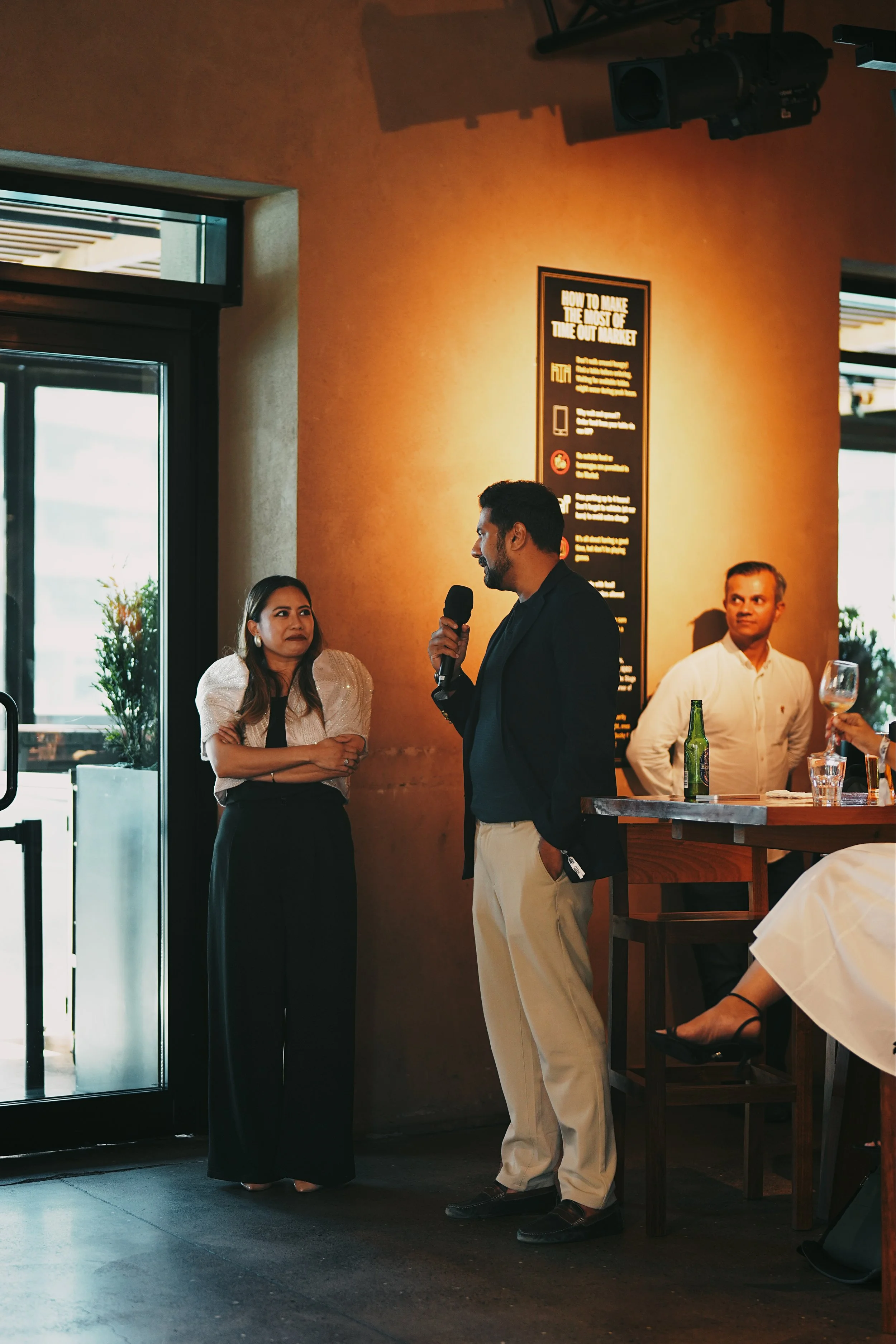
Ziad pushed back on the idea that the city is being reshaped. His view was that it was already moving in this direction before the conflict. Independent businesses were already gaining ground. When the conflict took place, the trend accelerated and residents started being clearer about where they actually wanted to spend their time and money.
His other point was about pricing philosophy. Independent businesses in Dubai tend to ask a different question than global franchise operators. They ask: what is the least we can charge and still run a viable business? Global brands tend to ask the opposite. That difference shows up in how residents feel about them, and it shows up in the numbers.
Garfield closed with something that has been consistent across both Coffee Break events. Mokha 1450 is not a loud brand and does not chase noise. They are focused on delivering an experience that leaves someone wanting to come back. He used the phrase "Michelin-level," but was clear he did not mean performative. He meant cohesive, considered, complete from start to finish.
You read it here first, and it raised some eyebrows including mine. He said they are in the process of burning down Mokha 1450 and building something new.
What that looks like, we will find out soon enough.
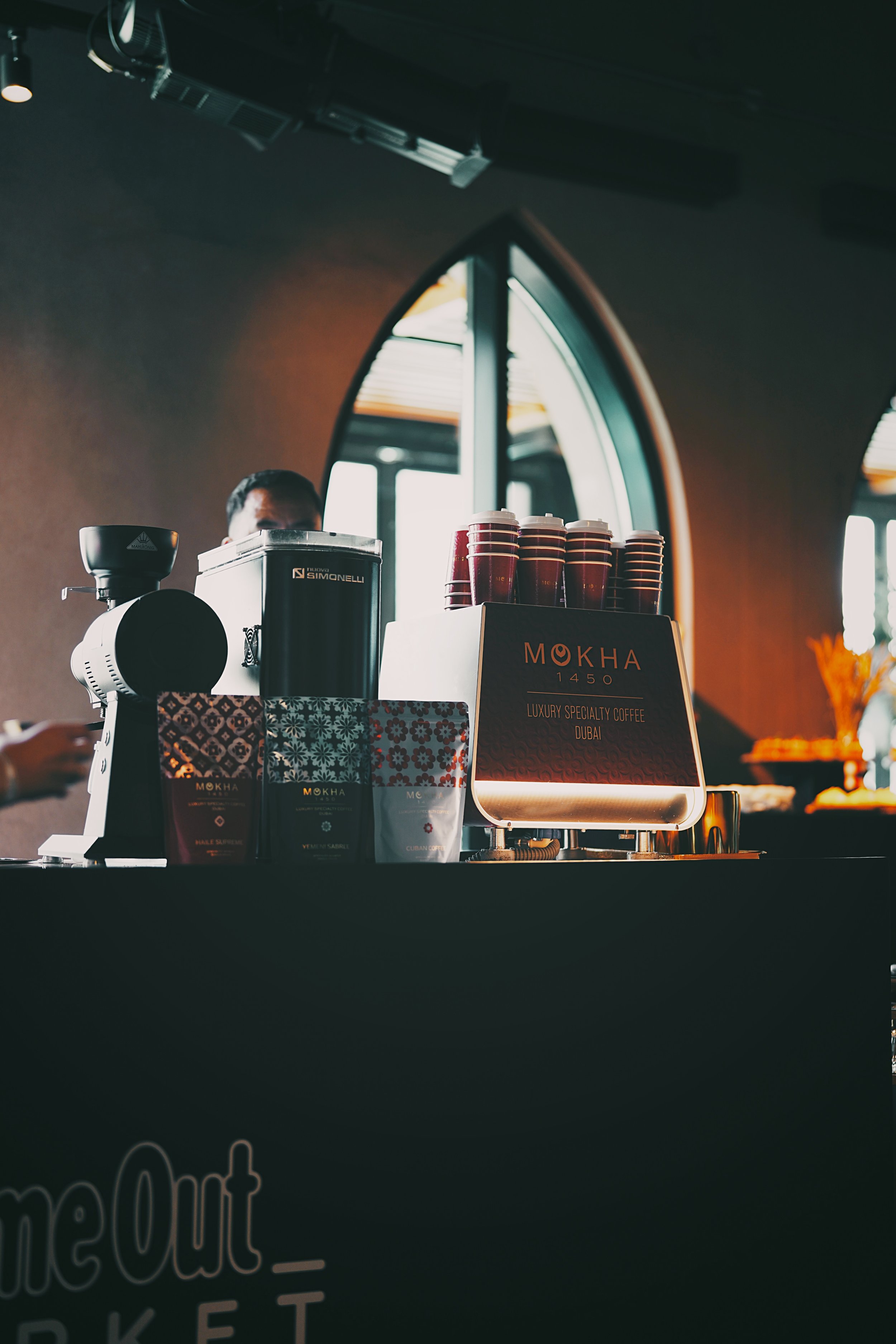
The thing about Coffee Break that I think is worth saying clearly: most industry events are not like this.
Most of them are careful. They celebrate what is working and step around what is not. This format does not do that. The panel sat with the difficulty, talked honestly about big decisions and what it actually costs to survive, and gave the room something they could take home.
Vol. 1 was about the industry. Vol. 2 was about the city. If there is a Vol. 3, which is already in the works, it should be about what comes next. Because based on the conversations in that room, there are a lot of people here building toward something, and they are not waiting for the right conditions to do it.